

By Kunal Purohit
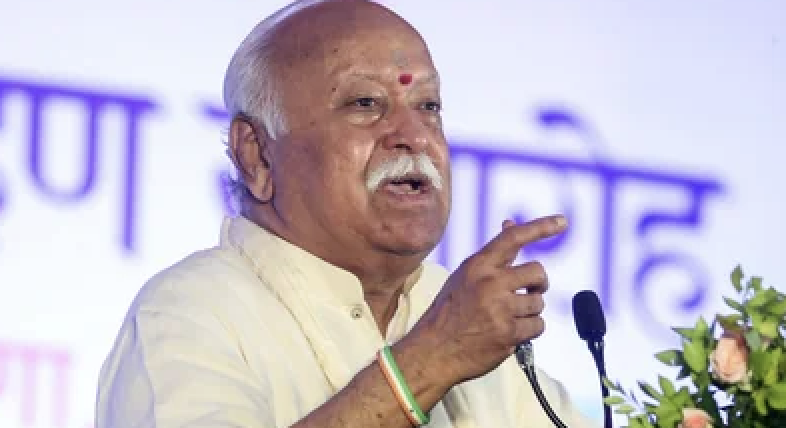
Mumbai: Last month, a day after Karnataka home minister Priyank Kharge wrote to the Rashtriya Swayamsevak Sangh (RSS) chief Mohan Bhagwat to “register itself”, Bhagwat mounted his defence.
“There are so many unregistered things going on…the Hindu religion is not registered, many things are not registered,” he said at an event in Kerala the day after.
Turns out, Bhagwat was being economical with the truth.
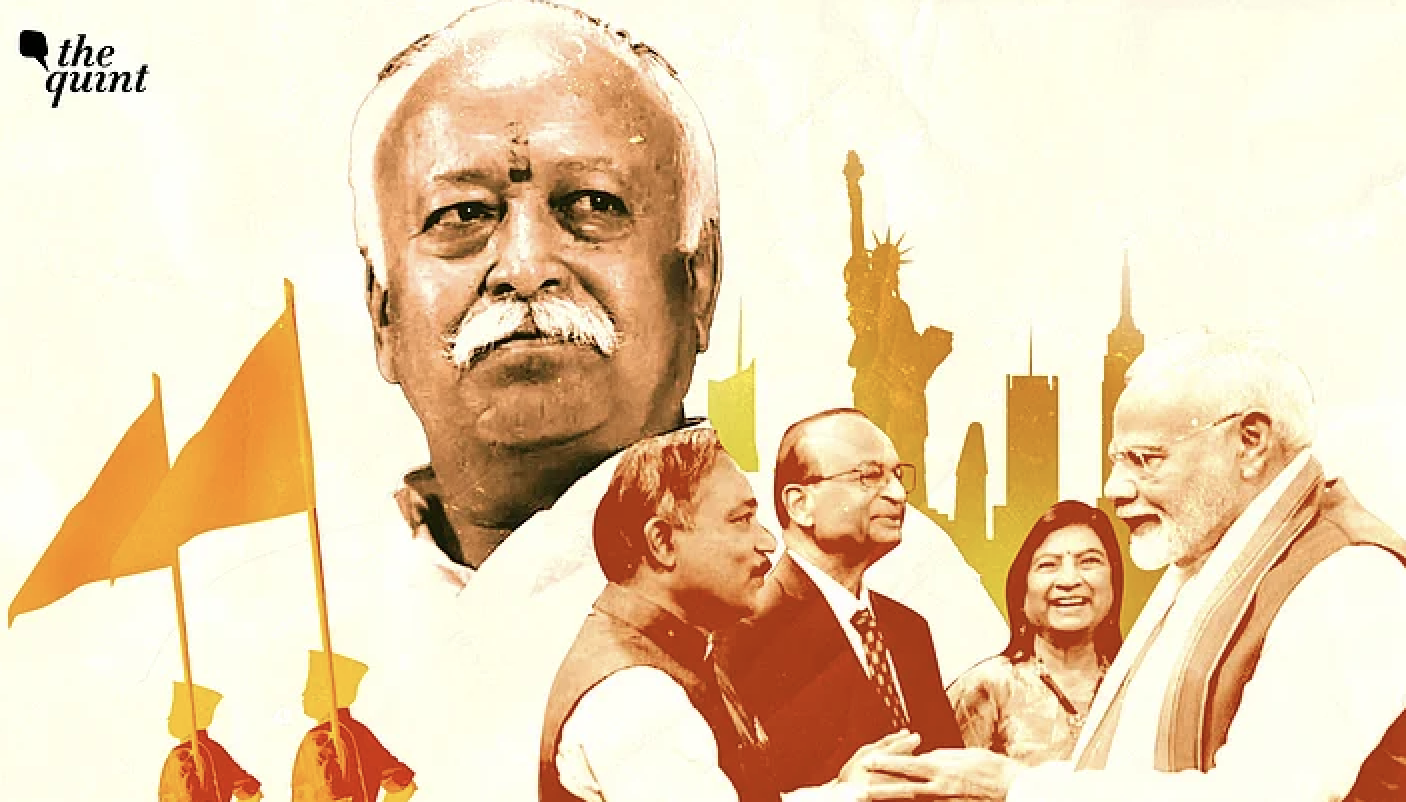
The Wire, using data collated by ‘Seeing The Sangh’, the first-ever data set that maps the Sangh and its affiliates globally, has found a contradiction in Bhagwat’s statement. While the RSS has refused to register, it has silently got most of its global affiliates to do so. That means that while RSS affiliates have subjected themselves to the laws of many jurisdictions here and abroad, their parent body refuses to do so in India. There has been no explanation for why its standards for registration differ across national boundaries and organisations.
The dataset, housed by the CERI-Sciences Po in Paris and published and hosted by The Caravan magazine, found that the Sangh’s network spans 38 countries outside India, and includes 2,502 distinct organisations in these countries, all of whom bear allegiance to and were “tightly networked parts of one large entity” – the RSS.
But an analysis of the dataset by The Wire found that over two-thirds of the Sangh’s affiliates outside India are registered, adhering to foreign laws and policies around such outfits.
Of the total 2,502 RSS-affiliated outfits that the dataset mapped in India and abroad, only 747 were unregistered, which means that over 70% of the outfits chose to register themselves as per local laws.
But if India-based RSS affiliates were to be kept out, the number rises to over 79%. This, in effect, means that nearly eight out of 10 RSS global affiliates chose to register, and submit to regulations that govern their functioning, even though the RSS being the parent organisation refuses to submit itself to such rules.
This story was originally published in thewire.in. Read the full story here.