


By Minal Saeed Khan
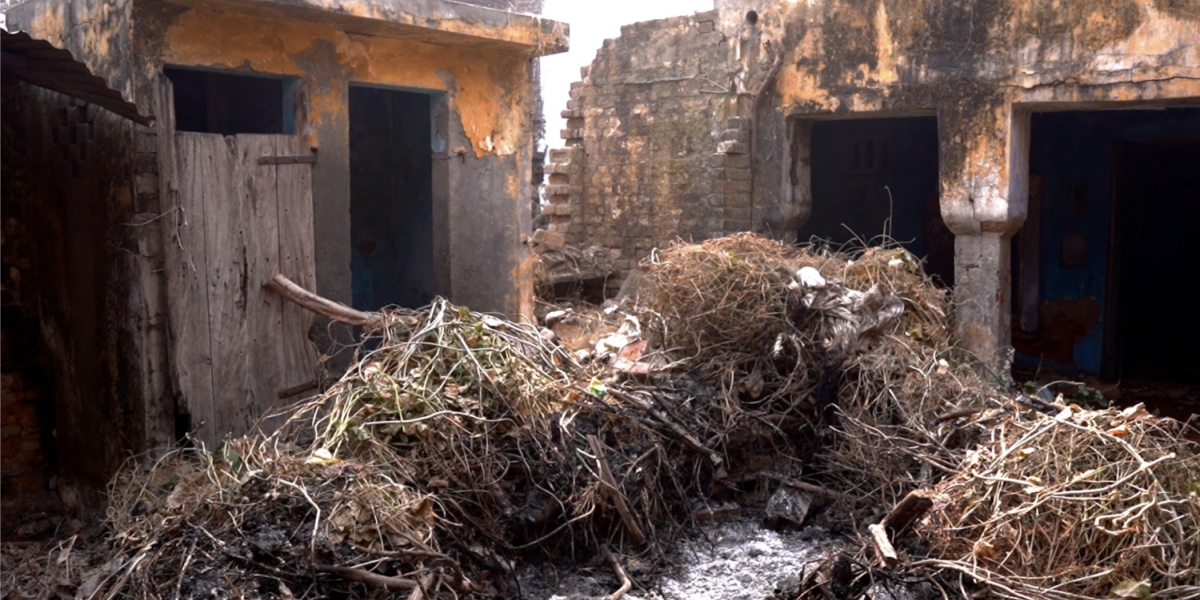
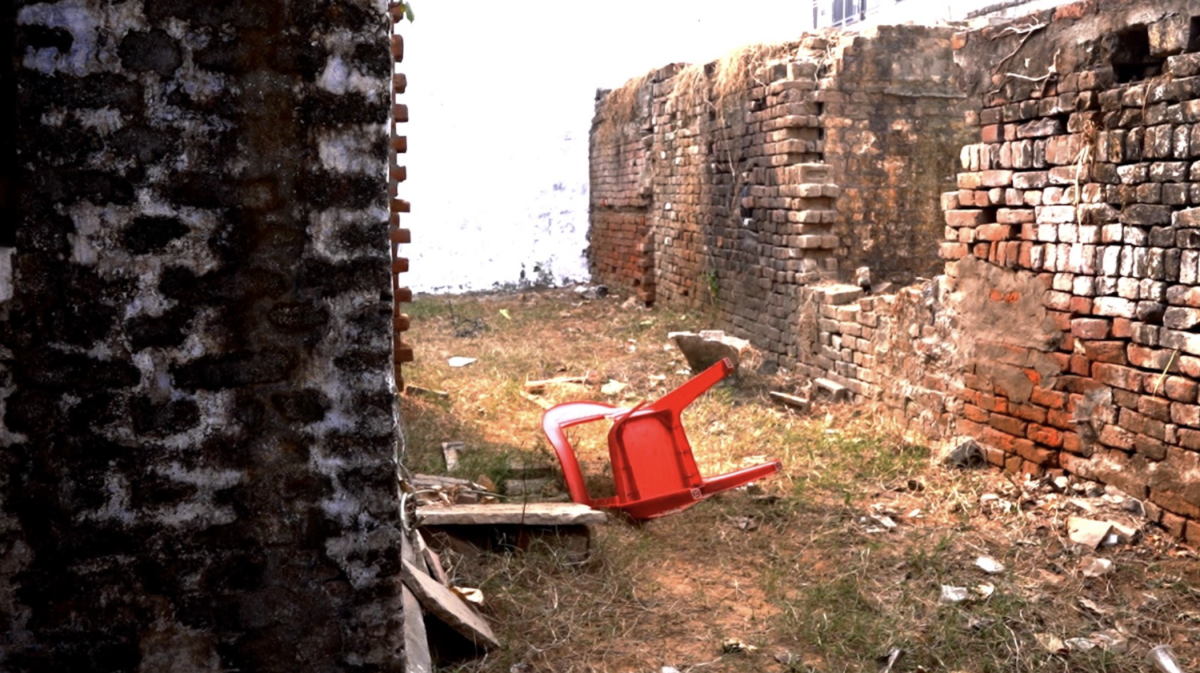
Dadri, Uttar Pradesh: Just 60 km away from the noisy and crowded national capital of Delhi lies the village of Bisada, where an unkempt and abandoned house has not seen a trace of light or laughter in 10 years. This is the house where, a decade ago, Mohammad Akhlaq lived with his family – before the rumour of cow slaughter led to his killing and left his son badly injured. He had already been beaten to death when an announcement was made from the neighbouring temple about the presence of beef in his refrigerator.
Akhlaq’s killing was one of the first reported instances of mob lynching in India, and it acted as a precursor for numerous such cases that have unfolded since 2015. Since Akhlaq’s killing, phrases like ‘cow vigilantism’ and ‘mob lynching’ were made common to the social, political and legal lexicon of the country as such crimes against minorities grew rampant.
Recently, the Adityanath-led BJP government in Uttar Pradesh has moved an application in the lower court under section 321 of the Code of Criminal Procedure to withdraw all the charges, including murder, against the 10 accused in the case.
Crucially, the application has also received a written approval from the governor of Uttar Pradesh.
This story was originally published in thewire.in. Read the full story here.