
By M R Shamshad
In the past few months, I have come across three final judgments of our constitutional courts: one by the Supreme Court of India and two by Division Benches of High Courts, against which the Supreme Court did not entertain appeals.
All of these, in my respectful view, seriously affect the fundamental freedom of religion and practice guaranteed to the Muslim community under the Constitution. Let me briefly put the facts of those cases.
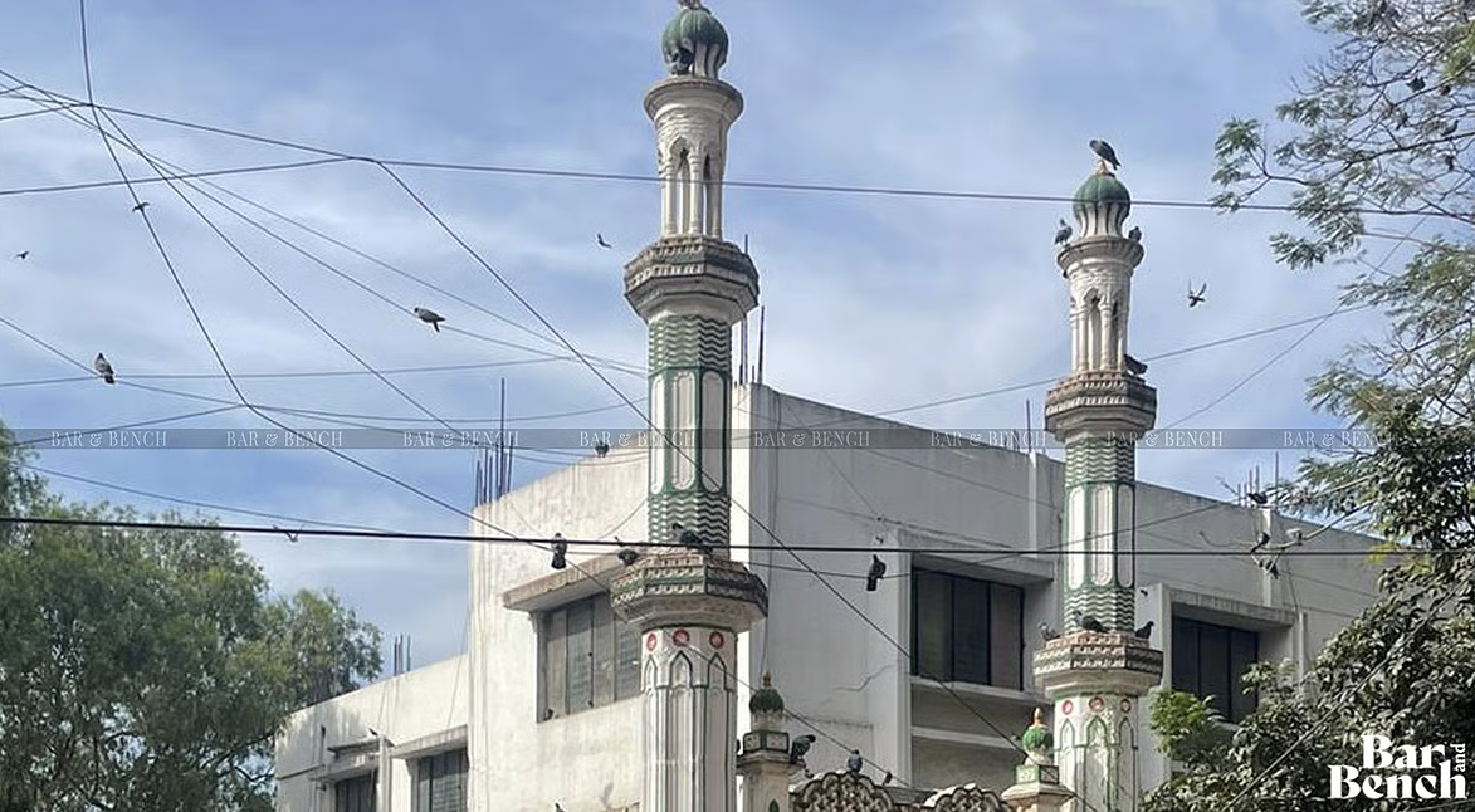
The first, a final order of the Supreme Court, is a cryptic and unreasoned order stating that “the structure existing in the form of a mosque, being sufficiently old, shall not be demolished,” but it “shall not be used by anyone for any religious purpose.” The Court also permitted the State to take action if anyone attempted to enter the mosque. Experience tells us how such liberty granted by the courts are used by the State mechanism. The result: an old mosque continues to be a mosque, but Muslims have been stopped from their religious practices, reducing a living religious space to a hollow monument.
The second, from the Madhya Pradesh High Court, is no less disturbing. A 200-year-old mosque, duly notified as waqf property in 1985, was demolished by the State on January 11, 2025. The State justified its action on the ground that the land was required for expanding the parking facilities of the Mahakal (Temple) Lok Corridor, Ujjain. It claimed to have followed due procedure of land acquisition by paying compensation to the residents of “Masjid Colony,” who in fact were not the owners of the land. Shockingly, this demolition took place even while a suit concerning the property was pending, as reflected in the High Court order.
To defend its action, the State relied on a 1978 Allahabad High Court judgment to argue that Muslims could offer namaz elsewhere, even at home, and that the loss of one mosque does not infringe the constitutional guarantee under Article 25. What kind of argument is this? Can the State demolish a notified waqf property and then tell the namazi to go to alternative spaces for prayer? Even more shockingly, the High Court placed its judicial stamp of approval on this reasoning, dismissing petitions filed by those who had regularly offered namaz there. Thereafter, the Supreme Court also confirmed the view taken by the High Court.
This story was originally published in barandbench.com. Read the full story here.