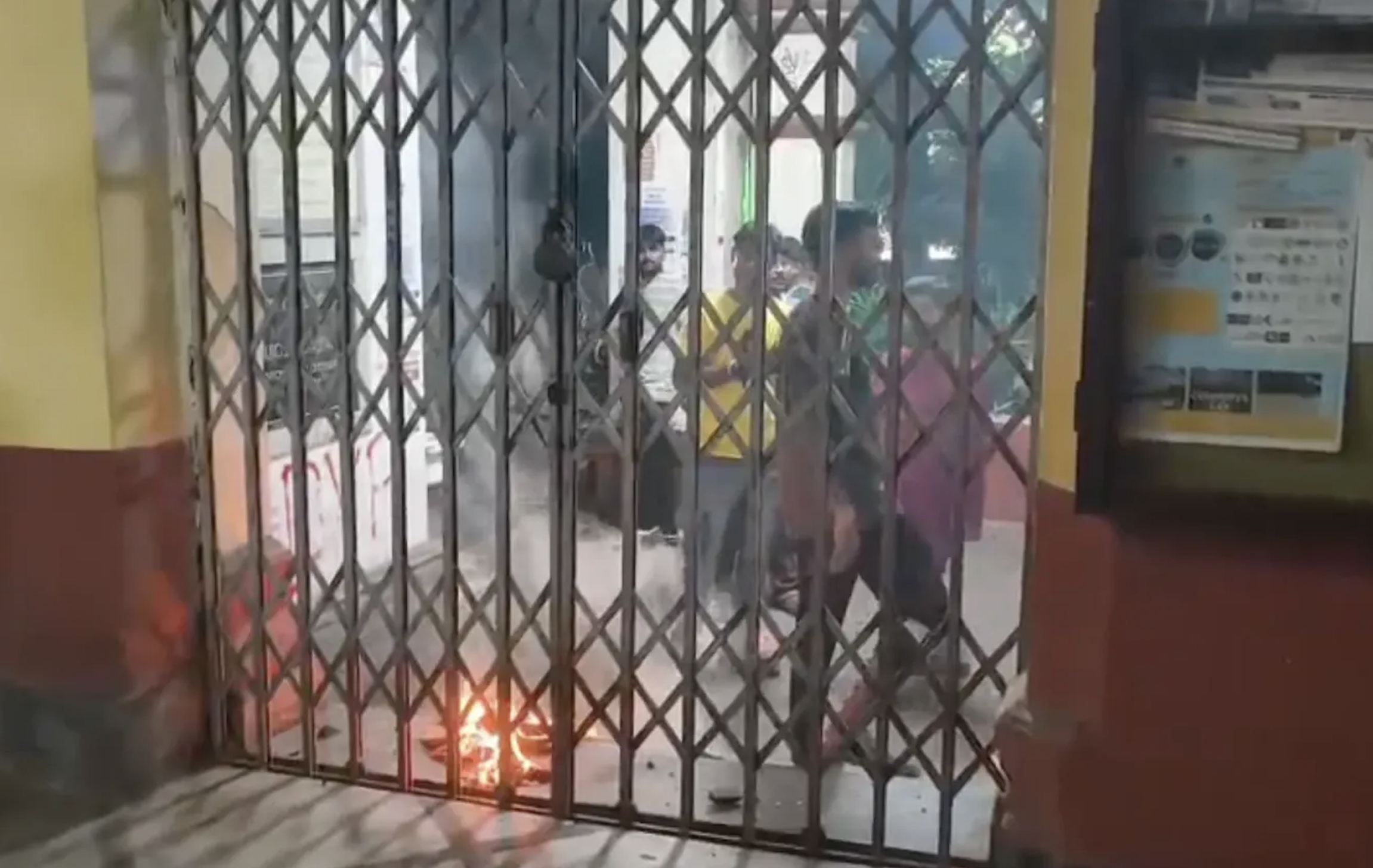

It was around midnight on Christmas Day in 2023, when 23-year-old Dipankar Gogoi was dropped home by police officials.
For the past few days, it had become a grim routine – the police would pick Dipankar up every morning from his house in Garukuri Birina Sayek, a remote village in Titabor division of Jorhat district in Assam, and he’d be brought back at night.
But that night was different, said his mother Dipti Gogoi.
“He was limping when he entered the house,” she said. “He was in terrible pain. I served him rice and dal but he couldn’t eat. He just cried and cried.”
Dipti finally went to sleep. She would never see her son alive again.
In the morning, Dipankar was missing from his bed. Hours later, his body was found hanging from a tree a few metres from his home. The night before his death, he showed his mother bruises that peppered his body. His family said the police were pressuring him to “confess” that he had carried out a grenade attack a few days before. He insisted he hadn’t done it.
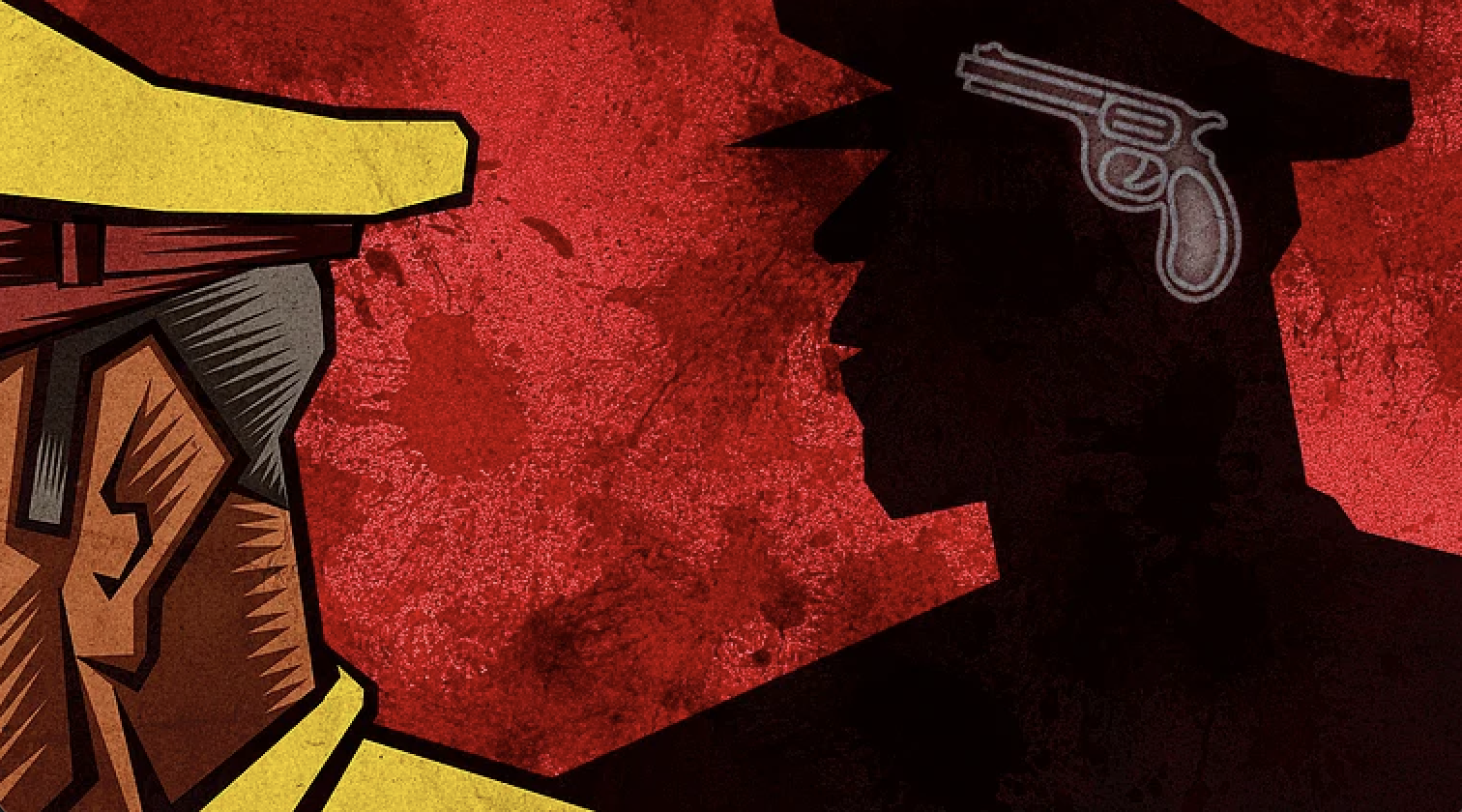
One of the last things he told his mother was, “The Superintendent of Police pointed a gun at me today. He said if I don’t confess to the Jorhat blast, he will shoot me tomorrow.”
The Assam government said in February that 34 people had “died” and 131 “injured” in police custody since May 2021. Dipankar is one of them. But the state has seen zero convictions so far in all these cases, despite families attempting to pursue both criminal and judicial cases.
This story was originally published in newslaundry.com. Read the full story here.