
By Guest Author
Ahsaan Ali & Urvat il Wuska
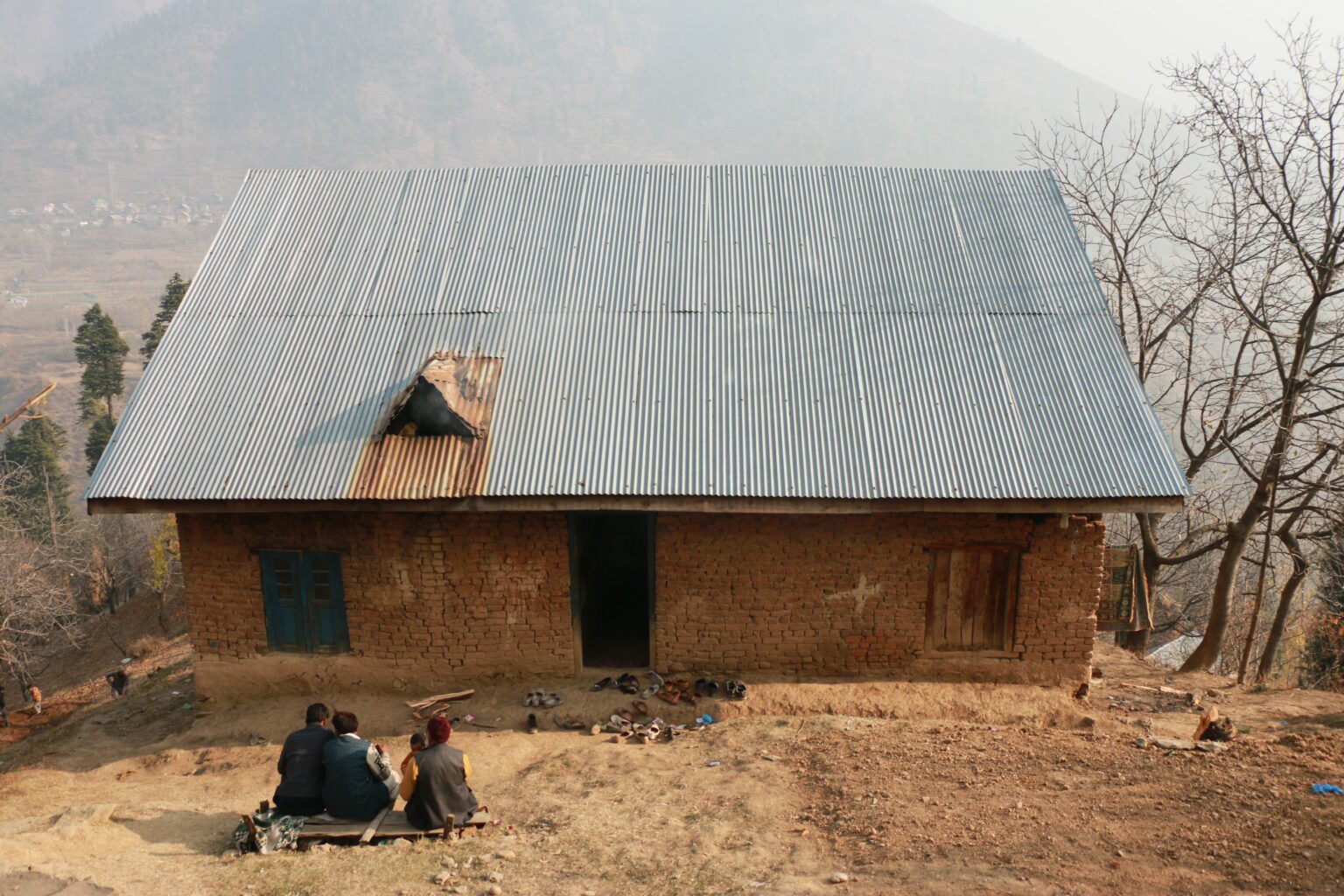
A heavy silence hangs over the Sangoo household in Baba Nagri, a town in Kashmir’s Ganderbal. Weeks after 28-year-old Bilal Ahmad Sangoo returned home in a coffin, the family remains engulfed in grief and uncertainty, with no compensation or official support in sight.
Bilal, a migrant labourer who had worked in Delhi for the past six years, was among the people killed in the November 10 Red Fort blast.
Born into a marginalised Gujjar Muslim family, Bilal had been the only breadwinner. “He always dreamed of lifting us from poverty through his hard work,” said his elderly father, Ghulam Hassan Sangoo. “Since Bilal left us, our home feels empty. We stand alone in our grief, with no support and still no compensation.”
Inside their modest mud-plastered room, Bilal’s mother sits silently, her hands trembling. “She is still in shock,” her husband told Maktoob. “We didn’t tell her at first, but when people gathered outside, she understood on her own.”
Neighbours say Bilal’s income held the entire family together. “Now his parents and younger brothers face a future they cannot afford,” said neighbour Sadiq Ahmed.
Bilal’s father recalls the panic after the blast. “He used to call every day, but that day he didn’t. His phone was switched off.”
Three days passed with no news. “When the truth finally came, it wasn’t from any official,” he lamented. A blurry WhatsApp photo of Bilal’s body in a Delhi hospital reached his younger son. “No parent should hear of their child’s death like this.”
Family bore all expenses, even the coffin
This story was originally published in maktoobmedia.com. Read the full story here.