
by Maktoob Staff
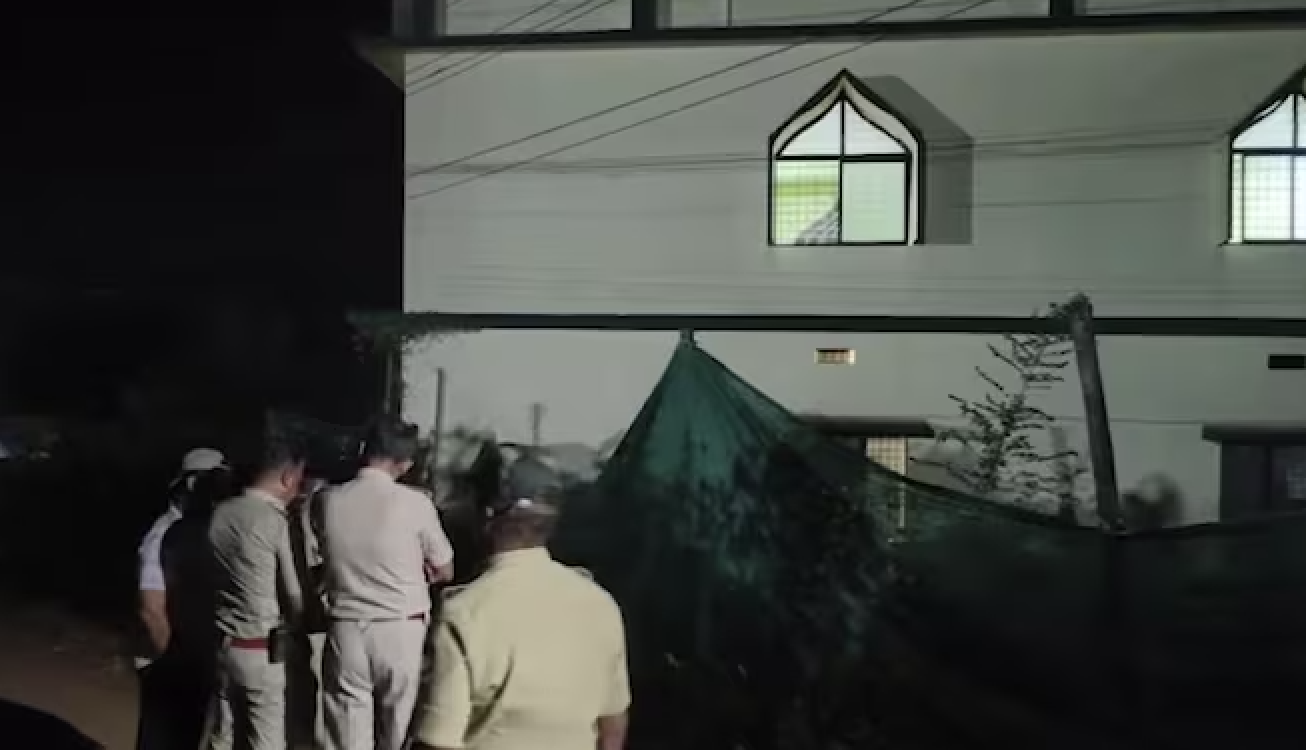
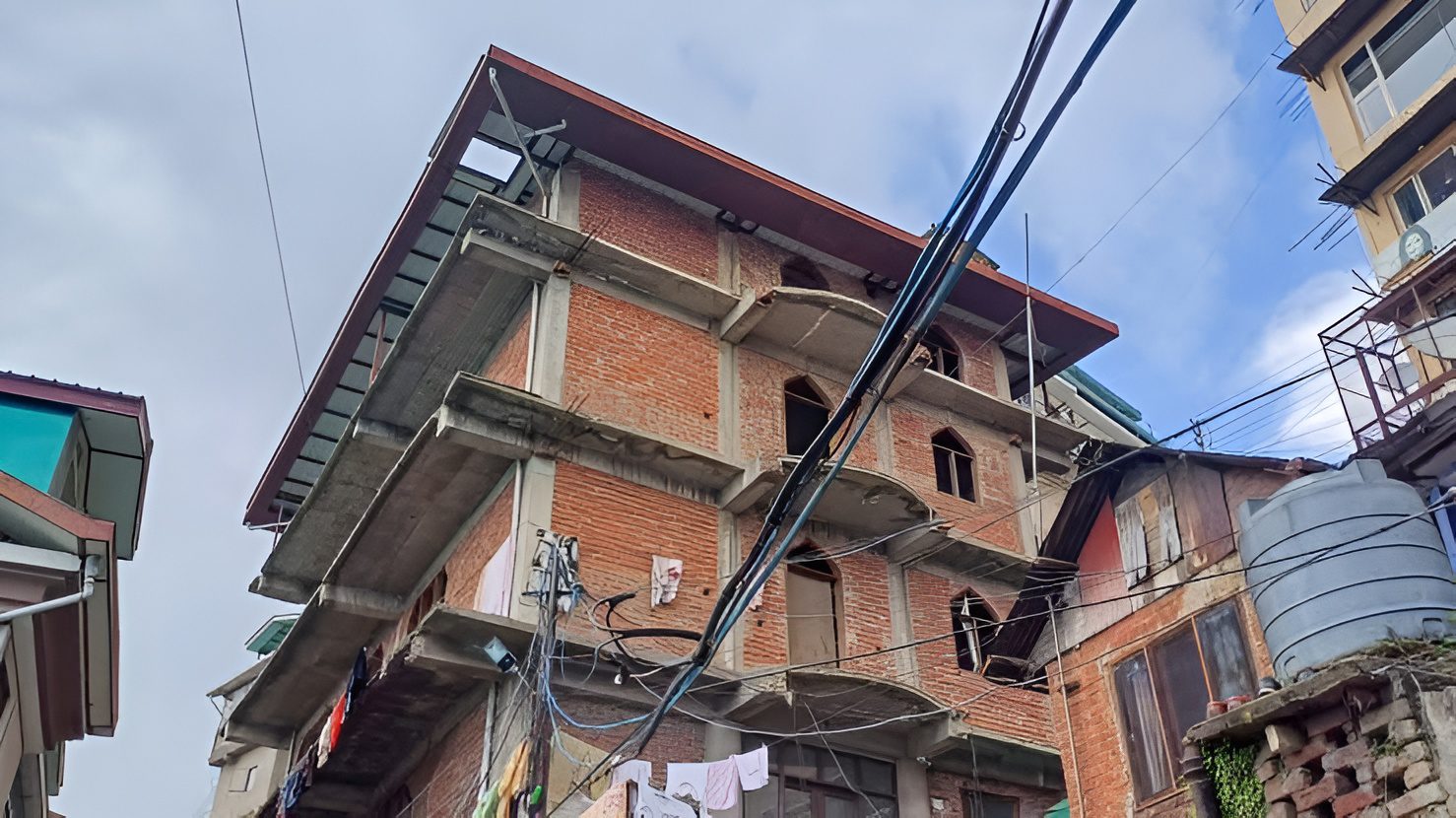
While members of the Dev Bhoomi Sangharsh Samiti continued their hunger strike for the tenth consecutive day demanding the demolition of the Sanjauli mosque in Shimla’s suburbs, the Himachal Pradesh Waqf Board on Friday approached the High Court challenging the district court’s order that declared the shrine “unauthorised.”
The dispute stems from an October 30 order in which the district court upheld the Shimla Municipal Commissioner Court’s earlier decision to demolish the mosque, terming the structure unauthorised and directing that it be removed by December 30.
In response, the Samiti has been pressing for the mosque’s immediate sealing and disconnection of water and electricity supplies while staging a sustained hunger strike.
Members of the Hindu extremist organistans Dev Bhoomi Sangharsh Samiti and Hindu Raksha Manch held protest, a hunger strike and boycotted the Muslim shops to drive them out of Shimla Sanjauli. They cited a court order that states the Sanjauli mosque as illegal… pic.twitter.com/wnFASJguxx— Hira Waheed (Follow Back) (@hirawaheed93) November 27, 2025
The Waqf Board has now filed a petition in the High Court challenging both the municipal commissioner’s and the district court’s orders. The High Court will decide on Monday whether the petition is maintainable.
Samiti members had warned Muslims in the area not to visit the mosque for Friday prayers. Despite the tense atmosphere, a few devotees did offer namaz, and no untoward incident was reported.
The members performed a “shashtra pooja” in Sanjauli at the site of the protest, sending a message that they will not hesitate from using weapons.
Vijay Sharma, co-convenor of the Samiti, said they are awaiting a November 29 meeting with the administration before deciding their next course of action. If the talks fail, he warned, the agitation would be intensified.
He termed the offering of prayers at a structure declared illegal as “unfortunate” and accused a few devotees of “provoking tensions,” while thanking the “majority” for cooperating.
According to a 2024 detailed report by Sabrang India, the Sanjauli mosque stands on legitimate waqf land donated in 1940, long before the Waqf Act was enacted in India. Sanjauli, a busy market area adjacent to Shimla, received this land as a charitable endowment. The donation document from 1940, written in Urdu, still exists.
The report explains that “waqf” is equivalent to “dharma” or “daan” in Hindu traditions, a form of permanent charitable endowment. Just as donated Hindu religious land cannot be reclaimed or sold, waqf land too cannot be privately claimed, and a mosque can only be built on such community-owned land.
When India passed the Waqf Act in 1954, all Muslim community waqf properties, including mosques, madrasas, cemeteries, and rest houses, were legally transferred to the jurisdiction of the Waqf Board.
Government documents from 1954 reportedly confirm that the Sanjauli mosque land is officially recognised as Waqf Board property.
The mosque also includes a hall built above the main structure to host travellers, since Muslims from surrounding areas often stay there.
The previous BJP government had even allocated ₹12 lakh from the state exchequer for this construction, according to the report.
The latest fact-finding report from the Association for Protection of Civil Rights (APCR), titled “Creating the Muslim Outsider: Hate Speech, Migrant Vulnerability, and Faltering Law & Order in Himachal Pradesh,”
For decades, there was no controversy over the Sanjauli mosque. However, the situation changed abruptly when a group began alleging that the structure was illegal and demanded its demolition.
In September 2024, communal tensions escalated in Himachal Pradesh after the Vishva Hindu Parishad and other right-wing groups called for the demolition of Sanjauli mosque. During protests and rallies on September 11, right-wing demonstrators chanted Islamophobic slogans and used derogatory slurs against Muslims, further inflaming public sentiment. The demonstrations deepened community divisions and created a climate of fear and insecurity among local Muslims.
This story was originally published in maktoobmedia.com. Read the full story here.