
By Betwa Sharma
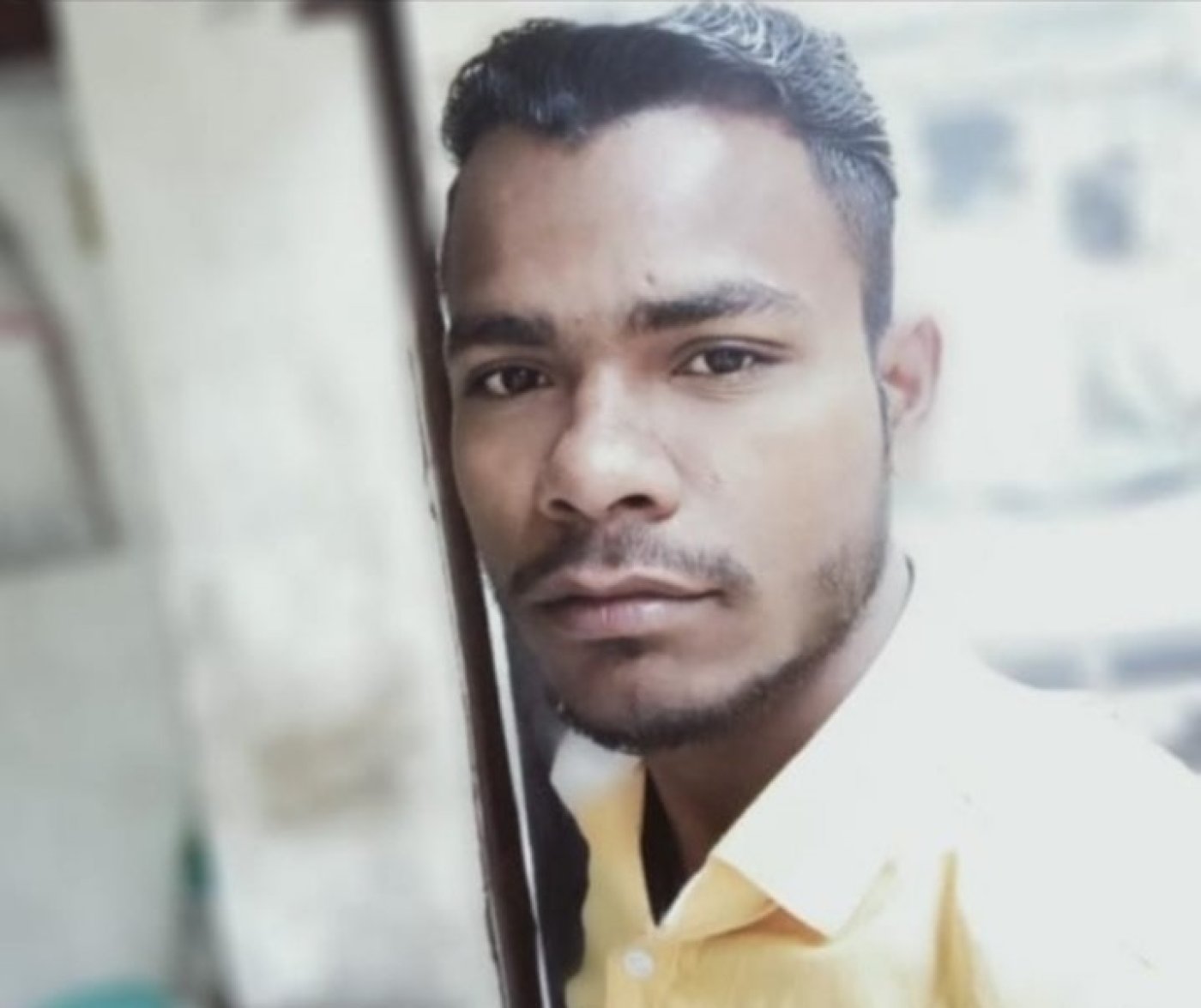
Delhi: “There were many people. You can see many people in the video,” said Shazia on learning that two police personnel were being prosecuted six years after her brother was killed during the communal riots in Delhi in February 2020.
Nadeem, Faizan’s brother, had a similar reaction: “This is not right. It is wrong. There were more policemen. You can see them in the video.”
Kismatun, Faizan’s mother, said, “Why only two policemen? They must catch them all. I have not been well. There is a lot of pain in my heart. The shock has been too much to bear. If they catch them all before I die, then I can go with some peace.”
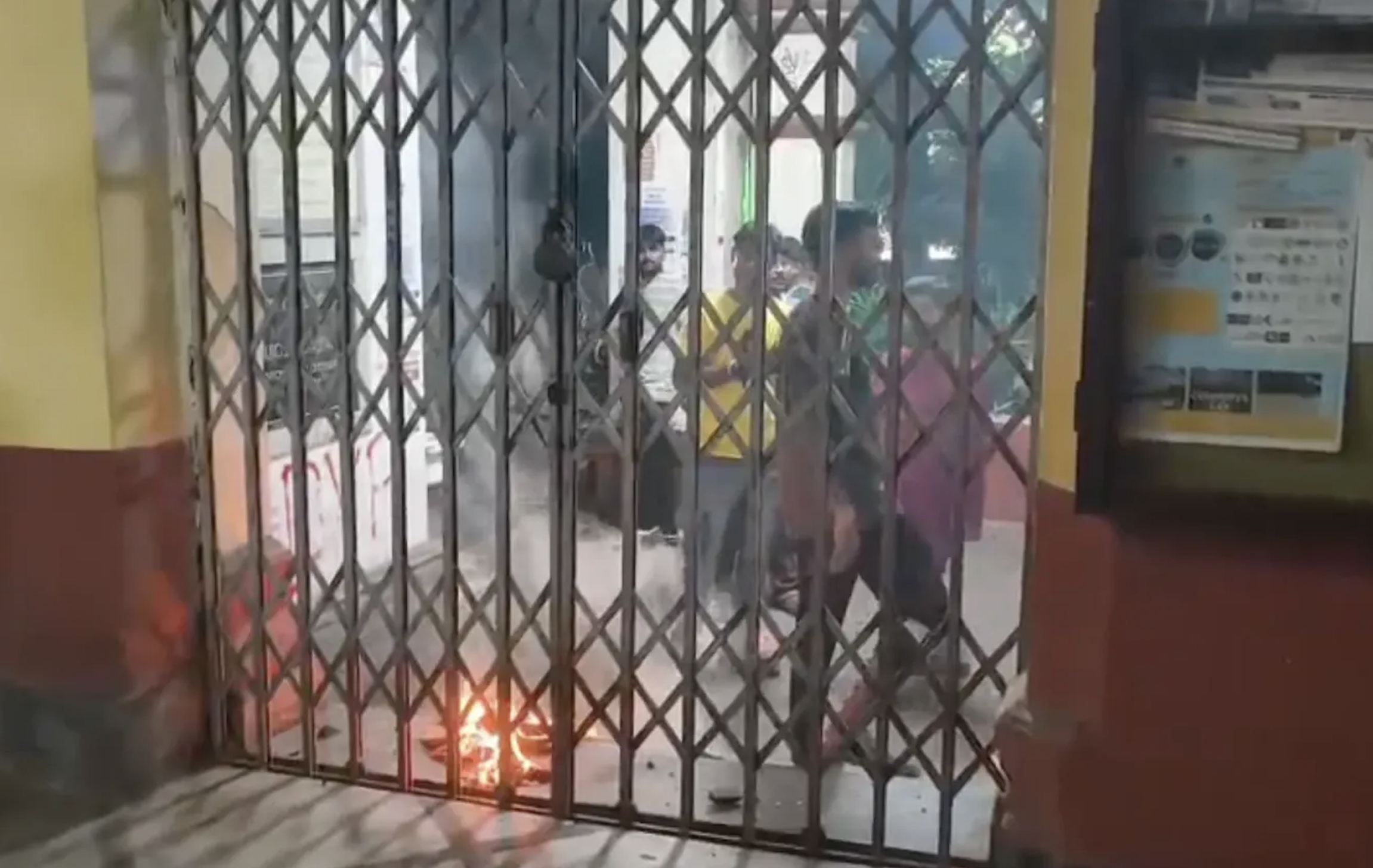
The riots that erupted in low-income neighbourhoods of northeast Delhi from 23 to 25 February 2020 left 53 people dead, the vast majority of them Muslims, amid a Muslim-led protest against the controversial Citizenship Amendment Act (CAA), 2019.
Rioters did not kill Faizan.
His death was a direct consequence of police violence, which also revealed a deep-seated anti-Muslim bias in the police force of the national capital.
Six years after the incident on 24 February 2020, widely known as the ‘national anthem case’, the Central Bureau of Investigation (CBI) has filed a chargesheet against head constable Ravinder Kumar and constable Pawan Yadav, even though a viral video of the crime clearly showed several other policemen involved.
The two policemen have been named in a chargesheet under sections 323 (voluntarily causing hurt), 325 (punishment for causing voluntary hurt) and 304(II) (punishment for culpable homicide not amounting to murder) read with section 34 (acts done by several persons in furtherance of common intention) of the Indian Penal Code (IPC).
This story was originally published in article-14.com. Read the full story here.