
By Aparna Bhattacharya and Joydeep Sarkar
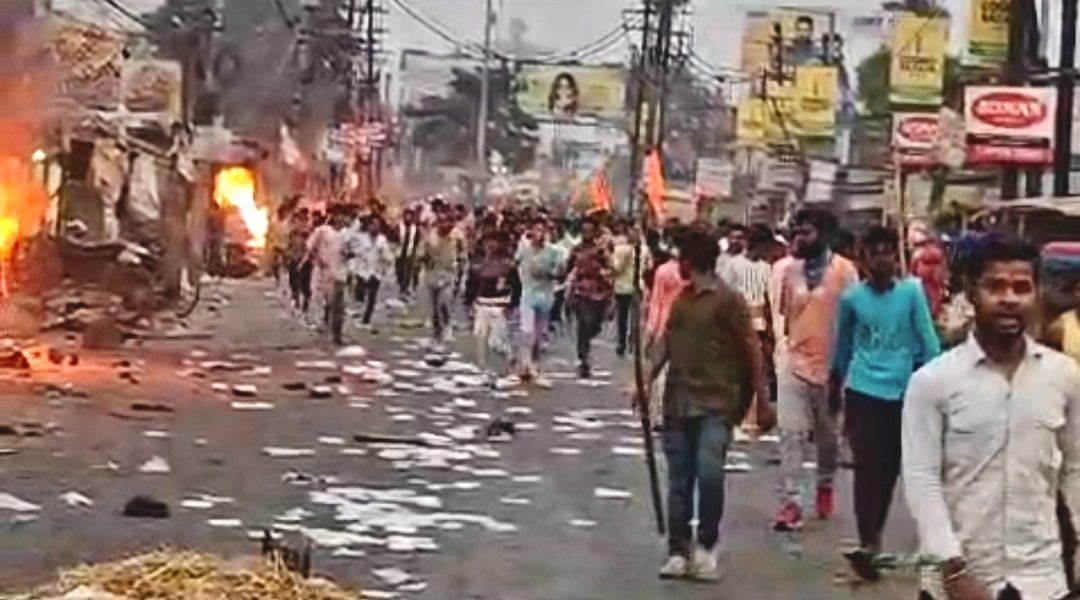
Kolkata: Barely a month before the West Bengal assembly elections, Ram Navami on March 26 once again played host to violence in West Bengal. In the state’s increasingly polarised political climate, the festival has become an instrument of mobilisation, competitive symbolism, and, in some places, violent confrontation.
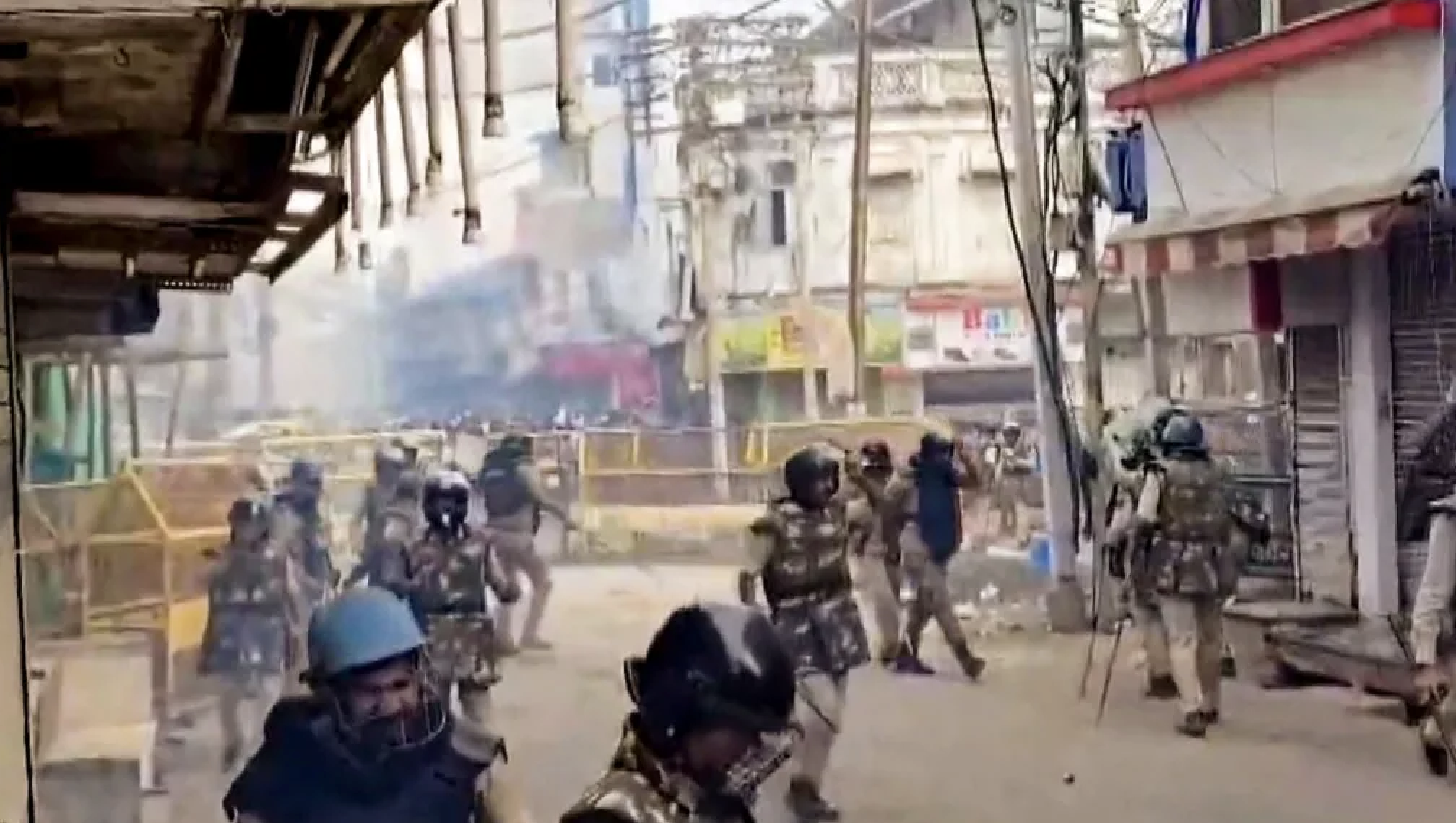
The clash in Raghunathganj in Mushidabad, the most serious Ram Navami-related incident of violence in Bengal this season, raises a difficult but unavoidable question. Coming just days after the Election Commission of India (ECI) transferred several top-tier police officials, the violence has triggered a political dispute over whether it was an isolated law-and-order failure or part of a broader pattern of tension during the election period.
There are differing accounts of how the clash began. The Bharatiya Janata Party (BJP) has alleged that a Ram Navami procession came under attack after stones were thrown at it. Local accounts, however, indicate that tensions escalated after Muslim religious flags were removed and Ram Navami flags were put up in their place in the town. While the exact sequence of events is contested, accounts from the ground suggest that the situation quickly moved from slogan-shouting and verbal provocation to stone-pelting, vandalism and arson.
“We did not earlier have this kind of religious frenzy in our area. Unfortunately, this is now being created. All of us must remain alert because politics of division has begun,” the Trinamool Congress (TMC) MP from Jangipur, Khalilur Rahaman, told The Wire.
This story was originally published in thewire.in. Read the full story here.