
By Web Desk
In Mota Khakivad village of Amreli, a locked house stands as a stark symbol of fear. The Muslim family that resided there disappeared after a November 2023 police raid led to their arrest for alleged cow slaughter. In November 2025, an Amreli Sessions Court sentenced three members—two brothers and their uncle—to life imprisonment under Gujarat’s Animal Preservation Act, along with a Rs 18 lakh fine. Their sudden exit and silence reflect a deeper anxiety gripping communities across the state.
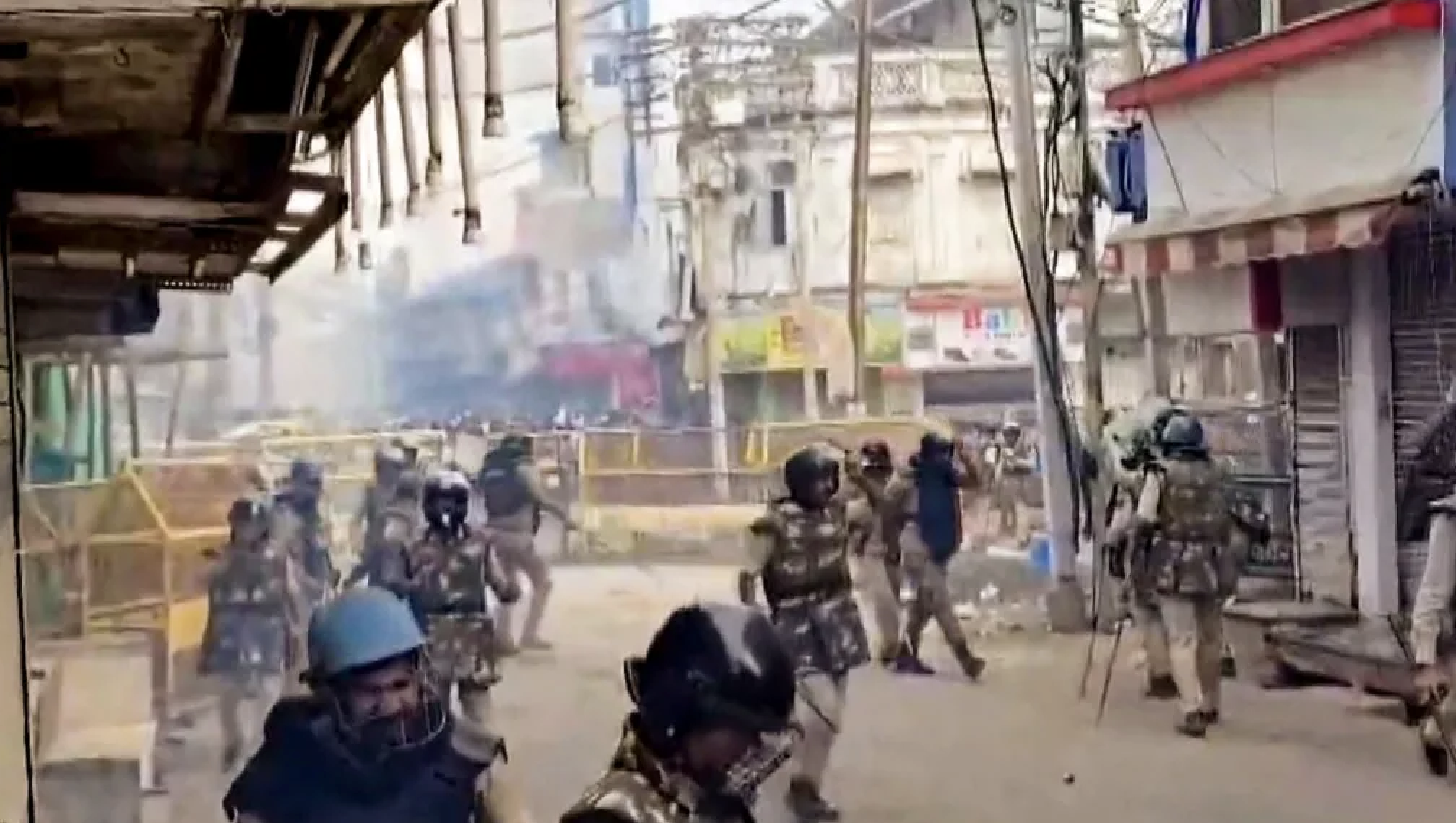
Violence linked to cow protection continues to erupt with brutal force. In February, two Muslim men were attacked in Gandhinagar by vigilantes who rammed their vehicle, leaving them seriously injured despite no evidence of illegal cattle. This mirrors the May 2024 killing of a man in Banaskantha’s Deesa village, beaten to death with iron rods while transporting buffaloes. No illegal activity was proven, yet the mob acted with fatal certainty. Most of the accused in the murder case were released within months, intensifying fear among the victims’ families.
In villages like Nava Sesan, fear dictates daily life. Muslim families hesitate to step out, children remain indoors, and even seeking medical help becomes difficult due to poverty and insecurity. Survivors often avoid pursuing justice, fearing retaliation, especially in areas surrounded by hostile demographics. The environment creates a suffocating silence where victims feel abandoned and unsafe.
For many Muslims, even lawful engagement with cattle has become dangerous. Identity alone invites suspicion, turning routine activities into life-threatening risks.
Cattle traders, herders, and transporters across Gujarat describe relentless harassment by vigilante groups. Interceptions, violence, extortion, and police action—often without evidence—have become common. Even when no crime is established, livelihoods are destroyed.
Traditional occupations are collapsing. Nomadic communities and small traders are forced to sell livestock at distress prices or abandon their trade entirely. Many now survive on low-paying daily labour, earning a fraction of their previous income.
This story was originally published in madhyamamonline.com. Read the full story here.