
By Team
Srinagar, Jammu & Kashmir: As she usually did before starting her work at night, 28-year-old A* was absentmindedly browsing through her phone after her dinner on a cold evening on Monday, 29 December 2025, in Srinagar.
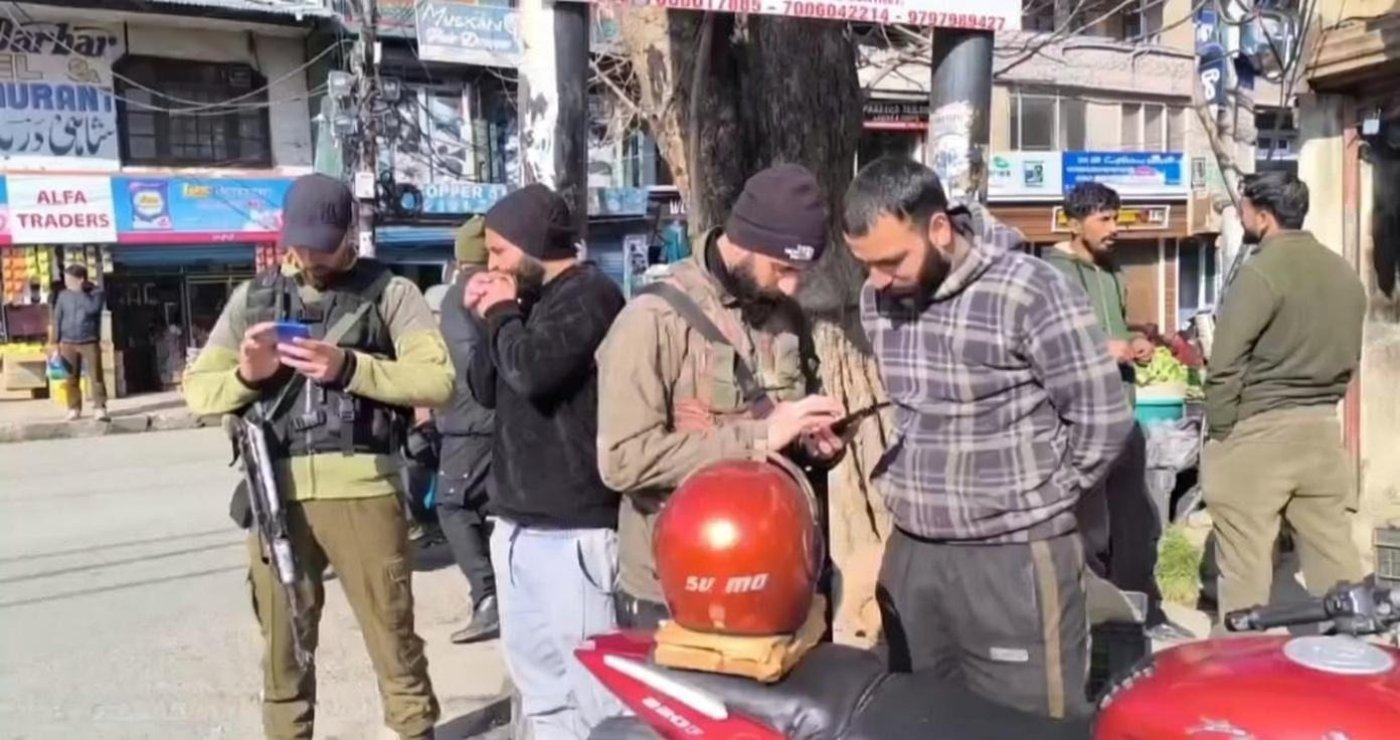
Suddenly, a video on her social media feed jolted her heart. It said that Virtual Private Networks (VPNs) had been banned in multiple districts in the union territory of Jammu and Kashmir (J&K).
Alarmed, she immediately called her friends. Within minutes, her worst fear was confirmed: the news was true.
“I felt my world collapsing in front of me,” she said. “I had dreams, hopes, and responsibilities—all shattered with just one news update.”
A* earns Rs 20,000 to Rs 30,000 a month as a freelance reporter for local and international media outlets, and VPNs have been critical to her work.
VPNs encrypt Internet connections, hiding activity from ISPs, advertisers, and intruders. They protect sensitive data on public networks, access company systems remotely, bypass geo-blocks, or keep location and browsing history private.
They enable secure, anonymous communication with sources, access to blocked international news databases, and protection against surveillance in a region where journalists have faced the ire of authorities (here, here and here).
This story was originally published in article-14.com. Read the full story here.