
By Jayanti Pahwa
In the ongoing proceedings over the Bhojshala Temple-Kamal Maula Mosque dispute, Qazi Zakullah— one of the petitioners from the Muslim community, argued that there was no concrete proof that a temple existed at the disputed site. The petitioner further argued that the Alaan of August 1935 issued by the Dhar Ruler granting the right to offer Namaz at the site was a valid document, as the monument was not declared as a protected site by the Government or the Archaeological Survey of India (ASI) from the period of 1904 to 1951.
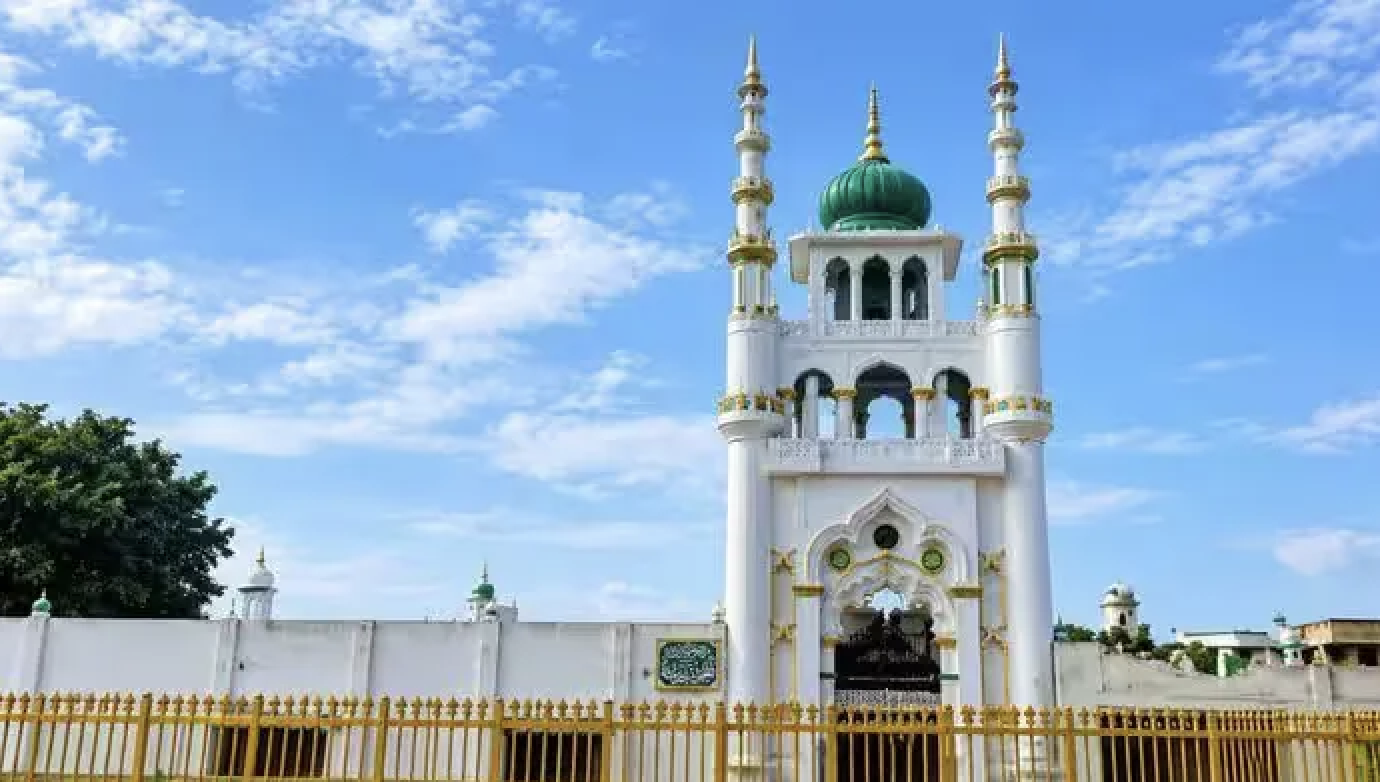
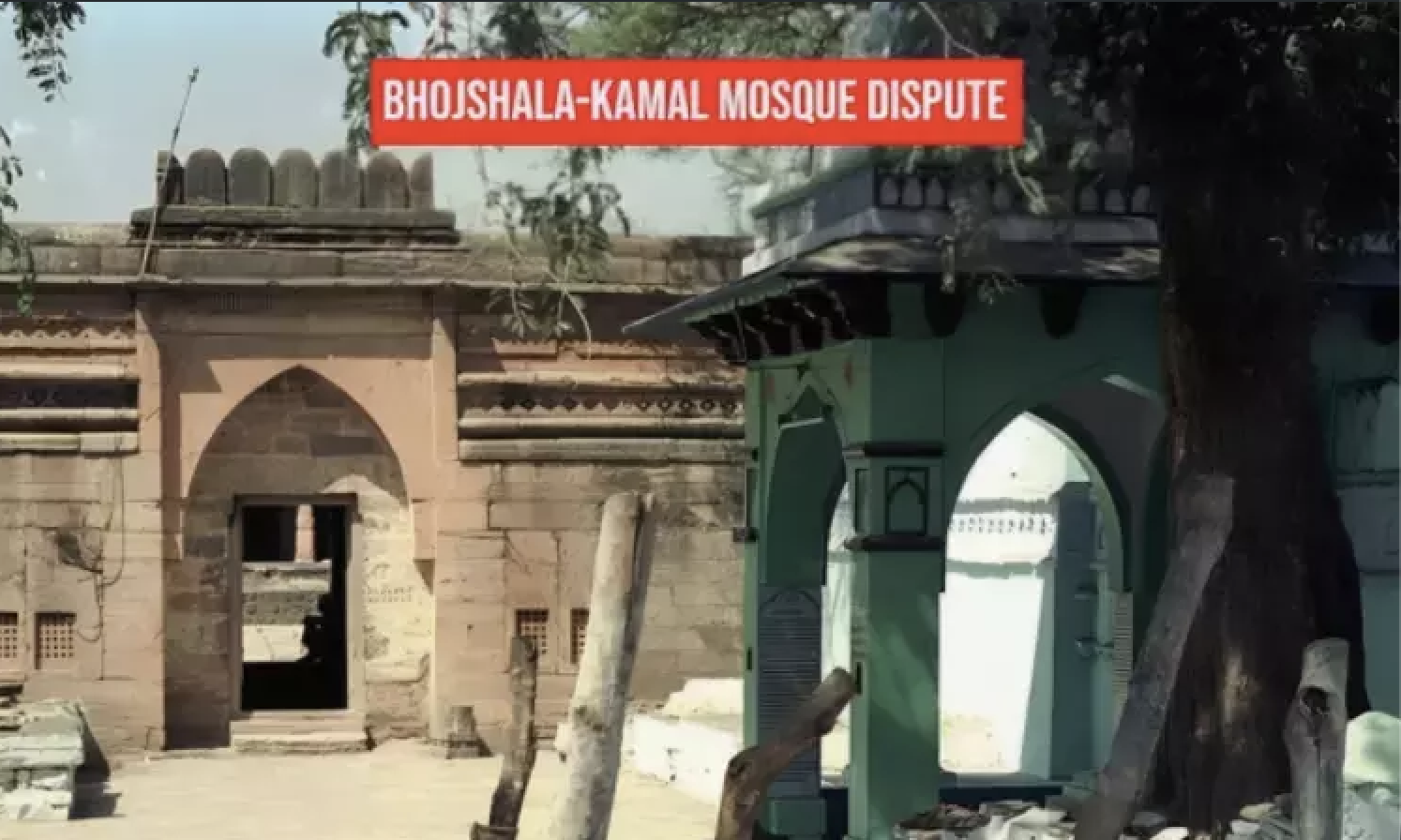
The dispute concerns Bhojshala, an 11th-century monument protected by the Archaeological Survey of India. Hindus regard the site as a temple dedicated to Vagdevi, or Goddess Saraswati, while Muslims regard it as the Kamal Maula Mosque. Under a 2003 arrangement by the ASI, Hindus perform puja at the complex on Tuesdays, while Muslims offer namaz there on Fridays.One of the PILs seeks a scientific review of the site, intending to reclaim the site on behalf of the Hindu community. Additionally, the petition seeks a prohibition on Muslim community members from offering namaz at the premises.
In this context, the High Court had ordered a survey of the site. However, this order was challenged before the Supreme Court by the Maulana Kamaluddin Welfare Society, Dhar. The Supreme Court, while allowing the survey, directed the High Court to unseal the report, supply copies to parties, and consider their objections at the final hearing.
During the hearing, Senior Advocate Shobha Menon, making her rejoinder submissions, argued that the petitioners themselves had acknowledged the existence of disputed questions of fact concerning the original nature of the disputed site. Referring to the pleadings in WP 10497 of 2022, Menon argued that the petitioners had sought carbon dating specifically to determine whether the structure dated back to the reign of King Bhoj and whether the complex was originally a temple, a learning centre or both. According to Menon, the absence of clarity in petitioners’ own claims undermines their assertion of an unquestionable right to worship at the site under Article 25 of the Constitution. She submitted before the division bench of Justice Vijay Kumar Shukla and Justice Alok Awasthi, “There is no concrete proof on record to show the existence of a temple, and there is absence of any particulars regarding the prana pratishtha of Goddess Vagdevi”.
Menon further argued that granting relief in writ petitions despite disputed facts would lead to the filing of multiple cases in the future. She stated, “if on these disputed facts, if there is going to be a decree, the floodgate will open and civil courts will cease to exist… Therefore, this right of worship, if it is there, is also a civil right”. Menon also addressed the historical legal framework governing the monument and submitted that between 1904 and 1951, the property remained under the authority of the Ruler of Dhar. She submitted that no notification under the Ancient Monument Preservation Act, 1904, had declared the monument protected during that period. She defended the validity of the 1935 Alaan issued by the Dhar Ruler, asserting that the Ruler possessed legislative and administrative authority over the property at the time.
This story was originally published in livelaw.in. Read the full story here.