
By Soni Mishra
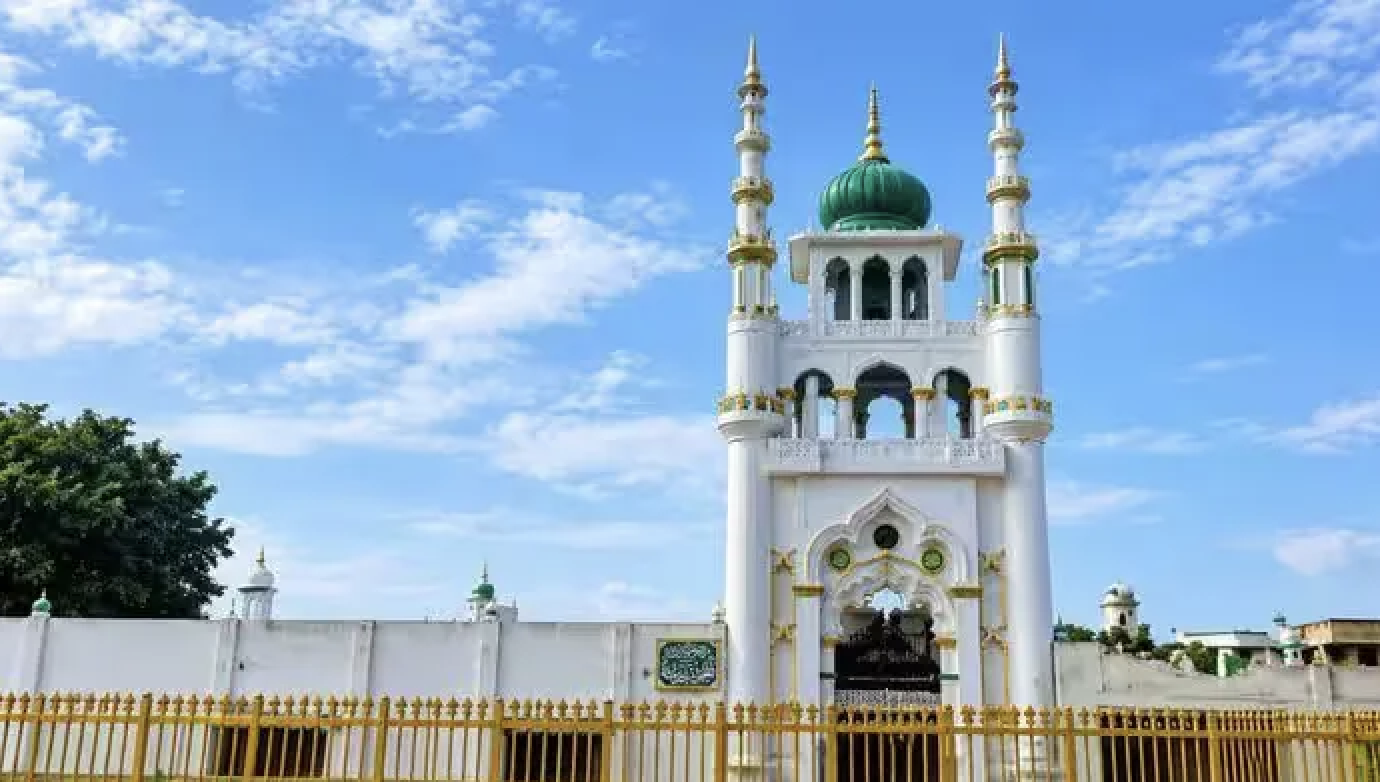
When the Madhya Pradesh High Court delivered its judgment on May 15 in the Bhojshala–Kamal Maula Mosque case, declaring that the original nature of the site was that of a Hindu temple, a key issue that occupied centrestage was whether the matter fell within the ambit of the Places of Worship Act, 1991, which was enacted as a safeguard against the reopening of historical disputes over the religious character of places of worship and as a way to maintain communal amity.
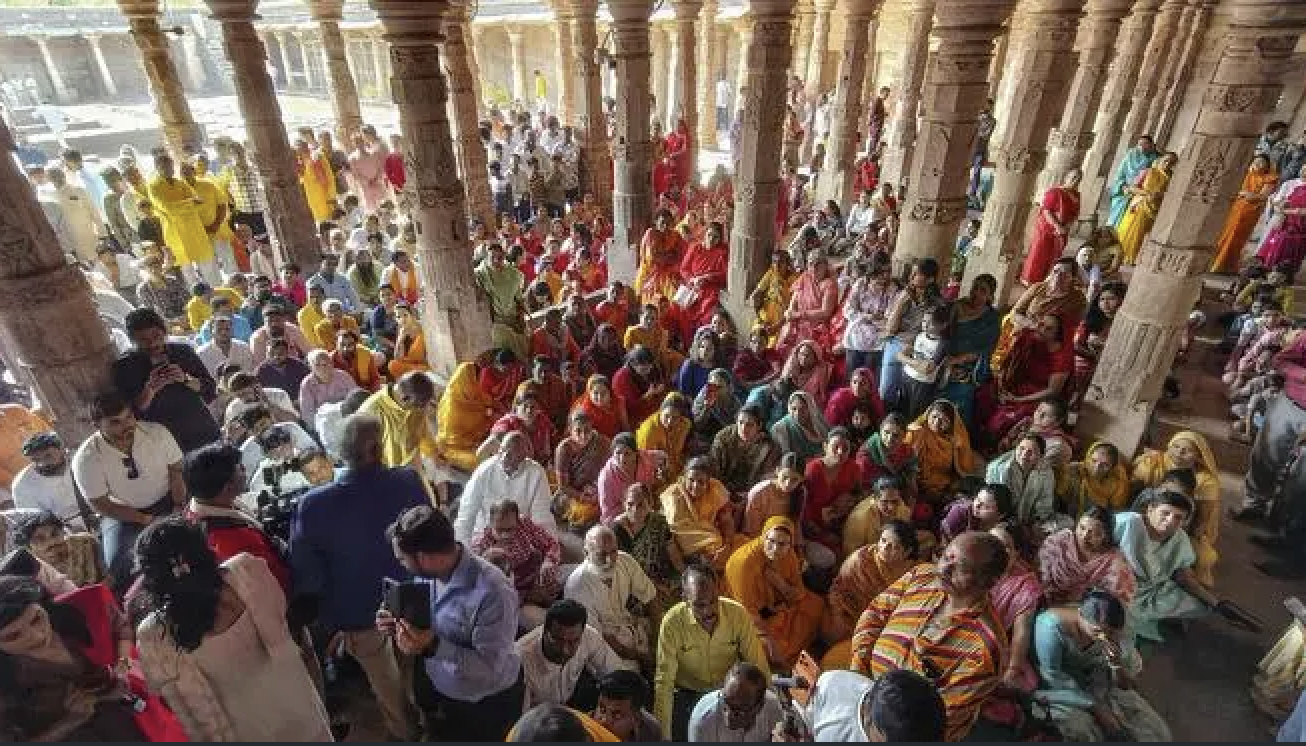
The Indore Bench of the High Court declared that the structure in question in Dhar district of the State is a Hindu temple and a place of learning of the Sanskrit language. It said the Hindu character of the site was “crystal clear” on account of archaeological and historical facts.
The court made it clear in its judgment that the 1991 Act was not binding in this case and explained how it had reached this conclusion. The basis on which the case was excluded from the application of the Places of Worship Act includes its status as a protected monument covered by the Ancient Monument and Archaeological Sites and Remains Act, 1958, and also the nature of the plea before the court—it is not a title suit but involves petitions seeking a declaration of the nature of the place of worship as on August 15, 1947.
This story was originally published in frontline.thehindu.com. Read the full story here.