
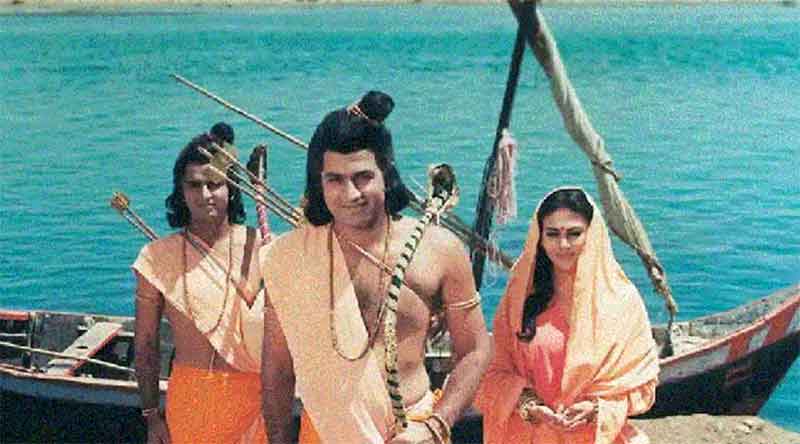
On 25 January 1987, Ramanand Sagar’s television serial Ramayan began airing on Doordarshan. It ran for 78 episodes until 31 July 1988, every Sunday morning at 9:30 AM. No other TV serial had ever achieved such popularity before. On those Sundays, the streets across the entire Indian subcontinent—including India, Nepal, Pakistan, and Bangladesh—would fall silent. People would finish or postpone all their work according to the serial’s schedule, sit in front of their TVs, and even schedule religious rituals and prayers around the broadcast.
Rammanohar Lohia had written an essay titled Ram–Krishna–Shiv seventy to eighty years earlier. Apart from their religious importance, he highlighted the profound cultural significance these three figures held for the Indian psyche even before the word “Hindu” was coined. He envisioned the cultural concept of the Ramayan Mela and proposed organising an annual Ramayan Mela on Ram Navami at the historic Chitrakoot in Madhya Pradesh. This was suggested long before the Babri Masjid-Ram Mandir dispute. He knew that Ram, Krishna, and Shiva had exerted a tremendous influence on the Indian masses for over five thousand years.
Today, the RSS and BJP are misusing this influence. They deliberately portray Maryada Purushottam Ram as a muscular, bow-wielding figure while erasing Sita and Lakshman, using him purely for Hindutva politics and power. They have violated all norms of decency. Before the construction of the Ram Temple in Ayodhya, they sacrificed the lives of lakhs of people and disregarded the Constitution. As the saying goes: “If the means are not pure, the end can never be good.” This is exactly what I feel when I see the current controversies surrounding the theft and property disputes of the Ayodhya Ram Temple.
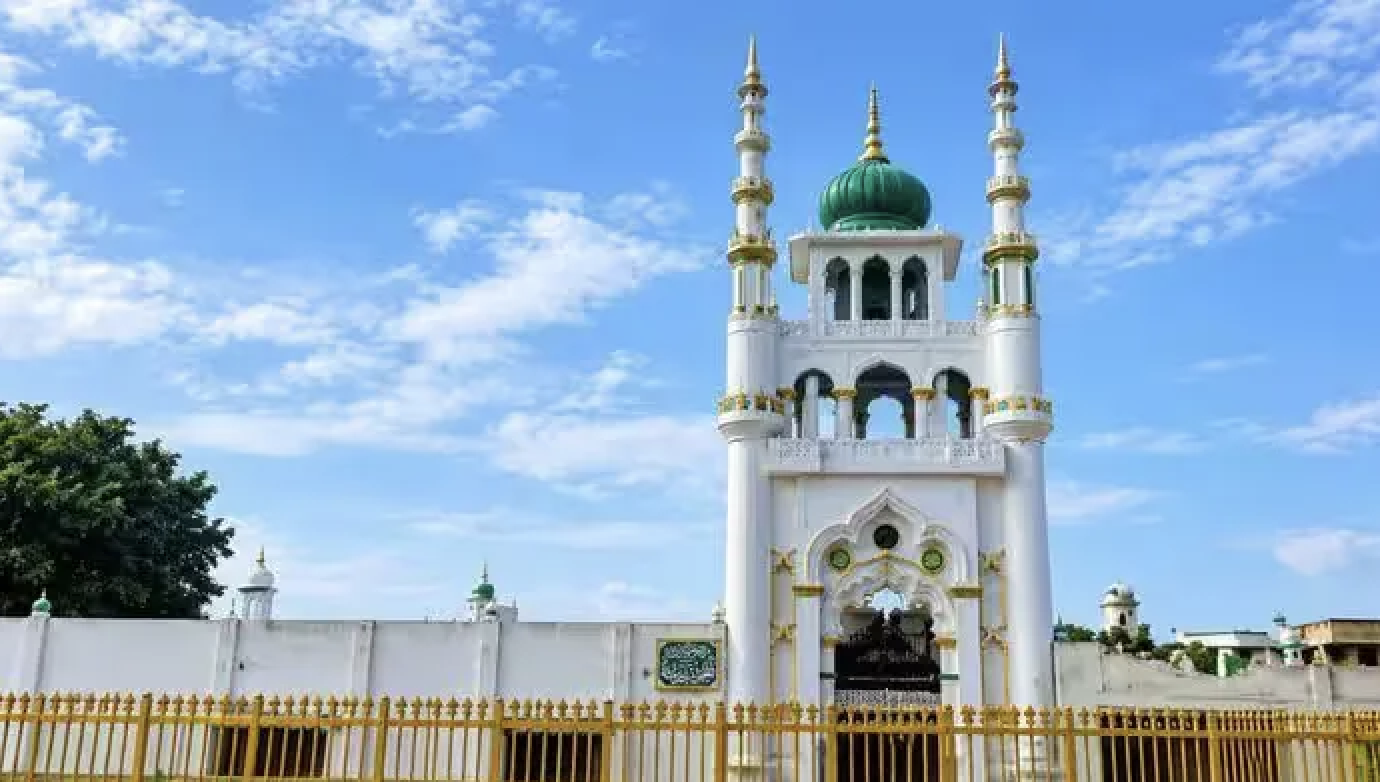
I do not know Ramanand Sagar’s intention in making this serial or his political affiliations. However, it undoubtedly contributed to building momentum for the Babri Masjid-Ram Mandir movement, serving the political interests of the RSS and BJP. That is why the BJP quickly fielded the actors who played Sita and Ram as its candidates.
Confession from a Savarkarite
Baroda-based Savarkarite Dr. Damodar Vinayak Nene (who wrote under the pen name “Dadumiya” in Marathi) openly acknowledged the role of the Ramayan serial in creating an atmosphere across the Indian subcontinent for the Ram Mandir movement. I had met him because I stayed at his house for a week while underground during the Emergency. In 1991, during the monsoon, while going to participate in the Narmada Bachao Andolan’s Manibeli Satyagraha, he invited me for dinner the night before I left Baroda.
During that long conversation, he told me: “Suresh, we Hindutvavadis had already started Hindutva politics in the early decades of the 20th century. We were quite successful within the Congress because of people like Lokmanya Tilak, Lala Lajpat Rai, and Madan Mohan Malaviya. But after Barrister Mohandas Karamchand Gandhi returned from South Africa in 1915 (at the age of 46), he achieved success in the Champaran farmers’ movement in Bihar in 1917. Following Tilak’s death in 1920, the Congress, which had been divided into Extremist and Moderate factions because of Tilak, reunited under Gandhi’s leadership. He called himself a Sanatan Hindu, wore a white dhoti like sadhus, established ashrams, included multi-faith prayers, and introduced new methods of public and socio-political work. His charisma spread so widely that from communists to people like us (Hindutvavadis), and even compared to Dr. Ambedkar, no one could gain any political ground in India while Gandhi was alive.”
I interrupted him and said, “That is why you people got him killed.”
This story was originally published in countercurrents.org. Read the full story here.