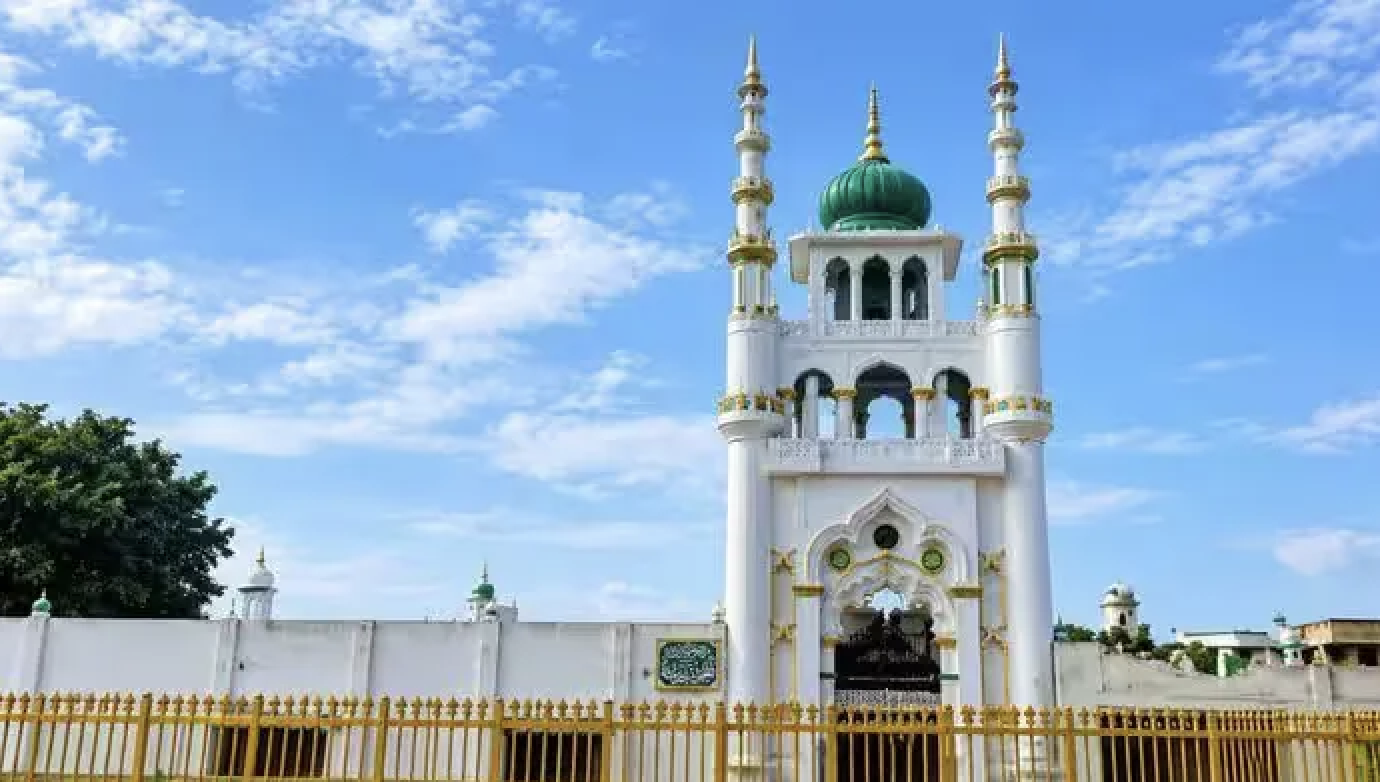


By Samir K Purkayastha
The installation of a 3.6-foot, 1.5-tonne Shiva Lingam at a temple adjoining the 14th-century Adina Masjid in West Bengal’s Malda district on Monday (July 27), though it passed off peacefully, reflects an increasingly assertive Hindutva agenda in the state.
Coming just days after protests over the proposed removal of a 136-year-old mosque from Kolkata airport, the Adina development suggests that religion-centred identity politics is becoming a new normal in West Bengal following the BJP’s ascent to power.
ASI-protected monument
Adina Masjid in Pandua, around 20 km from Malda town, is an Archaeological Survey of India (ASI)-protected monument.
Built between 1364 and 1374 by Sultan Sikandar Shah when Pandua served as the capital of the Bengal Sultanate, the monument was once the largest mosque in the Indian subcontinent and remains one of eastern India’s most important medieval Islamic structures.
Protected as a Monument of National Importance (MNI), it represents a synthesis of Persian, Central Asian and indigenous Bengali architectural traditions.
Thousands of devotees at Shiv Mandir
Thousands of devotees on Monday gathered at the adjacent Adinath Puratan Shiv Mandir as organisers installed a Shiva Lingam brought from Tarakeswar in Hooghly district, nearly 290 km away, under heavy police deployment.
This story was originally published in thefederal.com. Read the full story here.