
By Murali Kamma
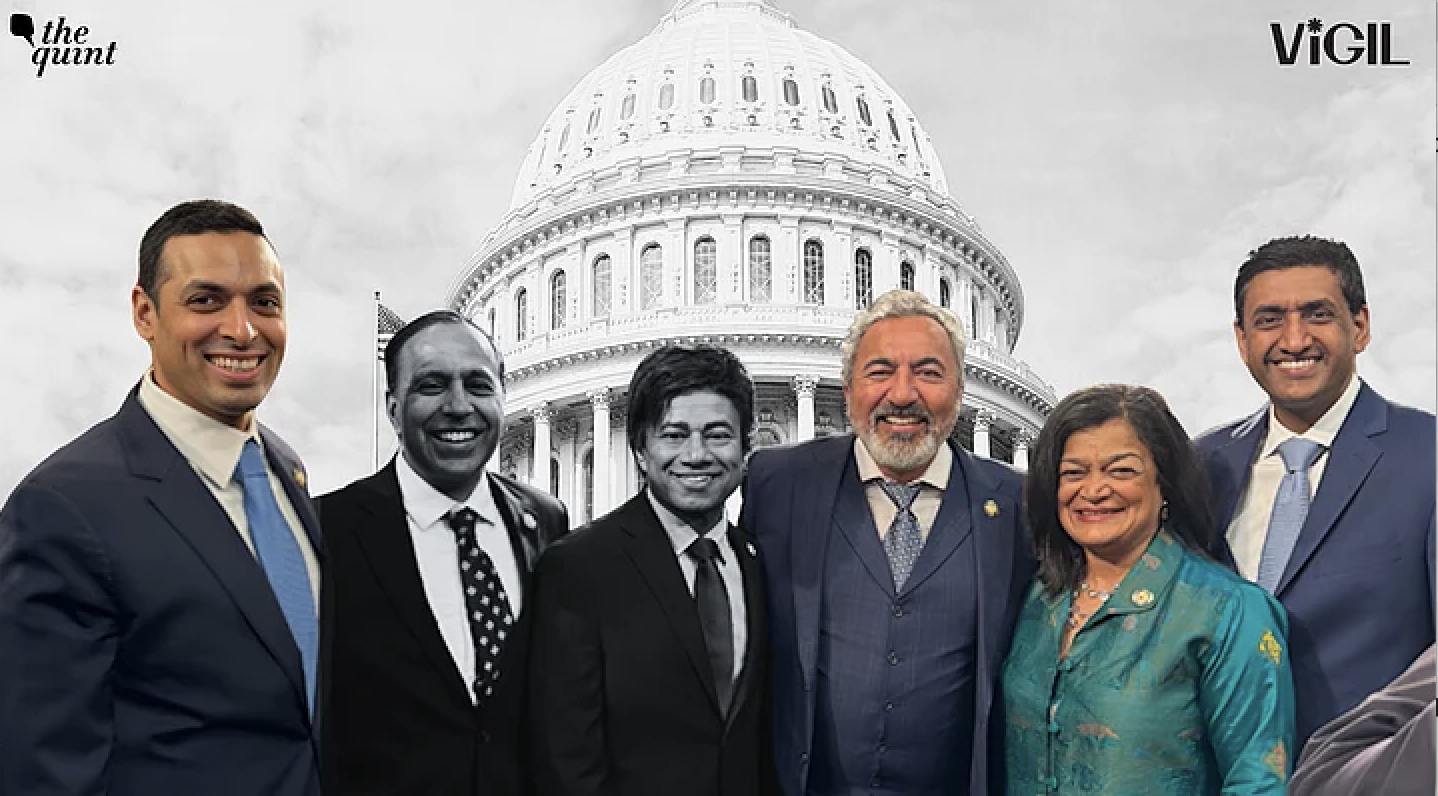
The Samosa Caucus in the US Congress is shrinking, but going forward, there are ways to reverse it. Here are some takeaways from this year’s primaries: don’t embrace divisive leaders, shun campaign contributions that may be tainted, avoid battles over culture and identity, and focus relentlessly on economic issues like affordability.
It is, after all, such a paradoxical time to be Indian American. There’s been so much praise for the community (with Indian Americans themselves indulging in a good bit of self-praise) that one could be forgiven for thinking they’re a highly favored immigrant minority in Trump 2.0’s America. That’s hardly the case.
Brown immigrants, including Indian Americans, are a disfavoured minority, as are Black immigrants. Only White immigrants from nations like South Africa seem to be a favored minority today, though even they may be wary given how unpredictable the US has become.
Nevertheless, to touch on the paradox, it’s a good time for politically active non-White Democrats. Think of Zohran Mamdani’s astonishing breakthrough when he became Mayor of New York City. And this month, Abdul El-Sayed won a hotly contested Michigan primary to become the Democratic nominee for a US Senate seat. El-Sayed, an Egyptian American, is a physician like his Indian American wife. With only 35 Senate seats up for grabs in 2026, it’s a crucial race.
In the House of Representatives, where all 435 seats are up for election this November, we currently have six Indian Americans. The Senate has none. Seen in this context, the recent Indian American primary losses are sobering indeed. Indian Americans need more representation in Congress, not less.
This story was originally published in thequint.com. Read the full story here.