
By Junaid Dar
Srinagar: Seven years after the reading down of Article 370 by the Bharatiya Janata Party (BJP)-led Union government on August 5, 2019, the political landscape of Jammu and Kashmir presents a paradox. While the electoral process has returned through Assembly elections and an elected government in the region, the nature of political engagement has undergone a big change. Mainstream politics has returned, but local politicians and political analysts claim that the political space remains different from the pre-2019 time.
“The August 5 decision disempowered the erstwhile state of Jammu and Kashmir. Across Kashmir, almost all political formations remain unhappy with the decision. Jammu and Kashmir today is less empowered and, in many ways, less secure. If you ask BJP-affiliated politicians, they will say the decision has accelerated development and reduced separatism. But if you ask local political parties, they will tell you that it stripped Jammu and Kashmir of the protections provided under Articles 370 and 35A and disempowered the region. That is true,” political scientist and international relations expert professor Noor Ahmad Baba told The Wire.
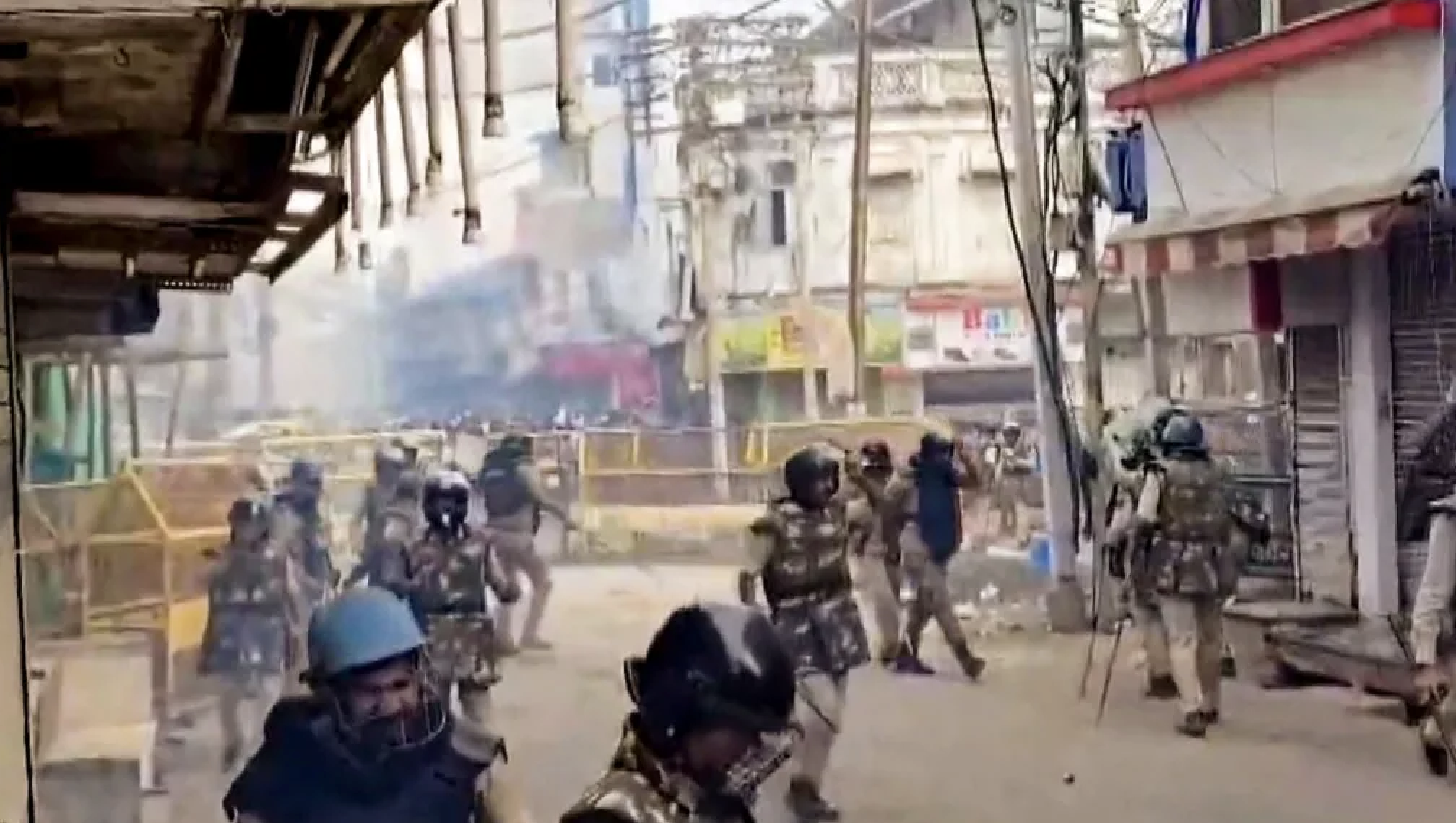
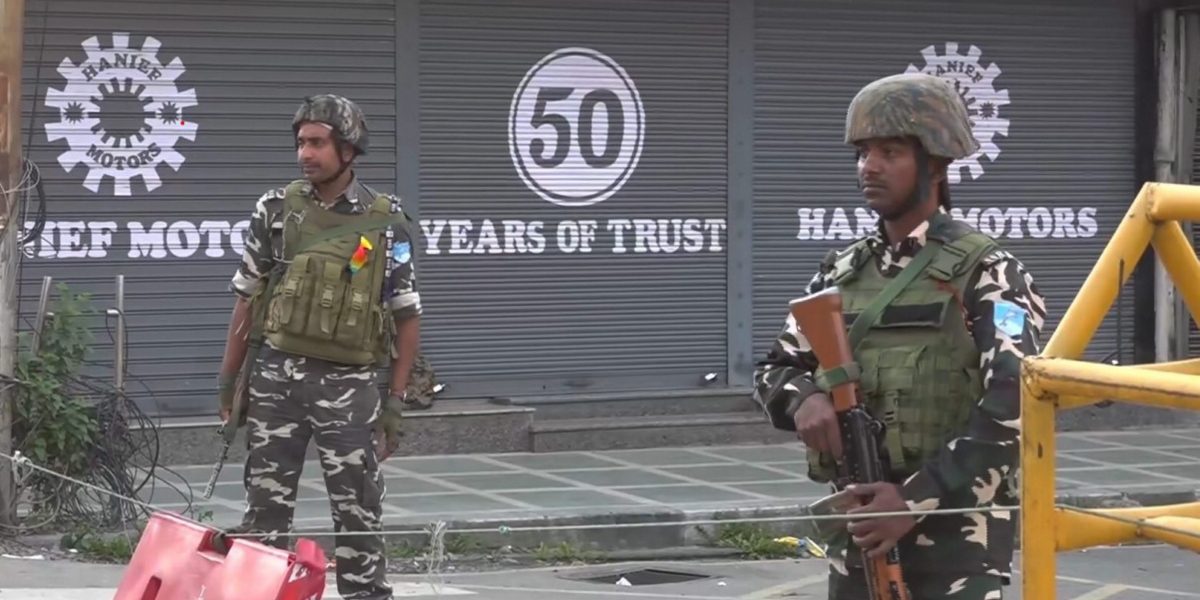
The reading down of Article 370 and Article 35A, and the bifurcation of the erstwhile state into two Union Territories – Jammu and Kashmir and Ladakh – brought an immediate halt to conventional political activity in the region in 2019. Curfews, communication restrictions and preventive detentions of mainstream political leaders defined the months that followed the centre’s move to scrap the autonomous position of Jammu and Kashmir.
‘Democratic normalcy cannot be measured by elections alone’
The Jammu and Kashmir National Conference (NC) chief spokesperson and legislator, Tanvir Sadiq, believes that the political landscape in J&K has changed since August 2019. “Elections have been held, and an elected government is back in place, but the democratic normalcy cannot be measured by elections alone”.
“Elected representatives are accountable to the people, but they continue to function within significant administrative and constitutional constraints that limit their ability to govern effectively,” said Sadiq.
Until the Jammu and Kashmir Reorganisation Act in 2019, the erstwhile state had a bicameral legislature. The lower chamber, the Legislative Assembly, was composed of 87 members directly elected for six-year terms to single-member districts, under the Jammu and Kashmir Constitution. The upper chamber, called the Legislative Council, comprised 28 indirectly elected members and eight members nominated by the governor.
“Instead of focusing entirely on development and public welfare, much of the effort goes into navigating institutional impediments. The gap without an elected government weakened democratic engagement,” Sadiq told The Wire.
This story was originally published in thewire.in. Read the full story here.