


By Madhu Sudan Chatterjee
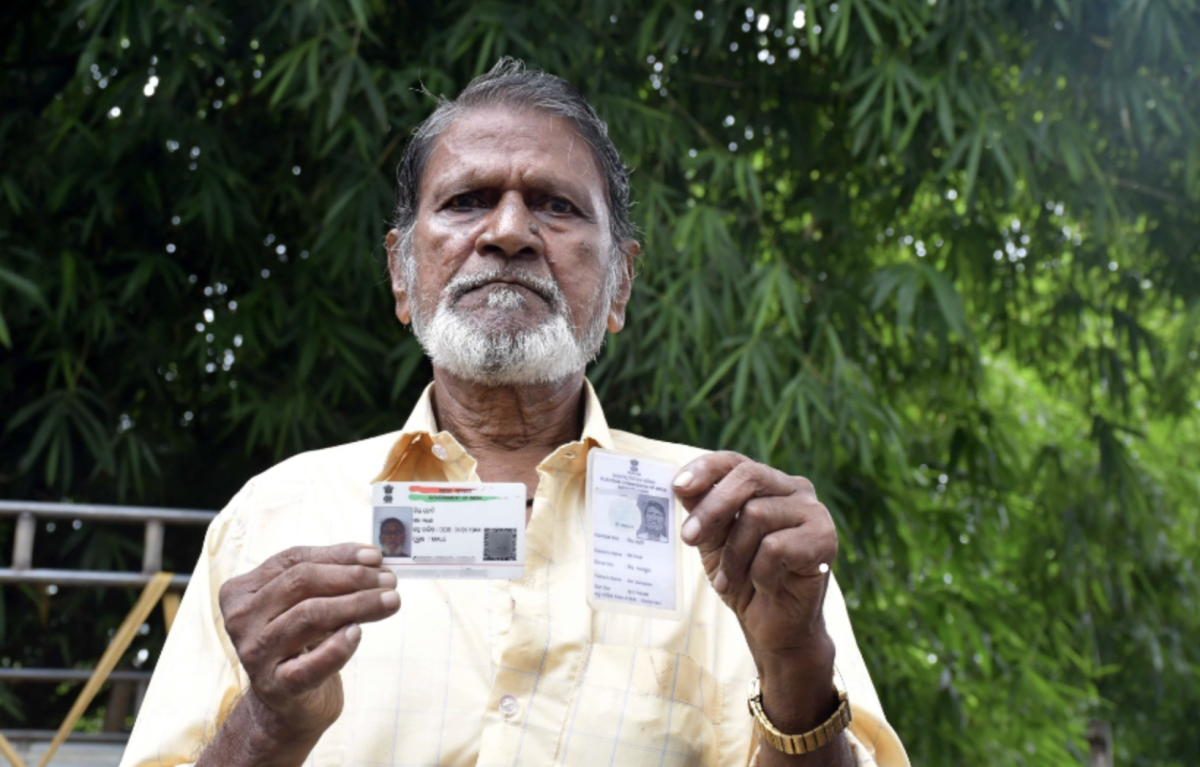
Bhadrak (Odisha): “I am 85 years old and have been voting for many years. Now I am being told that I supposedly do not live here – that, in fact, I have no existence here at all.” A frail, ailing body, trembling hands clutching his Aadhaar and voter ID cards, Mir Alam Gir from booth number 174 of Bhadrak municipality, in Bhadrak Assembly constituency, Odisha, lamented as he recounted his struggle to find his name on the electoral roll during the special intensive revision (SIR).
“The person who submitted Form 7, seeking to have my name deleted from the electoral rolls, is just 27 years old. He does not even live in my neighbourhood – he lives nearly 20 miles away. How could he possibly know whether I am still living here, have moved elsewhere, or whether I have died? This is how the BJP (Bharatiya Janata Party) is trying to remove the names of Muslim people in Odisha from the electoral rolls in the name of the SIR,” he alleged.
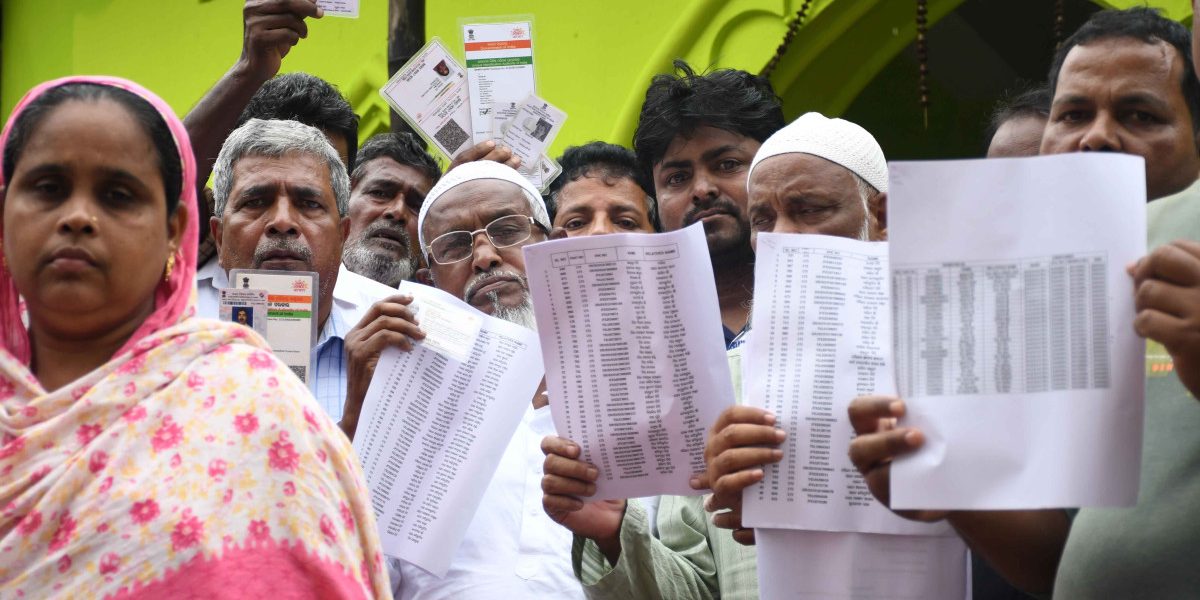
In his trembling voice, he continued that to protest against this injustice and humiliation, a few voters like him had gone together to Bhadrak police station where they lodged a written complaint against the people they accused of falsely submitting Form 7 applications to deprive them of their right to vote. “But police administration has taken no action,’’ he said, “We are living each day in a state of deep uncertainty, not knowing whether our names will remain on the electoral rolls or whether we will be stripped of our right to vote.”
The SIR of electoral rolls in Odisha began in June. Bhadrak district has the highest Muslim population by percentage, at 6.92%, among Odisha’s districts, and has the second highest in absolute numbers.
The Wire travelled to several parts of the Bhadrak district to examine the ground reality of how the exercise was being carried out and what it meant for voters. During this field visit, several towns in the district revealed the same unsettling feeling that Gir spoke about.
The same questions kept resurfacing, village after village: “Will we be able to vote? Or, like in Bengal, will some of us be placed under scrutiny and effectively left uncertain about our right to vote in the name of Logical discrepancies?”
Why are Odisha’s Muslim minorities living in fear?
In absolute numbers, Cuttack has the largest Muslim population – 1,42,263 – among all districts, though it accounts for 5.38% of the district’s population. Bhadrak comes next, with 1,04,202 Muslim people, who constitue for 6.92% of the district’s population.
This story was originally published in thewire.in. Read the full story here.