


By Aparna Bhattacharya
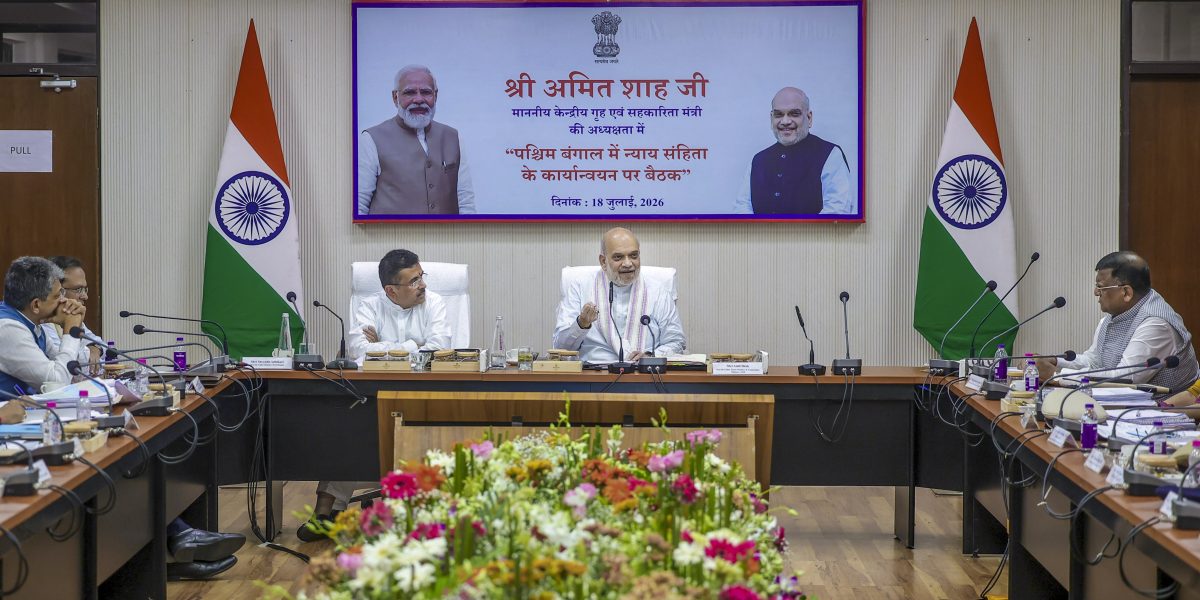
Kolkata: On July 18, 2026, Union home minister Amit Shah convened a high-level review on border security in West Bengal’s Siliguri. The meeting was attended by superintendents of police of every district along the Indo-Bangladesh border.
But the commissioner of police of Siliguri was not among them. According to a complaint filed by Trinamool Congress Krishnanagar MP Mahua Moitra, Siliguri commissioner of police Syed Waquar Raza was asked to leave by West Bengal director general of police (DGP) Siddhinath Gupta. No reason was given.
According to Moitra’s complaint, Raza, an Indian Police Service (IPS) officer, spent the rest of that meeting in the official chamber of his wife, Shama Parveen IAS, who is presently posted as senior secretary, North Bengal Development Department.
‘One factor that sets them apart is their religion’
Raza is one of three senior officers named in Moitra’s letters, dated September 16, to the National Commission for Minorities and the United Nations special rapporteur on minority issues. The other two are Jawed Shamim, the director general (DG) heading the state’s Special Task Force (STF), and Khalil Ahmed, additional chief secretary of the Fire and Emergency Services Department. Moitra alleges that the three were kept away from meetings and official engagements during Shah’s visits to Bengal in July and August because they are Muslim.
“The one factor these three officers share, and the one factor that sets them apart from the colleagues who were permitted to remain, is their religion,” Moitra says in her complaint. Her complaint describes seven alleged acts of exclusion during two visits, involving meetings, an exhibition and arrangements to receive and see off the home minister.
Moitra’s letters provide an account of the alleged incidents but do not include statements from the officers themselves or copies of instructions ordering their exclusion. The material annexed consists of a suggested ceremonial line-up for the August visit and a screenshot of Moitra’s September 1 post on X. Neither, on its own, establishes that officers were asked to leave meetings or why attendance decisions were made.
This story was originally published in thewire.in. Read the full story here.