


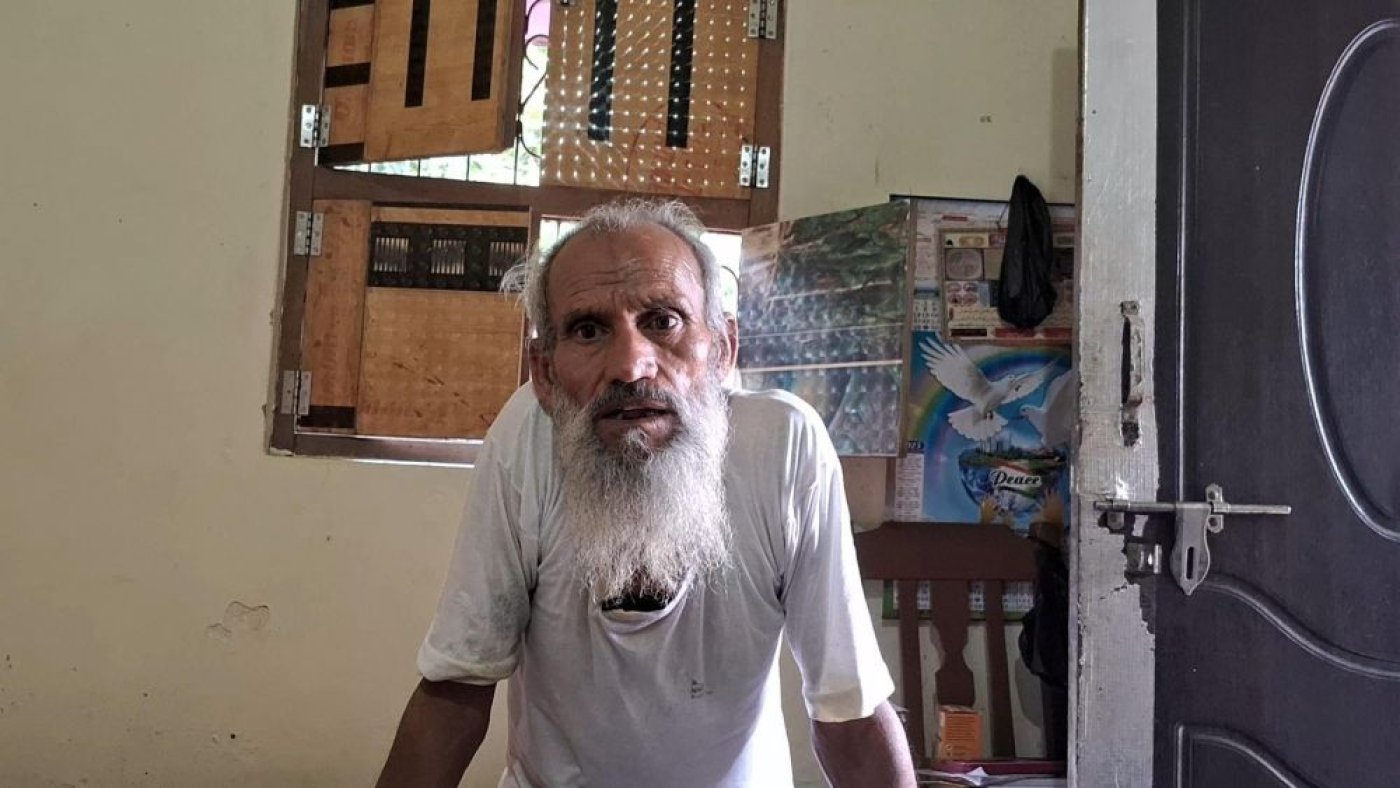
Uttar Dinajpur, West Bengal: In Bagrail village in Uttar Dinajpur district, Jalil Akhtar and his wife, Taupha Bibi, share a small, rickety one-room home made of mud and tin. The couple had a settled life, relying on money sent home by their two sons, daily labourers in Hyderabad.
Then came the night of 19 June 2026, when, Akhtar said, his life was turned upside down after the police picked him up on suspicion of being Bangladeshi.
The 66-year-old spent 87 days being moved between jail and holding centres, where foreigners suspected of living illegally in the country are detained, and was almost deported twice, while his family ran from pillar to post with his documents, trying to prove he was Indian.
Speaking to Article 14 after his release on 15 September 2026, Akhtar described his ordeal.
“It was midnight, around 12.30 or 1. The police arrived quietly. They simply called out to me. I opened the door, and then one of them grabbed me by the shoulder and took me away. They had guns with them. Some six or seven policemen were there. It was just like a kidnapping,” said Akhtar.
“There was no conversation. They put me in the vehicle and drove off,” he said. “They didn’t let me tell anyone in my house or the neighbourhood. They told me not to utter a single word and to remain completely silent.”
Three months later, judicial magistrate Jamshed Shaikh ordered Akhtar’s bail, finding that the detention was “unfortunate” and his documents, including electoral rolls from 1995, 2002, 2026, voter, ration and Aadhaar cards, were not “forged or fabricated”.
“At the same time, allegation involving nationality cannot by itself, and without supporting material indicating a concrete threat, justify indefinite detention of an undertrial,” the magistrate wrote.
This story was originally published in article-14.com. Read the full story here.