
New Delhi: This month, a sessions court in Madhya Pradesh convicted seven men of beating a man to death on a road near Seoni Malwa. The victim was a Muslim cattle transporter. The judgment is careful and reasoned. It convicts on a patiently built chain of evidence, and declines to convict where the proof runs out. In a class of cases where prosecutions routinely collapse, that is unusual work.
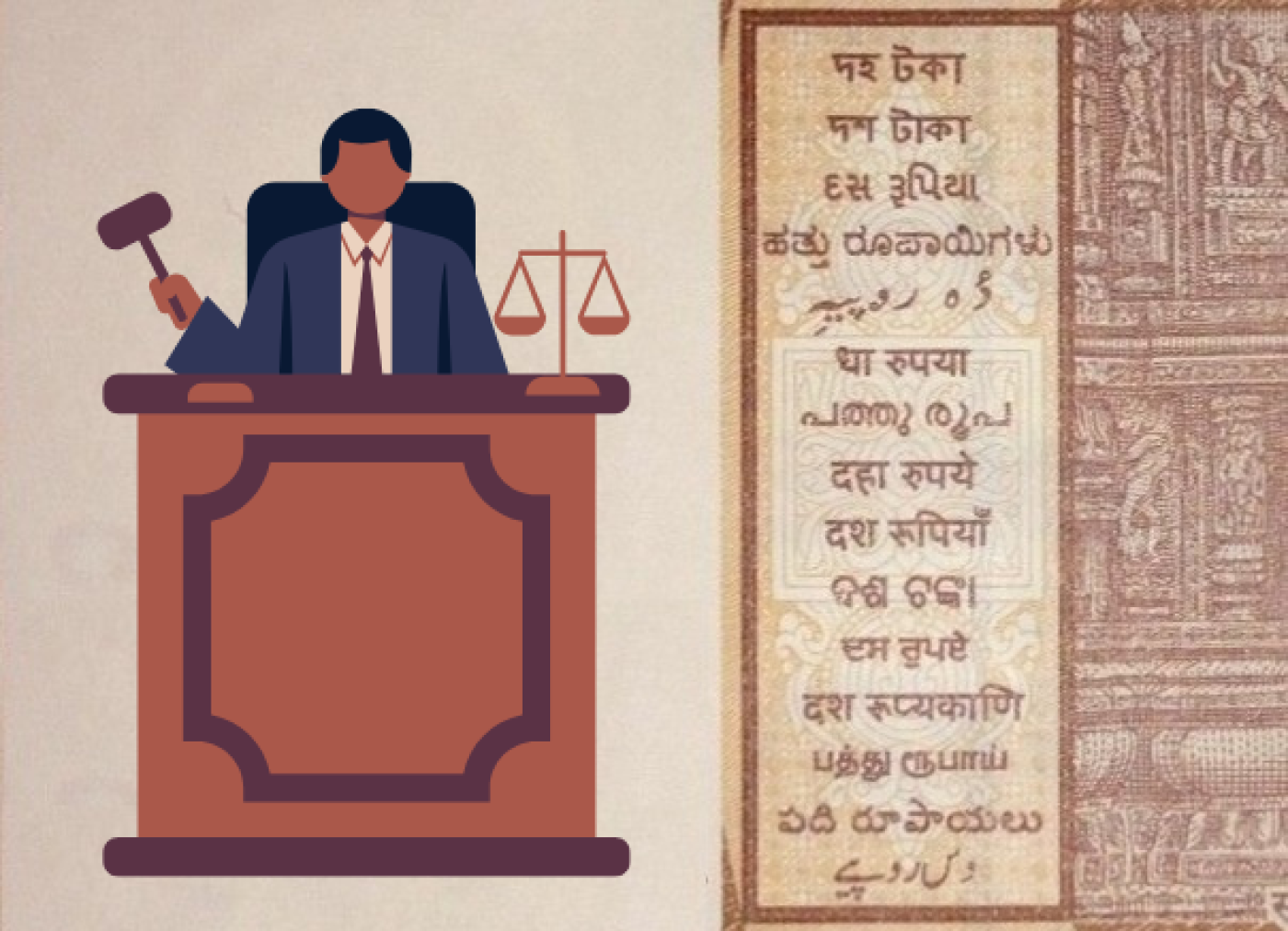
Almost no one noticed. The verdict made little national impression, though it was analysed in The Quint. The reason is plain. The judgment was written in Hindi.
That fact is worth sitting with. India’s legal conversation is conducted in English and trained upward. It watches the Supreme Court, reads the High Courts when they speak in English, and pays almost no attention to the trial courts. This is not only habit. Article 348(1)(a) of the Constitution keeps the Supreme Court and the high courts in English.
Yet for most Indians, and for nearly all poor and marginalised ones, the trial court is the justice system. The Supreme Court is a distant rumour.
The place where liberty is granted or refused, where a charge becomes a conviction or an acquittal, is a district courtroom working in an Indian language.
We have built machinery to carry the law in one direction only. The Supreme Court now translates its own judgments into the regional languages—tens of thousands of them into Hindi—so that a ruling from Delhi can be read in a district court. The Chief Justice has said that English, in its “legal avatar,” is incomprehensible to almost any citizen, and he is right. The effort to push the apex court’s words downward is admirable.
There is no machinery running the other way. When a trial court in Narmadapuram, Nagpur or Madurai writes something significant in Hindi, Marathi or Tamil, nothing carries it up into the national conversation. It surfaces only if a journalist or a lawyer happens to translate it privately, as I did in this case.
This story was originally published in article-14.com. Read the full story here.