
By
The pulpit in Kashmir mosques is moving beyond the traditional religious discourse.
Broadening its conversations beyond the matters of faith, the Valley mosques will now take up issues closer to the community – from drug addiction to suicide and self-harm to environment issues.
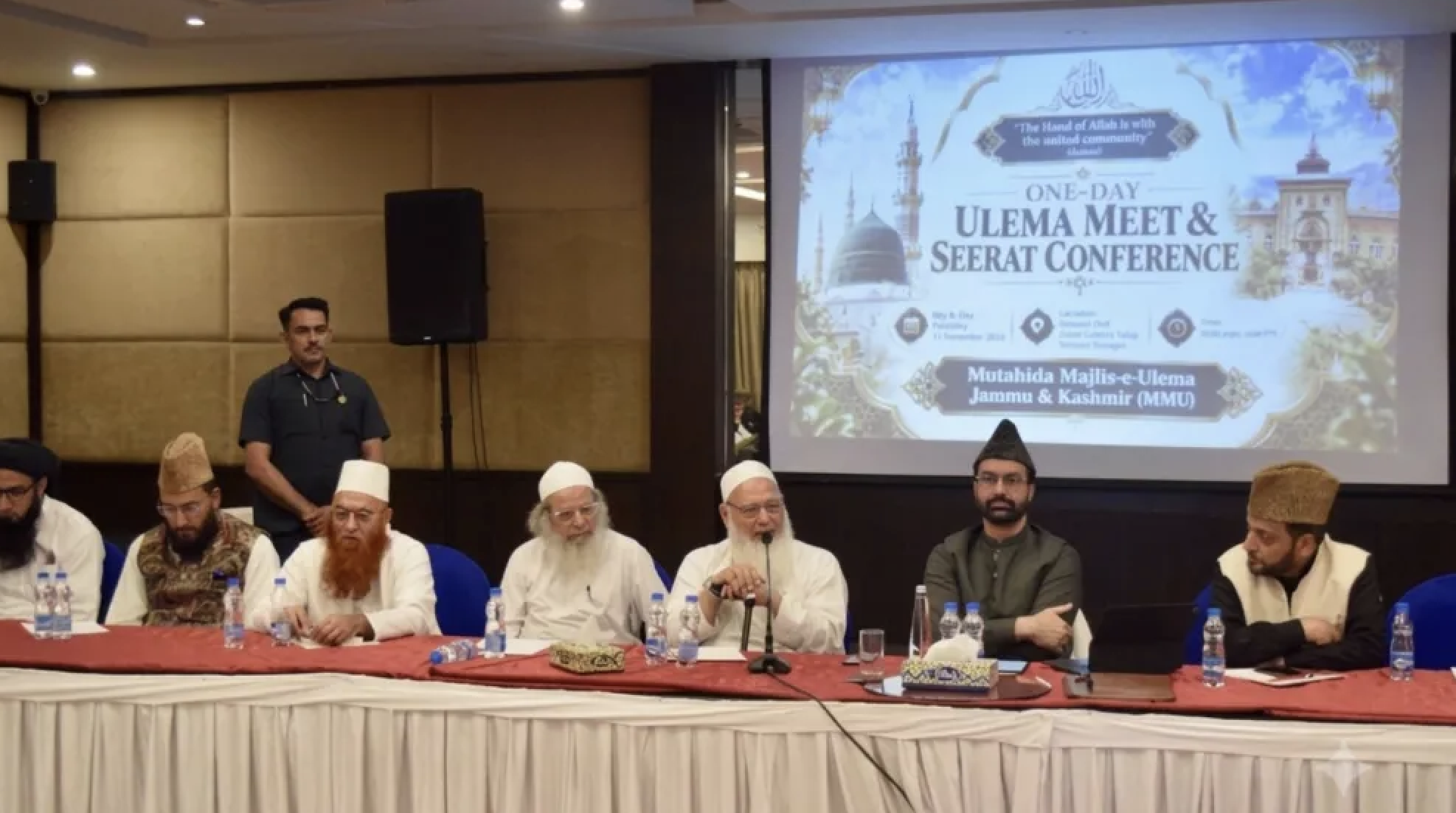
The decision was taken at a recent meeting of religious scholars from Jammu & Kashmir, and Ladakh, bringing together clerics from across the Shia-Sunni divide. The meeting held on Tuesday was headed by Valley’s chief cleric Mirwaiz Umar Farooq.
“We are witnessing an increase in self-harm and emotional distress among young people, and the steady degradation of our environment. These are no longer issues that can be left only for the government (to tackle) or occasional seminars. They require a sustained social response,” Mirwaiz told The Indian Express. “The mosque and the mimbar (pulpit) have a unique reach and influence in our society and the ulema (scholars) have a responsibility to use that platform constructively.”
Mirwaiz said that the seriousness of these social challenges prompted the initiative. “The pulpit can’t replace doctors or counsellors but can educate and mobilise the society towards positive action,” Mirwaiz said. “We have decided that on designated Fridays, a common social issue will be taken up across mosques, creating awareness, encouraging families to recognise problems early, reducing the stigma around counselling and professional help, and reminding people of their responsibility towards their surroundings.”
Mosques as community welfare centres
The religious scholars, from across different schools of thought, who met under the banner of Muttahida Majlis Ulema (MMU) headed by Mirwaiz, agreed to transform the mosques and madrasas as community welfare centres.
This story was originally published in indianexpress.com. Read the full story here.