
By
Ahmedabad: “Everything that I bought with my hard-earned money, and the home I raised my children in, doesn’t exist anymore,” said Mumtaz.
In April and May 2025, the Gujarat government conducted a “mega demolition drive” against what they called illegal Bangladeshi settlements in Ahmedabad’s Chandola Lake area. The move came merely five months after the Supreme Court ruled in favour of people’s right to shelter and called out extra-judicial demolitions of properties by the state.
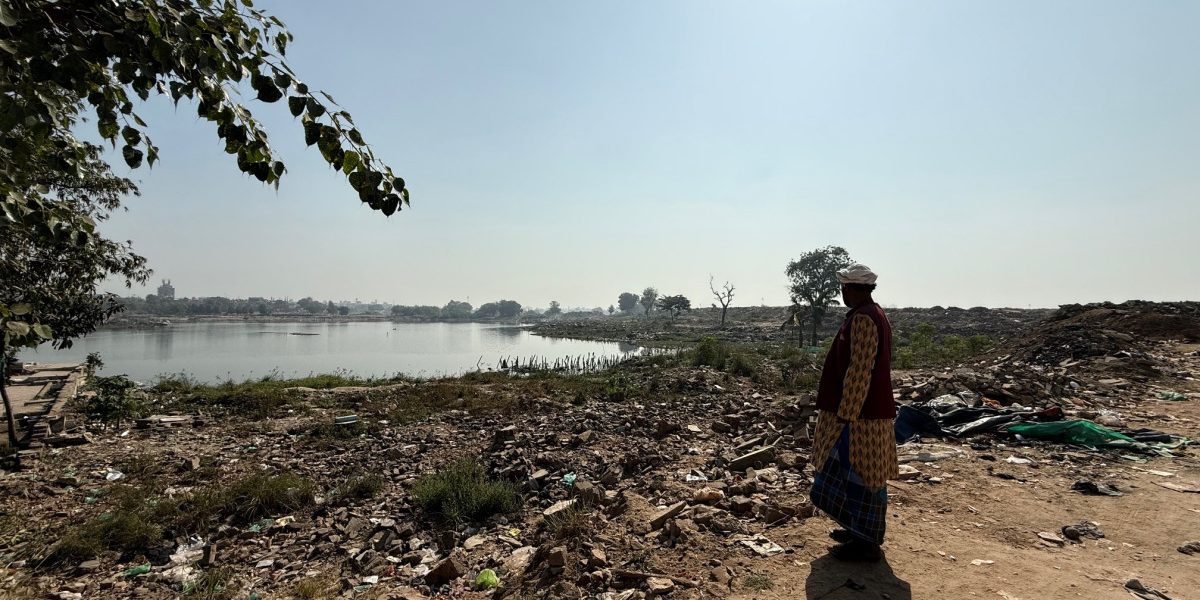
Today, Mumtaz’s home stands reduced to rubble alongside at least 12,000 other homes, which were razed by the Ahmedabad Municipal Corporation in April 2025. The drive in April happened in the backdrop of the Pahalgam attack, following soon after Union home minister Amit Shah vowed to uproot terrorism from India.
Nine months later, the remnants of homes surround the Chandola Lake, with no government redevelopment action in sight.
The day everything changed
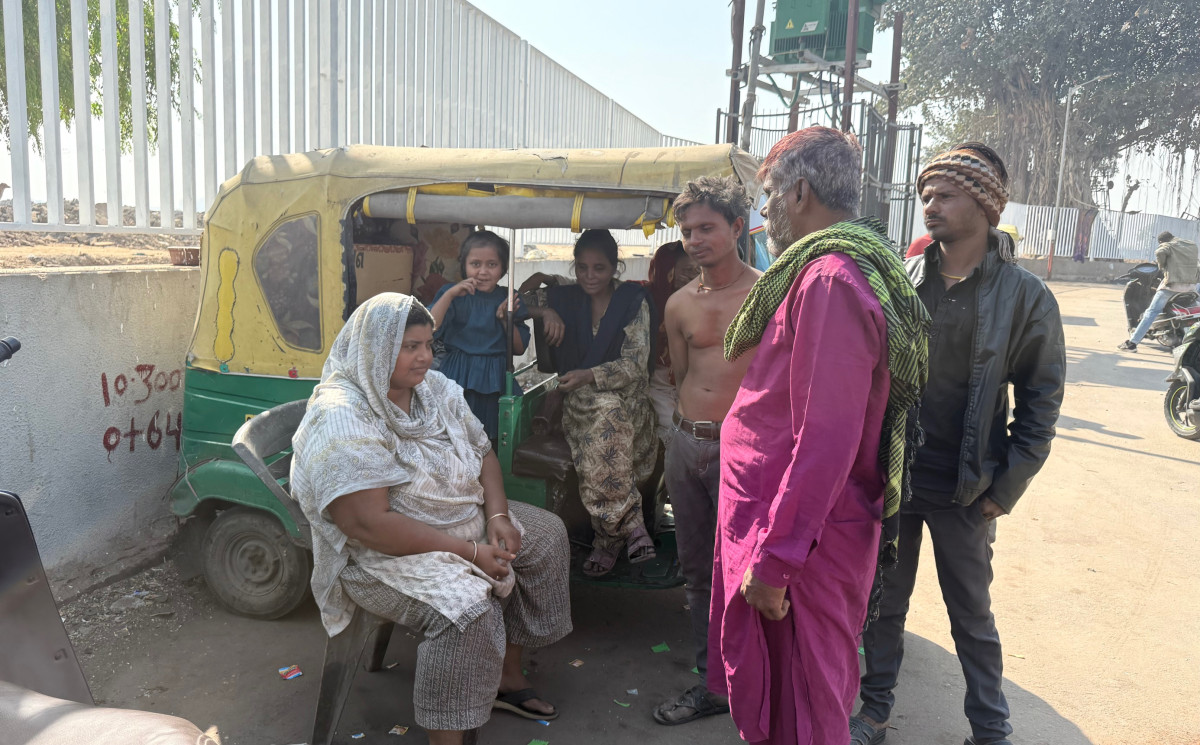
“I could only see a sea of policemen as far as my vision went,” said Saiyed Minhajuddin, a former resident of Siyasat Nagar, near the Chandola Lake area.
Today when he stands at the lake, the debris of his house haunts him. As he recalls the day when decades of their hard work was laid to rest on the orders of the Ahmedabad Municipal Corporation, he also feels violated, alone and uncertain.
“Before demolishing all our homes, the police rounded up people from the Bengali Vas area, and paraded 457 men for four kilometres, alleging that all of them were Bangladeshis who illegally entered India. After that, their JCBs rendered us homeless,” Minhajuddin told The Wire, pointing at the vast expanse of the demolished area, which was largely Muslim populated, with a smaller Devipujak population.
This story was originally published in thewire.in. Read the full story here.