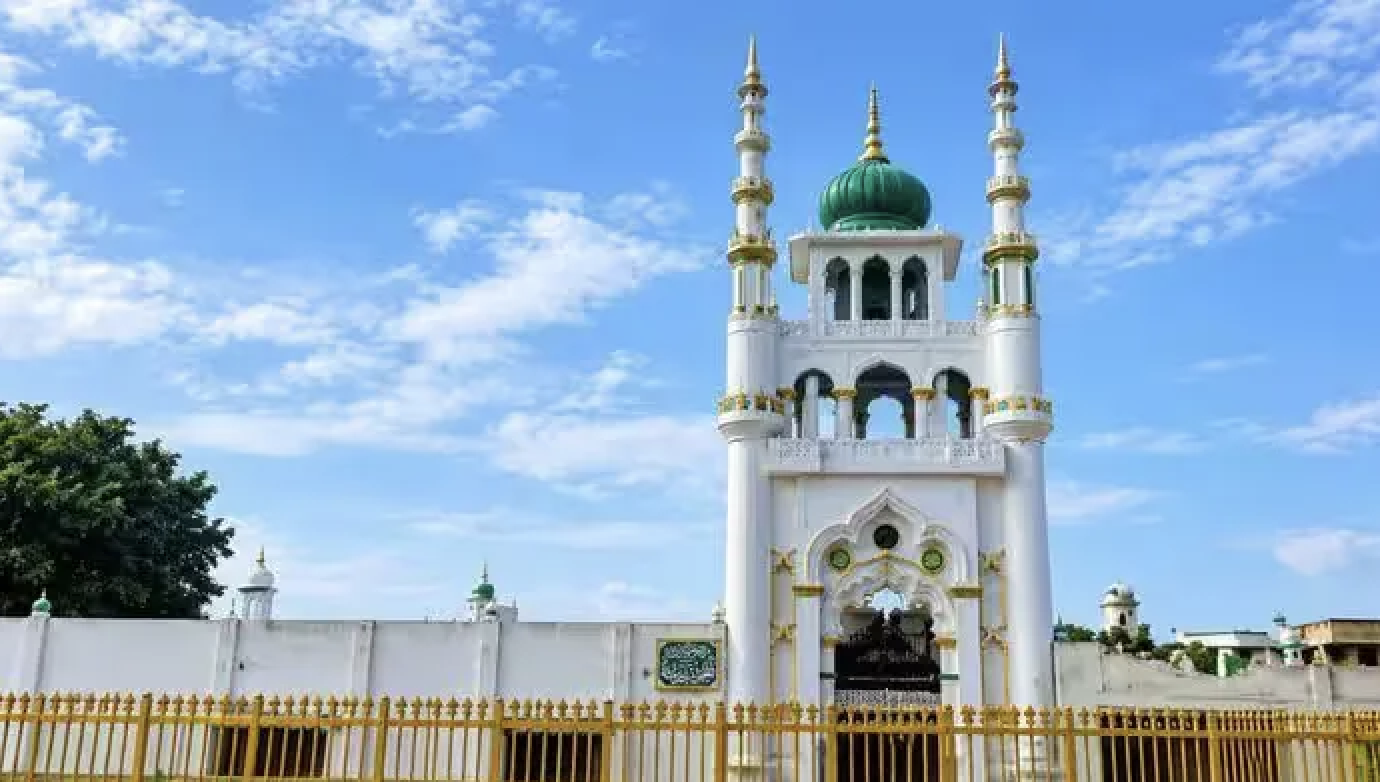

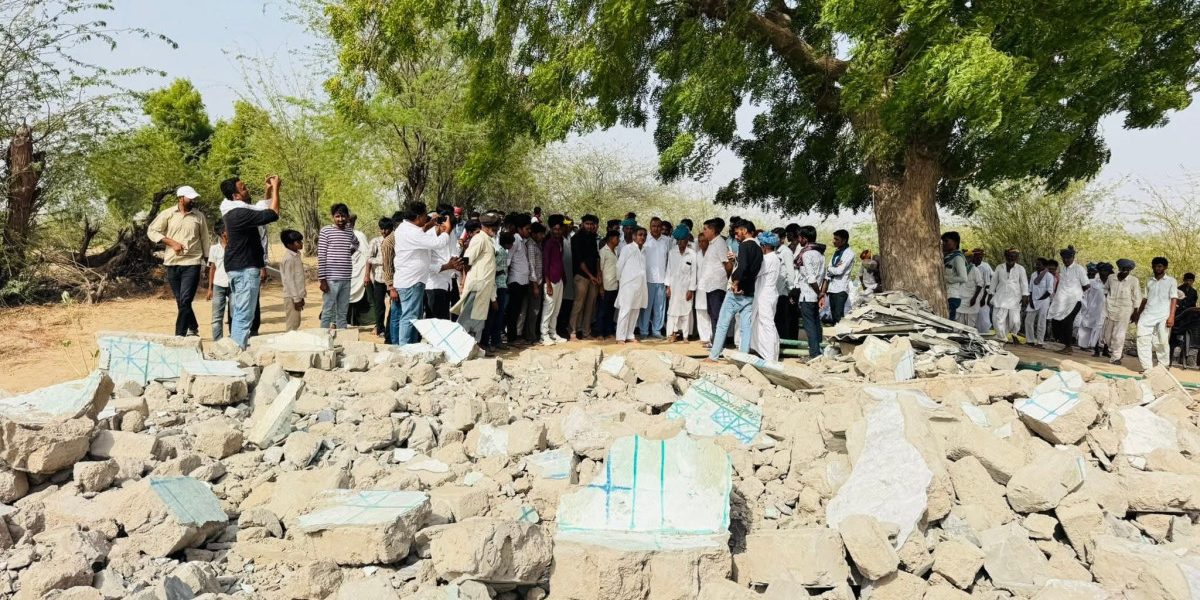
New Delhi: Days after Union Home Minister Amit Shah ordered the removal of unauthorised constructions within 15 km of the India-Pakistan border, a Muslim religious site in Malana village of Barmer district was demolished on June 18, triggering sharp political backlash and reigniting fears over the erosion of communal harmony in one of Rajasthan’s most sensitive frontier districts.
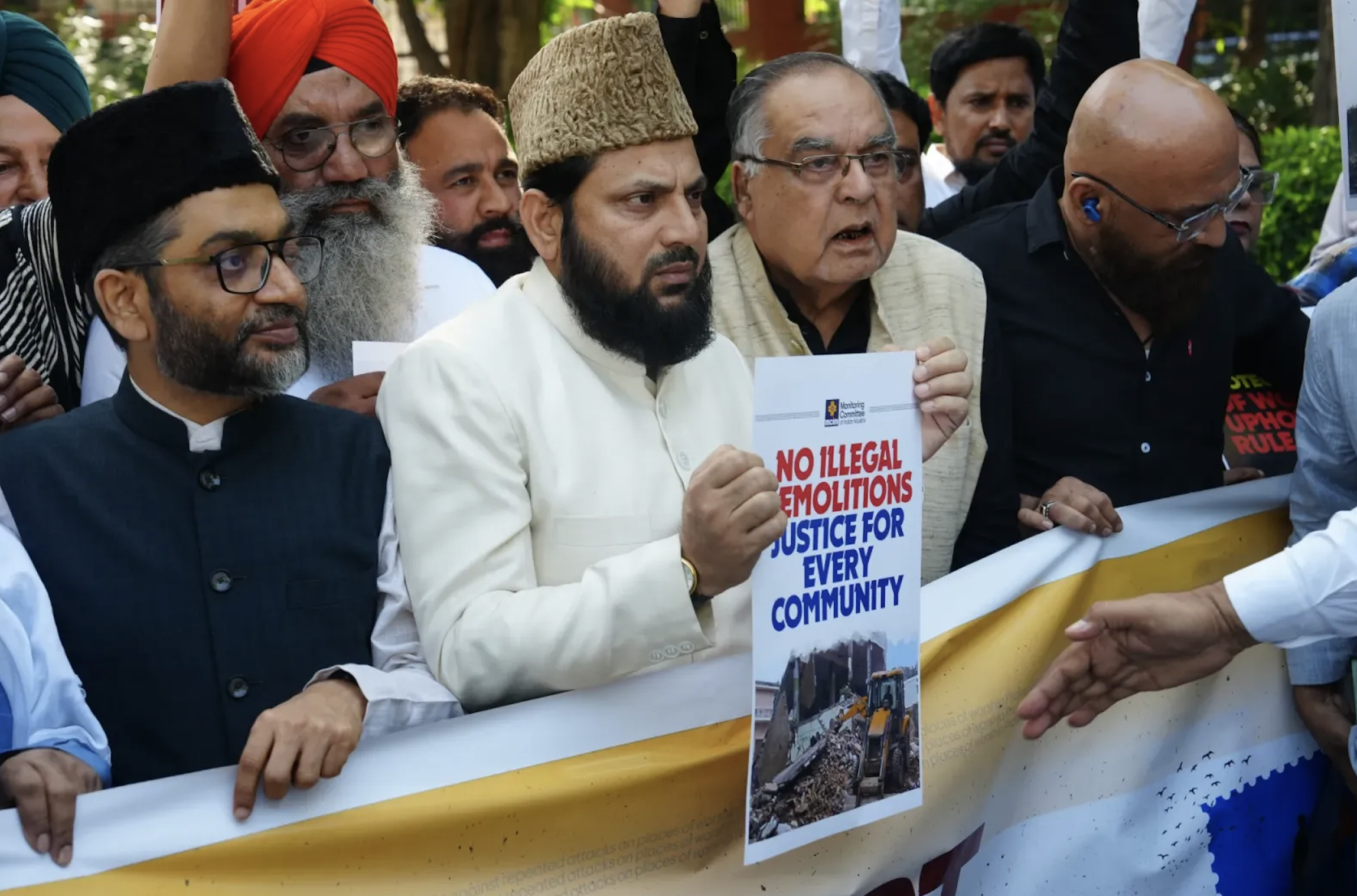
Senior Congress leader and former Rajasthan chief minister Ashok Gehlot on Sunday (June 21) accused the central government of discriminatingly targeting Muslim religious sites, saying the drive is “motivated solely by the objective of creating political polarisation and disrupting the social fabric.” The ongoing ‘anti-encroachment’ drive adds to the centre’s increasingly aggressive stance towards Muslim communities in India’s border regions.
The move follows the rollout of the contentious “detect, delete and deport” (3D) policy in West Bengal, under the Ministry of Home Affairs guidelines, heightening administrative pressure and harassing Muslim communities under the guise of detaining ‘illegal immigrants.’ The pointed developments in India’s border regions have renewed opposition allegations of a coordinated campaign by the centre to weaponise border security as a cover for communal persecution.
Following Shah’s meeting with district collectors and superintendents of police in Bikaner last month, officials conducted a special survey of districts adjoining the international border and prepared a report identifying unauthorised constructions, reported Indian Express. Shortly after, a Muslim religious site in Malana village was demolished on the premise that it was built on grazing land.
The move spurred widespread controversy, drawing criticism from opposition parties on grounds of religious favouritism. In a social media post tagging Shah, Gehlot wrote, “the government has begun identifying and demolishing religious sites belonging to the Muslim community in Rajasthan’s border areas adjoining Pakistan, under the pretext of removing encroachments.” He added that decades-old historical sites were also being targeted as part of this “coercive action.”
Gehlot noted that the area has been home to a myriad of religious communities who have been cohabiting the region without any recorded communal tension. Places of worship were interconnected and respected by all members alike, enjoying the same legal status. He claimed that a plethora of mosques in the area had been cared for by Hindu community members for years and the “vocal opposition by local Hindus to this one-sided administrative action is itself a unique example of the deep communal harmony that exists here.”
This story was originally published in thewire.in. Read the full story here.