
By Team Clarion
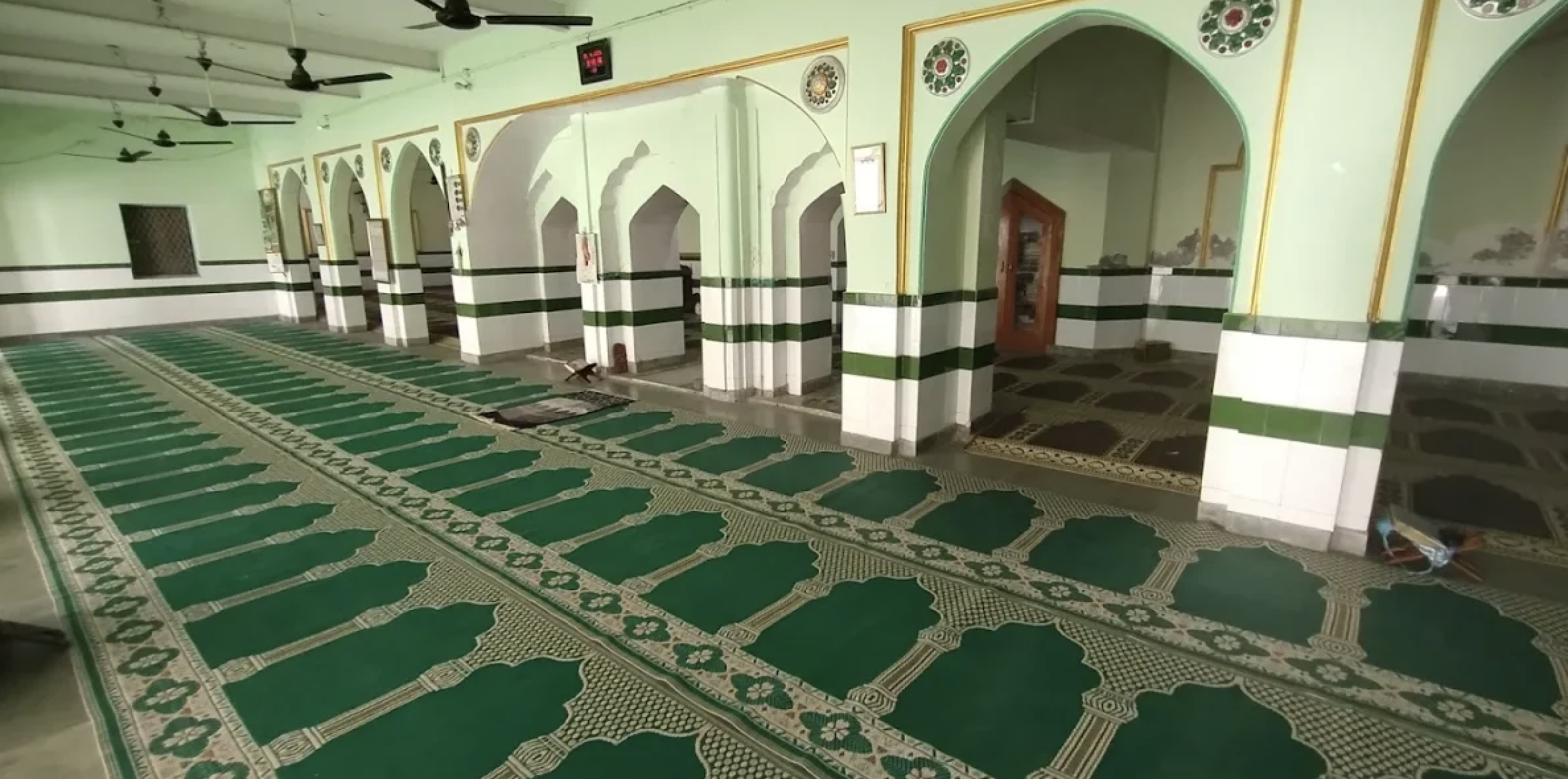
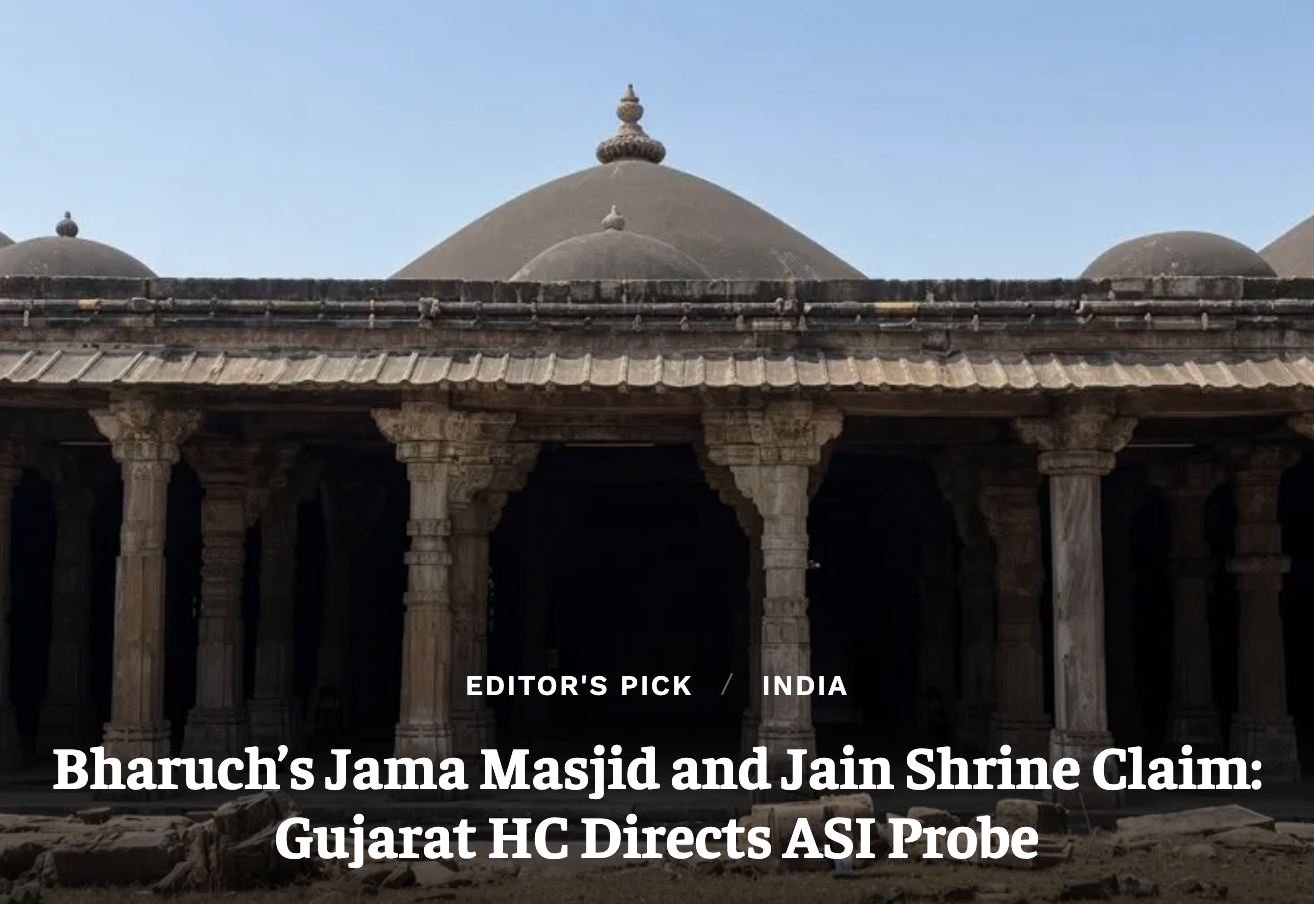
BHARUCH — A dispute over the history of Bharuch’s centuries-old Jama Masjid has entered a new phase after five petitioners approached the Gujarat High Court, claiming the protected monument was once a Jain religious site. The court has asked the Archaeological Survey of India (ASI) to examine the matter and has sought a response from the Union government.
The petitioners want the building declared a Jain temple and seek protection for an image they identify as that of Mallinath, the 19th Jain Tirthankara. They also seek permission to worship at the site, arguing that the structure was formerly known as Ashwabhod Tirth and Shakunika Vihar.
The claims have not been established by a judicial finding. The mosque is under ASI control and is used for Muslim prayers, while a separate claim over its origins has been advanced by the Maharashtra-based Mahanubhav sect, which says the site was the birthplace of its founder, Chakradhar Swami.
Petition Cites Carvings and ‘ídols’
The five petitioners include Delhi residents Harishankar Jain and Rahul Diwan, along with three others. Their plea reportedly refers to carved features and figures on the building, including depictions of elephants, horses and dancing women, which they argue are consistent with an earlier Jain religious structure.
The petition also states that the ASI declared the Jama Masjid a protected monument in 1909 and that it is listed among buildings of national importance. The petitioners argue that its status under the Ancient Monuments and Archaeological Sites and Remains Act, 1958, means its existing character cannot lawfully be altered.
Harishankar Jain told Media Gujarati that he was pursuing legal cases seeking the restoration of temples at several sites across India. He alleged that temples had been demolished in the past and mosques constructed in their place, and asserted that Bharuch’s building was originally a Jain temple.
Jain also claimed that photographs attached to the petition showed religious figures and that numerous idols remained in a basement beneath the mosque.
This story was originally published in clarionindia.net. Read the full story here.