
For decades, winter announced itself at the doorsteps of people in the Indian plains with the arrival of Kashmiri shawl sellers — walking, cycling, or ferrying through the streets with shoulders bent under sacks of finely crafted shawls. They were never just salesmen. They carried with them a whiff of Kashmir itself — pashmina from the banks of the Jhelum, carpets from the uplands of Gulmarg, echoes of the lanes of Zaina Kadal, and the warmth of a valley many knew only through their presence.
Traditionally, most families would have ‘their own’ Kashmiri shawl seller, bound by years of trust and familiarity, the relationship feeling less like a transaction and more like a distant relative’s annual visit. The opening of the sack brought a hush of anticipation, eyes lighting up as vibrant shawls and winterwear were spread out, turning the moment into one of shared wonder. They remembered preferences, understood tastes, and spoke with the ease that comes from long acquaintance, often inviting families to visit Kashmir and promising to host them like old friends. For many who never set foot in the valley, these visits were how Kashmir entered our homes — folded into shawls, wrapped around shoulders, and gently stitched into the fabric of memory.
All of this, however, stands to change because hate, hostility and violence have come to define our public spaces and public discourse, casting shadows of fear where there once was warmth and trust.
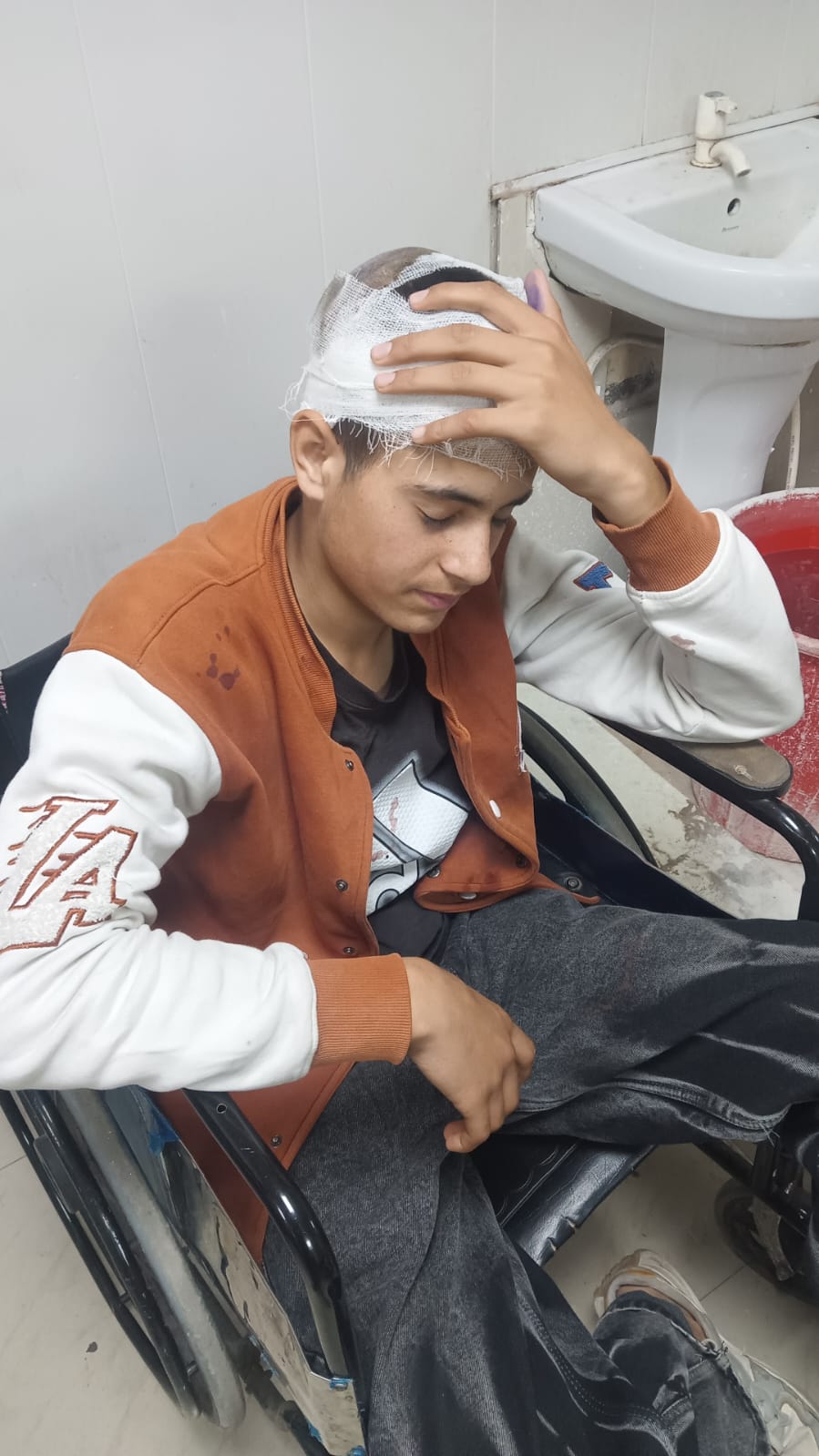
“There have been so many incidents of Kashmiri shawl sellers being attacked and heckled in the last few weeks. News of such attacks are circulating in our circles. They are also reaching our families back home. A deep sense of fear has been instilled in us. It is heartbreaking that we are scared in our own country and intimidated by our fellow citizens. Kashmir is part of India, and we are just as Indian as anyone from other states. Why do we need to prove our loyalty by presenting documents or chanting slogans? In the winter, our hometown is blanketed in snow, and we have to work in other states to earn a living. However, incidents like these make things increasingly difficult for us,” Jehangir Ahmad from Kupwara, who was physically assaulted by a man in Dehra Gopipur town in Kangra, Himachal Pradesh, in late December, told Alt News.
Alt News traced at least 14 reported attacks on Kashmiri shawl sellers in north Indian states between December 14 and February 1. When we reached out to the victims, their traumatic tales revealed a troubling pattern: In almost every case, the vendors were asked to produce identity documents and prove their patriotism by chanting ‘Bharat Mata Ki Jai’ or ‘Jai Sri Ram’. Those who hesitated, faced further heckling and accusations that they were not “true Indians”. In some cases, the hostility spilled over into physical violence. In each case, their Kashmiri Muslim identity became a flashpoint. Alarmingly, in several instances, police advised the victims against filing formal complaints.
This story was originally published in altnews.in. Read the full story here.