
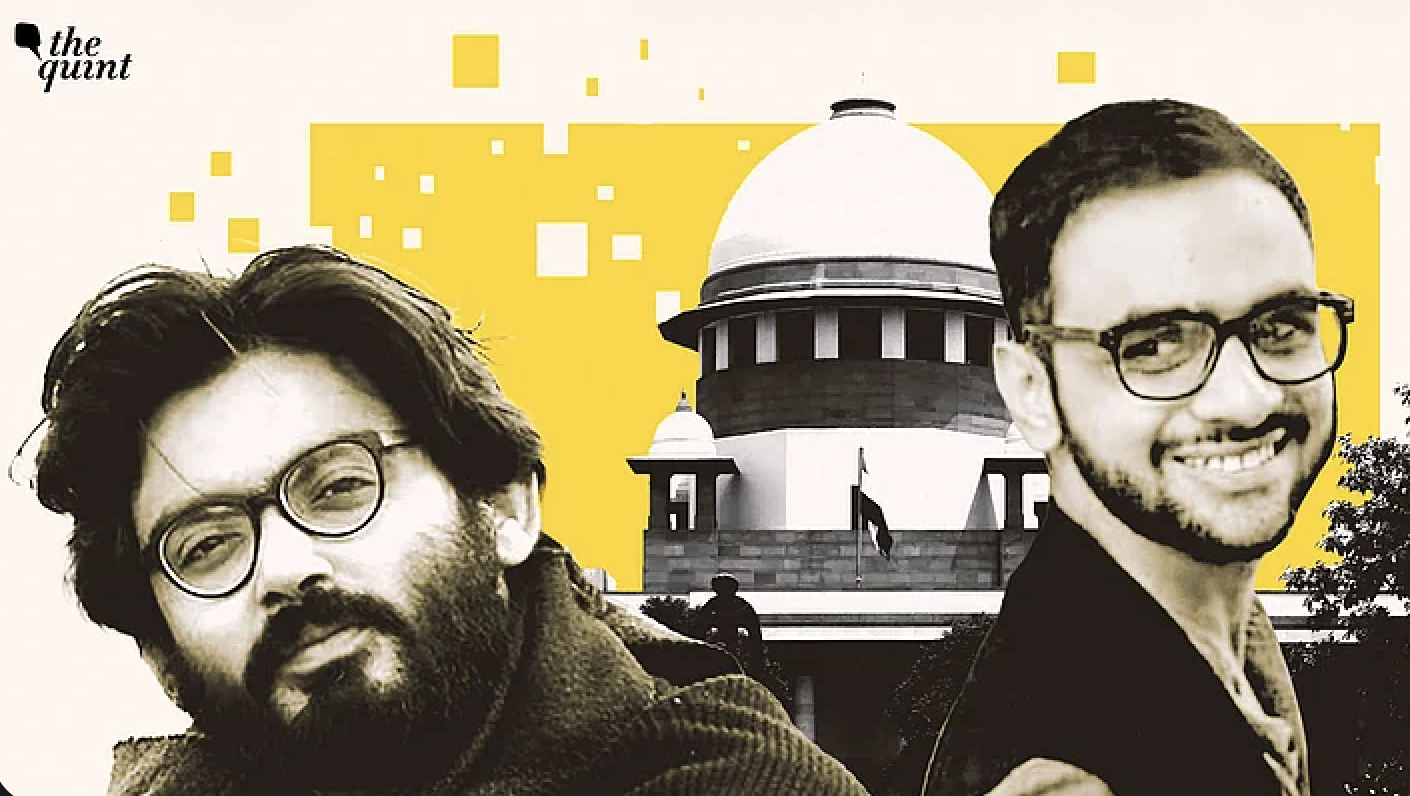
On 5 January 2026, the Supreme Court delivered its judgement in the bail applications of the Delhi Riots larger conspiracy case i.e, Gulfisha Fatima vs State (Govt of NCT of Delhi) and others. While granting bail to Gulfisha Fatima, Shifa ur Rehman, Meeran Haider, Shadab Ahmad and Salim Khan, the Court dismissed the bail pleas of Umar Khalid and Sharjeel Imam.
This judgement, cloaked in the language of judicial restraint and statutory rigour, represents a profound departure from the Court’s own foundational principles governing liberty, speech, and the limited scope of judicial inquiry at the bail stage. By accepting the prosecution’s expansive narrative of a “phased conspiracy” at face value and deeming the statutory embargo of Section 43D(5) of the Unlawful Activities (Prevention) Act (UAPA) as an almost insurmountable barrier, the Court has effectively elevated the state’s accusation over the constitutional presumption of innocence.
This reasoning, which conflates political mobilisation and protest rhetoric with the “foundational” architecture of terrorism, does more than deny two individuals their liberty; it undermines settled jurisprudential safeguards.
This story was originally published in thequint.com. Read the full story here.