
By Harsh Mander
New Delhi: It is not as though bulldozers—large motorised trawlers with metal blades in front that can both carry construction materials and destroy homes—are recent entrants into India’s governance landscape, nor have they only now been co-opted as emblems of decisive governance.
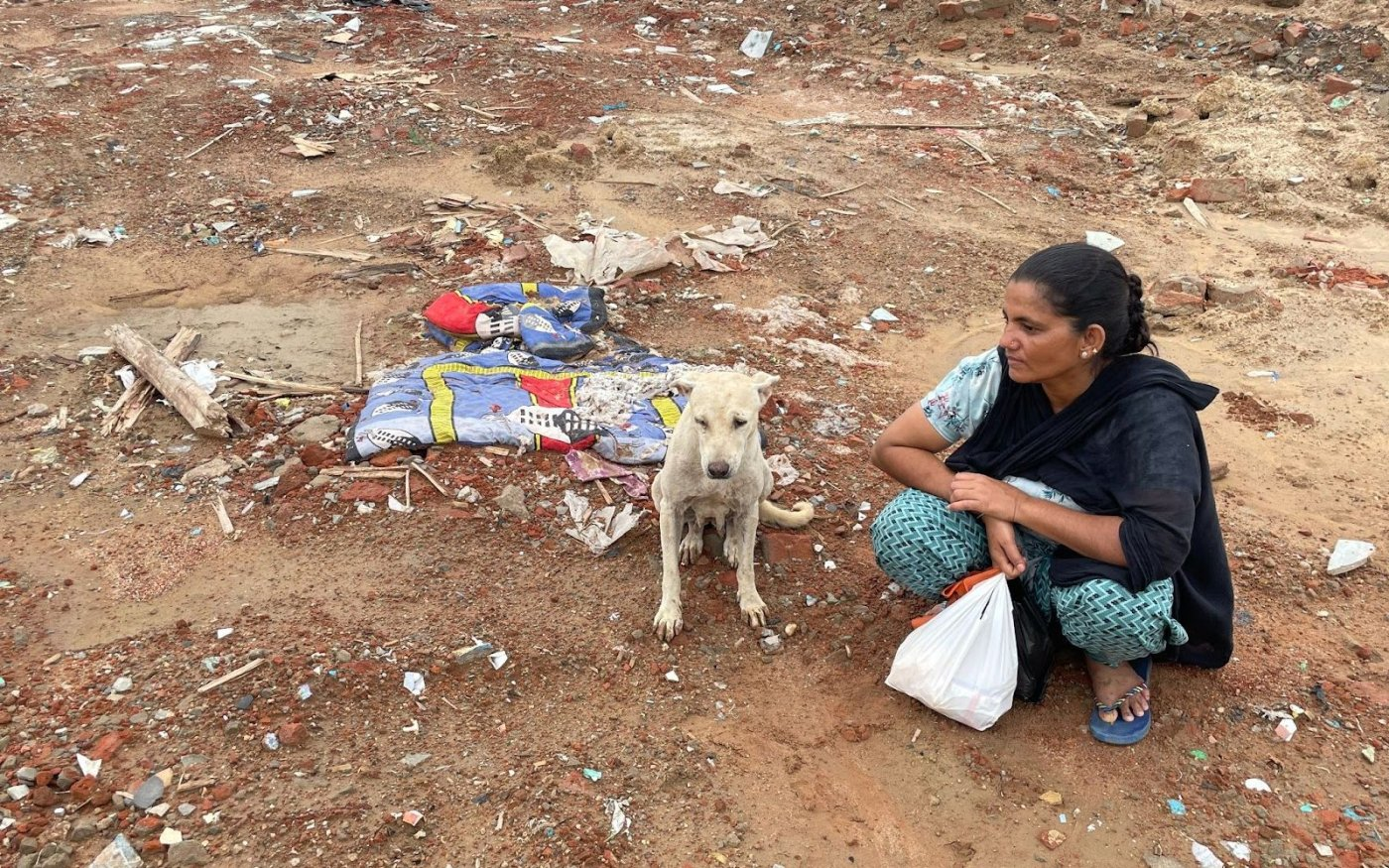
For decades, the bulldozer has been an abiding source of trepidation and fear for city dwellers living in informal settlements or vending on street pavements. Those living in slum and pavement homes or street vendors are forced to live and work in a zone of enduring illegality because of exclusionary city management policies and plans.
Too often, with little or no notice and no alternative living and work arrangements, the bulldozers arrive and destroy in minutes their entire life savings. Many court rulings over the years (here, here and here) have prescribed a more humane process of giving sufficient notice to the resident or vendor of the shanty or pavement, and the establishment of viable survival alternatives.
These orders are rarely obeyed in spirit, or even in letter. The more fundamental problem with this vintage form of bulldozer “justice” is that these have done nothing to reverse the profound inequities of city planning that exclude the working poor from lawful inclusion.
We are seeing in recent years in India, under the stewardship of Prime Minister Narendra Modi, a massive rise in demolitions. The Housing and Land Rights Network (HLRN), a legal advocacy group, reported a rising trend of evictions between 2017 to 2023, with over 1.68 million people affected.
The number of evictions across India has steadily risen from 107,625 in 2019 to 222,686 in 2022 to 515,752 in 2023—in other words, a 379% increase over five years. The data also reveal that 89% of those whose homes were demolished over 2022 and 2023 were either Muslim, scheduled tribe, scheduled caste or other backward class.
Escalating Cruelty & New Targets
As in the past, the reasons given by the state for forced evictions range from plans for smart city initiatives, road expansions, highways and infrastructure and forest protection, and sometimes more vaguely just “clearing encroachments” or “city beautification”.
This story was originally published in article-14.com. Read the full story here.