


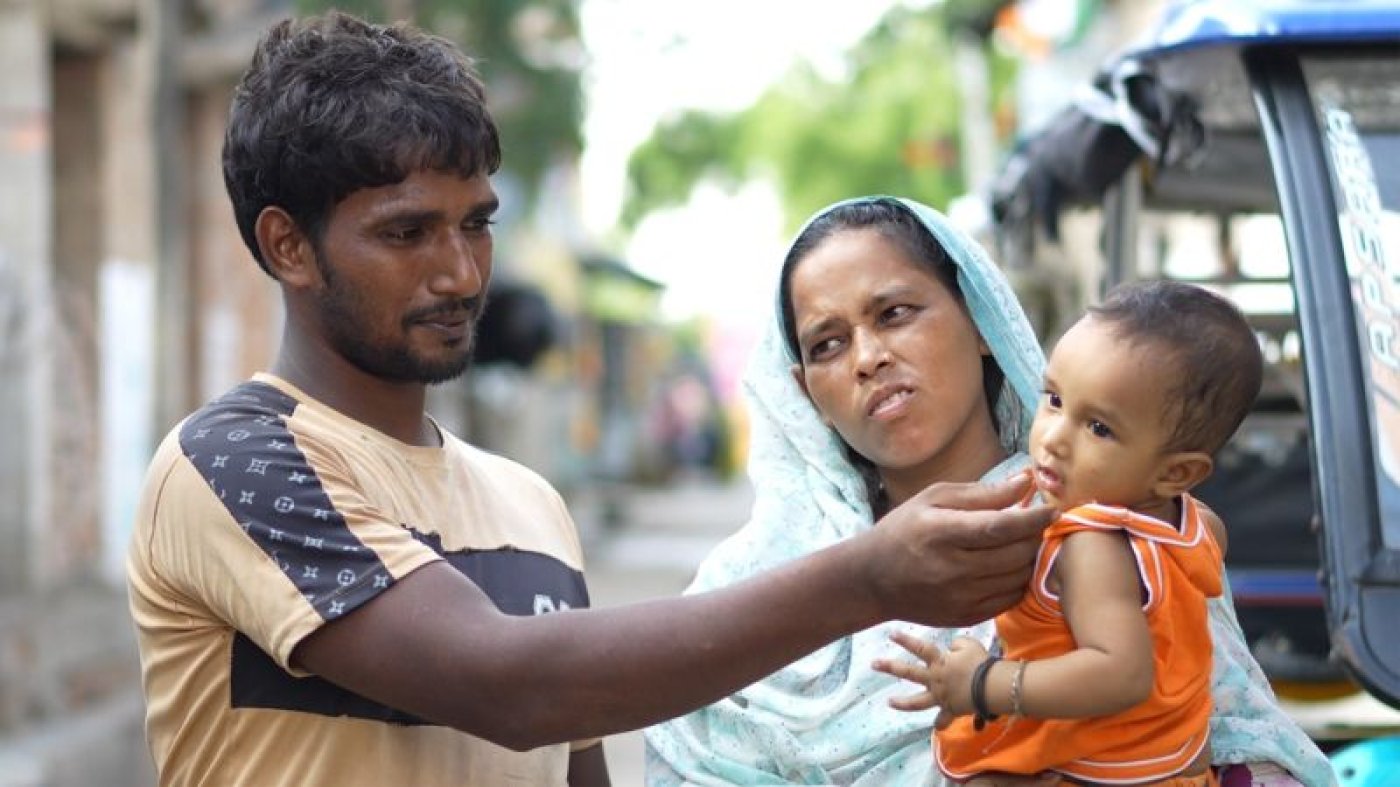
Kolkata: Dozens of flashlights illuminated the darkness at 10.30 pm on 8 July 2026 when Sweety Bibi and her two sons, 17 and 7, reached their home in southwestern West Bengal.
Outside their brick-and-clay home with a tiled roof, relatives and neighbours waited. About a kilometre away, a similar crowd had gathered at another home, waiting for Danish Sekh.
It was a homecoming worth celebrating.
Sweety, Danish and the two boys had returned after spending a year in Bangladesh, deported from India for what courts later suggested may have been no fault of their own.
Danish’s wife, Sunali Khatun, had been deported with them. But she and her 8-year-old son had been allowed to return six months earlier, leaving her to endure months of anxiety over her husband’s fate.
“May it never happen to anyone else,” Sunali told Article 14 in December 2025.
The ordeal haunted Sunali. She was plagued by nightmares of wandering through forests in Bangladesh without food or water, days passing without seeing another human being.
When the families reunited on 8 July 2026, they were still struggling to comprehend the events of the previous year.
Sweety was tired and angry when Article 14 spoke to her. “Isn’t it absurd that someone can just be picked up and thrown out of the country purely on a whim?” she said. “I still can’t believe this really happened.”
The courts would later question how the deportations were carried out. Detained by Delhi police on 21 June 2025 as suspected Bangladeshi migrants, the six were expelled from India within days despite insisting they were residents of West Bengal.
Their families were not informed. Authorities did not verify their citizenship claims before deportation. Official records identified them as residents of a Bangladeshi village that neither they nor subsequent inquiries could locate.
This story was originally published in article-14.com. Read the full story here.