

By Sabah Gurmat
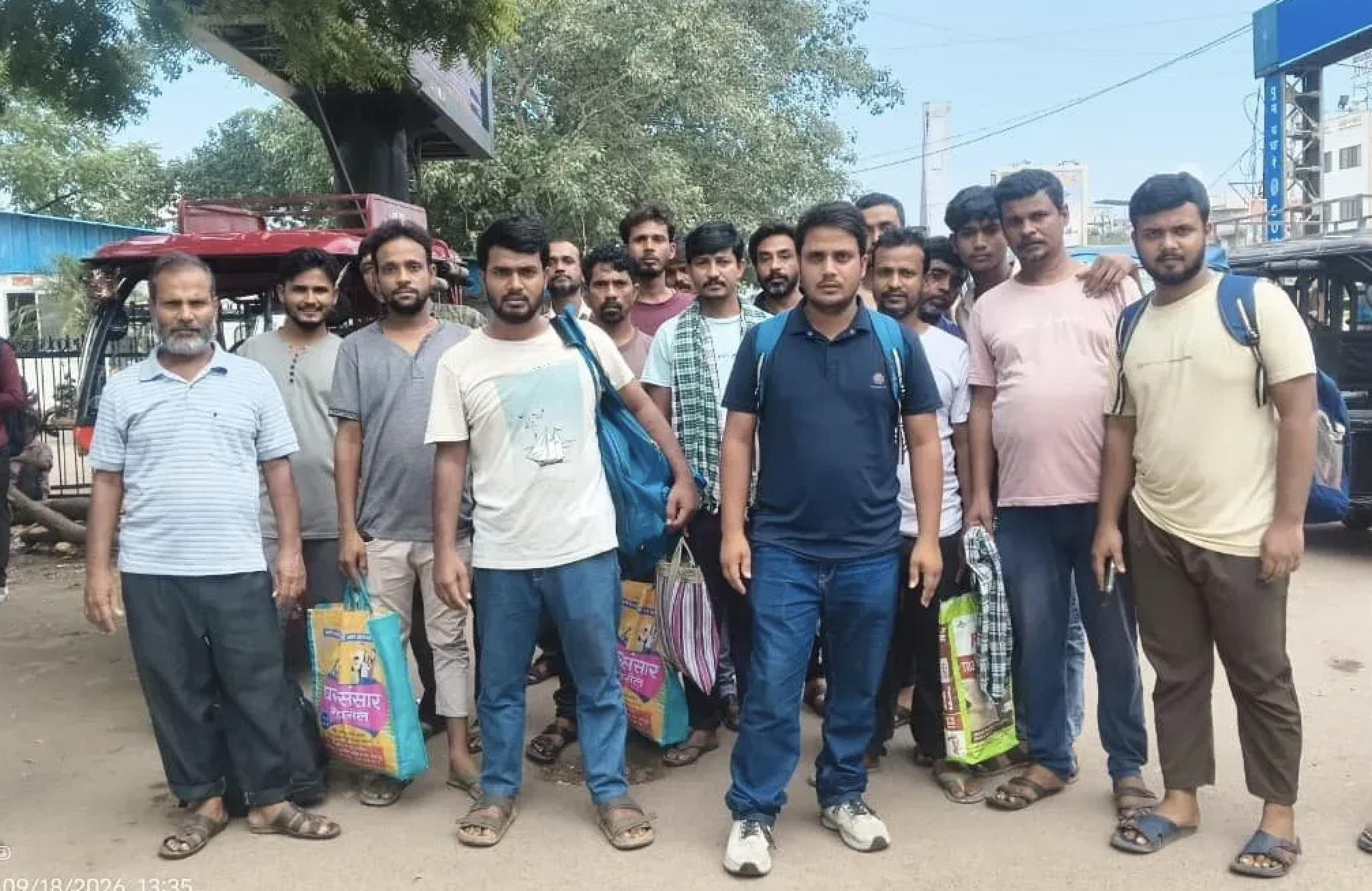
New Delhi: In April 2026, thousands of factory workers in Noida’s industrial belt walked away from assembly lines to demand higher wages and better working conditions, following similar protests in Manesar and Panipat.
Noida is one of north India’s major manufacturing hubs, with about 12,000 industrial units employing an estimated 1.3 million people, according to the district administration. Its factories produce garments, electronics and automotive components.
“The protests were spontaneous,” said Rakhi Sehgal, an independent labour researcher and trade union activist of more than two decades. “There were separate triggers in Manesar and Panipat in Haryana, which spread into Noida as well.”
The Noida protests spread to 80 locations after workers at a Honda scooter and motorcycle manufacturing plant in Manesar raised demands for higher wages. The agitation then spread to other automobile plants and nearby garment companies.
“The trigger for the protests in Noida was the agitation that had just taken place in Manesar, where the Haryana government announced a wage hike after 11 years,” Sehgal said.
“Wages were, of course, a trigger, but it was also this humiliation. The degradation of their identity. The cost of living—sparked also by the fuel crisis amid the war on Iran—was another factor,” she said. “They were coming to work hungry, and companies also withdrew canteen food in many instances. There were many strands of frustration boiling over.”
Workers across skill categories were earning Rs 11,000 to Rs 14,000, and more than 40,000 began protesting for higher wages.
This story was originally published in article-14.com. Read the full story here.