
By Saba Naqvi
I am in a cab in the Awadh region of Uttar Pradesh, where our family village home is located. Ayodhya is 100 km away, the road signs say. The vehicle is clean, the driver courteous and clearly deeply religious. His telephone declares “Jai Shri Ram” a thousand times during our drive because it is set not as the ringtone (very common in this Gangetic-belt State) but as the SMS and WhatsApp alert. Every second, a sweet, childlike voice trills out “Jai Shri Ram”.
I naturally asked him how he felt about the missing donations in the Ram mandir case. “I am deeply disturbed and heartbroken,” he said, “that this should be done inside the mandir dedicated to Maryada Purshottam Bhagwan Ram.” Maryada means righteousness and adherence to duty and Purshottam means the supreme or ideal person that is Lord Ram, the king who would return to Ayodhya after 14 years of exile. For the believer, it is this ideal God-King who has been violated by the very people mandated to keep the faith.
The scam will have consequences that will play out over time in different ways. There are psychological, cultural, political, and civilisational dimensions to what is coming to light. Such venal corruption at the very heart of the holy order will result in an inevitable loss of moral legitimacy.
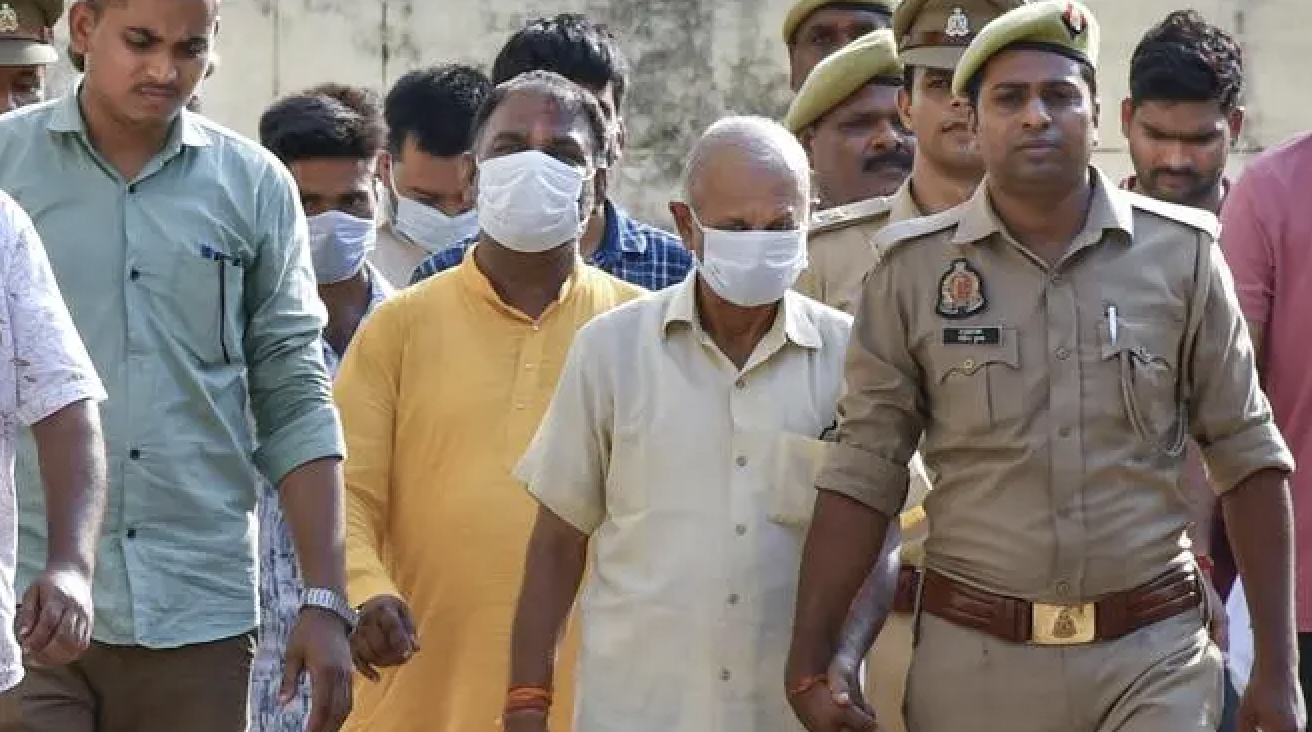
There is now finally some acceptance from stakeholders that something was very wrong, and they have sought an inquiry; some arrests have been made. But suspicion lingers about whether it was the big fish who were exposed and if the investigation is real or a cover-up.
The Ram temple at Ayodhya is the most-high profile and publicly promoted temple of contemporary India, advertised by the entire political leadership, including the Prime Minister and the Chief Minister of Uttar Pradesh. It is, therefore, shocking that those tasked with guarding people’s contributions to the temple should have brazenly stolen the donations. Everyone in Uttar Pradesh is talking about this.
Will it have political consequences? The State election is due in 2027. Remember, the BJP did lose the Lok Sabha seat (Faizabad) that houses the temple town in the 2024 national election, and when I visited soon after, among the reasons given for the defeat were that people were annoyed at being pushed around (road closures, and so on) and that the contracts for the massive construction and smaller things like eateries and diyas (lamps) were given to “outsiders”. I recall meeting Lallu Singh, the BJP’s defeated candidate from Faizabad, who said nothing beyond hinting at internal sabotage.
This story was originally published in frontline.thehindu.com. Read the full story here.