

By Biswas Baral
On the night of July 26, a Hindu procession was on its way back after collecting holy water from the Koshi River. The procession being taken out at Kaptanganj of Sunsari district in eastern Nepal was accompanied by loud music, to which some local Muslims objected. A scuffle broke out. Police got involved.
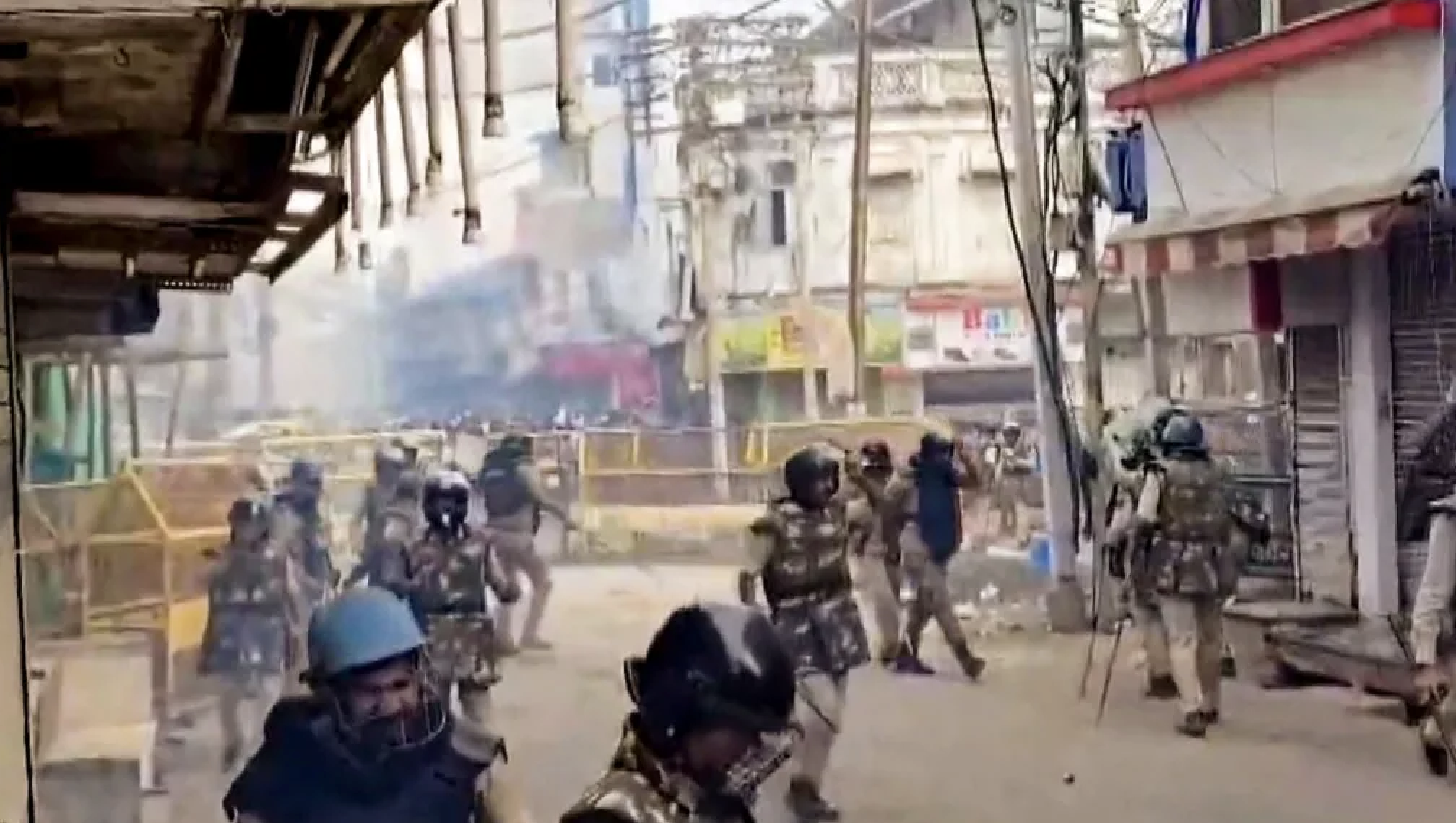
Hindu-Muslim tensions soon spread across Nepal’s Tarai-Madhesh belt, the east-west strip of land abutting India. In ensuing clashes between protesters and the police, four people died while curfews disrupted life across the region.
Such incidents follow a recognizable pattern. One newspaper investigation identified 17 Hindu-Muslim documented clashes over the past decade – with around two-thirds of them involving religious processions or idol immersions. The number of undocumented cases is undoubtedly higher.
The History
Over the past decade or so the influx of Hindutva ideas from India has been steadily stoking Hindu-Muslim tensions. Before that, these communities had mostly lived in harmony in a country where over 80 percent of people are Hindus. Muslims, by contrast, make up just 5 percent of the national population. But seldom did this small religious minority feel persecuted. After the recent devastating floods, the coming together of people from different faiths to help and pray for victims offered a glimpse of the inter-faith harmony Nepal has long been known for.
For most of its modern history, Nepal has been a de facto Hindu state. Prithvi Narayan Shah, the 18th-century founder of modern Nepal, famously described his kingdom as Asal Hindustan, or the “real Hindustan.” He wanted to build “a true home for Hindus” at a time when much of the Indian subcontinent was under Muslim rule.
The 1962 constitution promulgated by King Mahendra was the first to officially declare Nepal as a Hindu kingdom, with the divine monarch as its protector. After this, the 1990 charter introduced following a popular movement heralded a constitutional monarchy but kept the Hindu state characterization.
Things would drastically change in 2006 following the end of the decade-long Maoist insurgency and the second people’s movement. The interim constitution promulgated a year later held in abeyance the institution of the monarchy – which was later abolished by the first meeting of the Constituent Assembly – and formally declared Nepal a secular state.
Yet with the Maoists losing electoral ground in the second Constituent Assembly election in 2013, conservative forces began to reassert themselves. This is why the new (and currently operative) constitution promulgated in 2015 gave continuity to Nepal’s secular designation but added a rider: Nepali secularism would entail the “protection of religion and culture being practiced since ancient times.”
As the new charter was being finalized, the country’s secularism debate was also being closely watched in India. Hindu nationalist politicians and organizations there were openly lobbying for the restoration of Nepal’s Hindu status.
This story was originally published in thediplomat.com. Read the full story here.