
By Apoorvanand
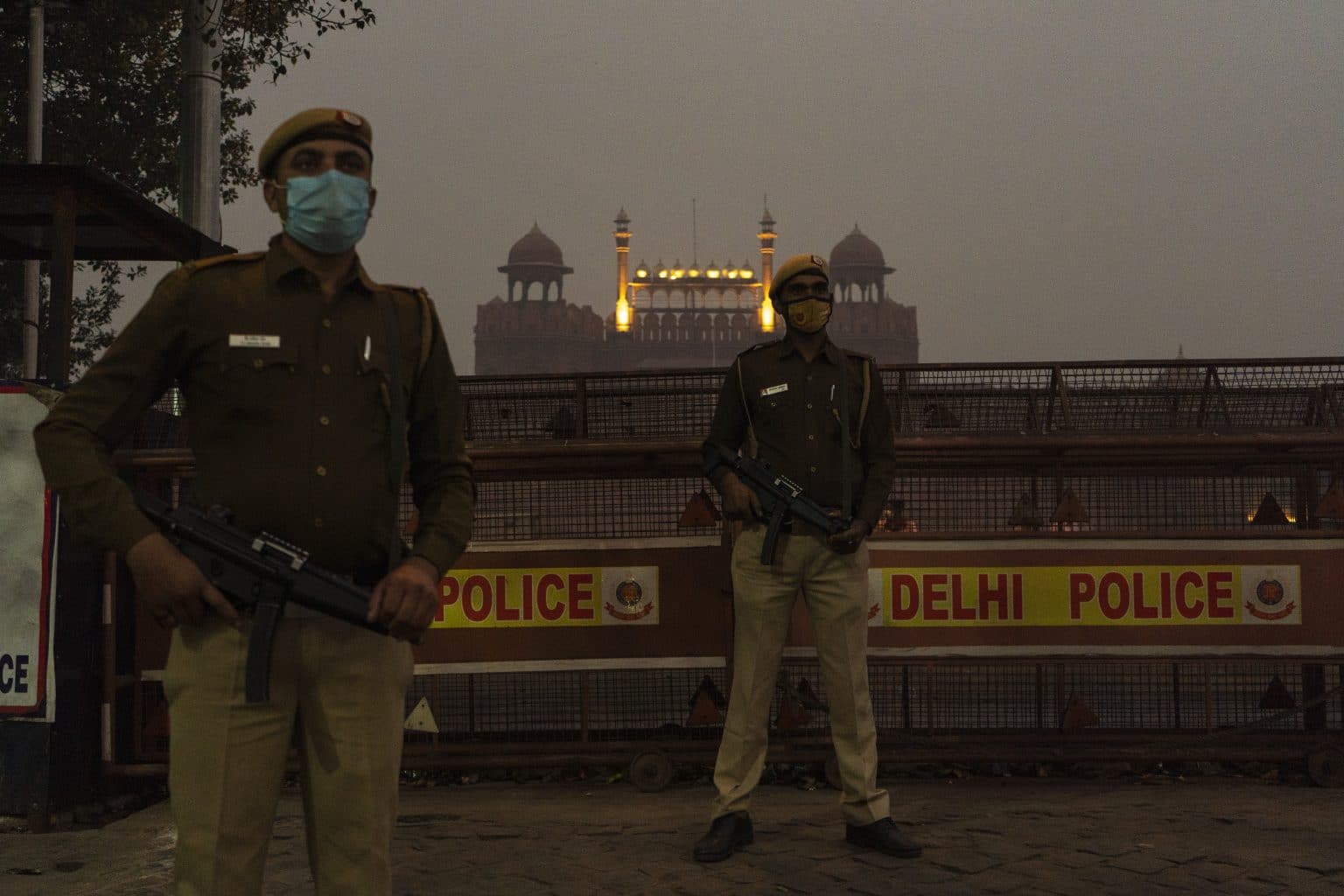
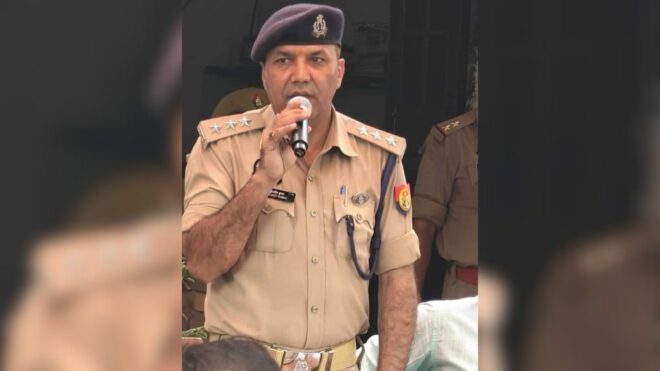
A discussion on a book about Babur was cancelled at the Bhopal Literature and Arts Festival on January 10. The author, Aaabhas Maldahiyar, is pained that the cancellation was orchestrated by those for whom—and on whose behalf—he claims to have written the book. He is upset that they did not go beyond the title and made no effort to find out the book’s content. Ironically, the word “Babur” in the title of the book, Babur: The Quest for Hindustan, written with the avowed aim of propagating Hindutva nationalism, was enough to provoke the fury of Babur-hating nationalists. Fearing vandalism from these angry nationalists, the police warned the organisers that there was a serious risk of an attack by right-wing agitators if the session were to be held. It was for this reason, to keep the peace, that the session had to be cancelled.
The author was aware that protests were being mounted in the name of Babur, but he assumed that since those objecting were his own people, the misunderstanding could be resolved amicably through conversation. But by then, the decision to cancel it had already been taken. Acting on police advice, and to avoid unrest or violence, the organisers cancelled the session on the book about Babur.
The distressed author was then left with no option except to write a letter of complaint to the supreme guardian of Hindutva, Narendra Modi. He made his long letter public on X (Twitter). In it, he complained to the Prime Minister that a newspaper had published false reports about his book, misleading the poor nationalist people, which led them to issue threats of violence. Most distressing of all, according to the author, was the fact that the Culture Minister of Madhya Pradesh also made statements against the book without having read a single page of it. In the author’s view, this episode lays bare the intellectual poverty of those in power.
What deserves particular attention in this context is that, to complain against local violent groups and a newspaper in a city, the author could think of no authority other than the Prime Minister. He could not, obviously, have addressed the Hindu groups to whom he was trying to provide intellectual weapons. But the fact that he chose the PM as the complaining authority means that he believes there is only one person who exercises control over this unthinking, violent crowd. He did not trust either the local police or the State government, only the Prime Minister. And if that is so, is this not an indirect admission that the source of this hatred and violence also lies with him? The hope, naive though it is, is that once he understands, he will rein in the violent mobs.
This story was originally published in frontline.thehindu.com. Read the full story here.