
I have lived in America for over five decades and have always identified myself as part of the diverse, vibrant, multi-faith “Indian American” community. I don’t recall ever having to wear my Hindu faith on my sleeve, except on explicitly religious occasions. For decades, “Indian American” federations looked out for our political and business interests; cultural groups kept us connected with our linguistic and regional roots; and local faith groups catered to our religious and spiritual needs.
All that began to change in the nineties, when Hindutva (aka Hindu supremacist/Hindu nationalist) organizations emerged from the shadows, proclaiming that their mission was to unify and serve ‘Hindu interests’ in America. In reality though, their work amounted to pitting Hindus against other Indian Americans at every possible opportunity, in consonance with the ongoing mission of Hindutva in India to establish an exclusive Hindu Rashtra (Hindu Nation), where other communities would at best be second class citizens.
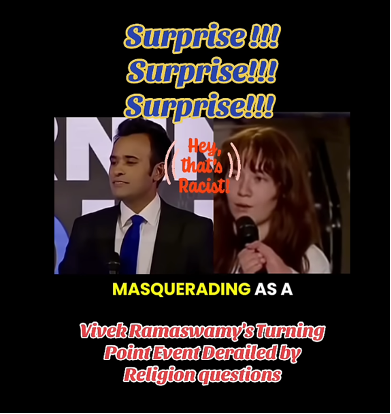
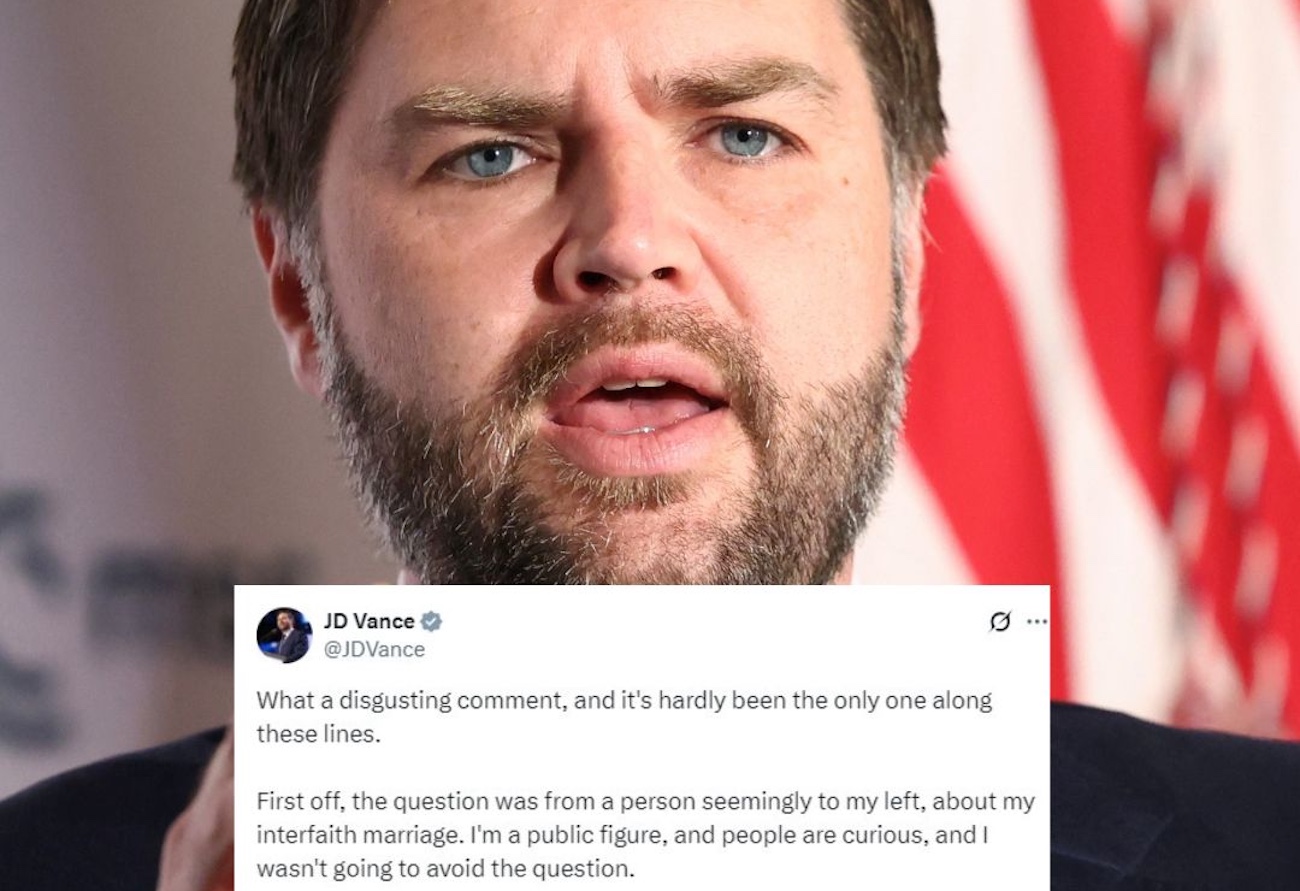
Vice President J.D. Vance responds to HAF
Today, many U.S. politicians view “Hindu Americans,” which includes Hindu immigrants from many countries, as a well-heeled national constituency, worthy of cultivating. As a result, the U.S. Congress now has a “Hindu Caucus,” primarily representing the priorities of Hindutva organizations, while the “India Caucus,” started in 1993, is the largest in the U.S. Congress, and it continues its focus on strengthening U.S.-India relations and helping Indian Americans.
In my opinion, the presence of two India-centric caucuses in Congress, supporting potentially conflicting ideologies, plays right into Hindutva’s mission of dividing the Indian American community. Also, In the highly vitiated public space today, any airing of differences of opinion on India/Diaspora policy could feed into the hate campaigns of the far right (White/Christian supremacy and MAGA).
This story was originally published in americankahani.com. Read the full story here.