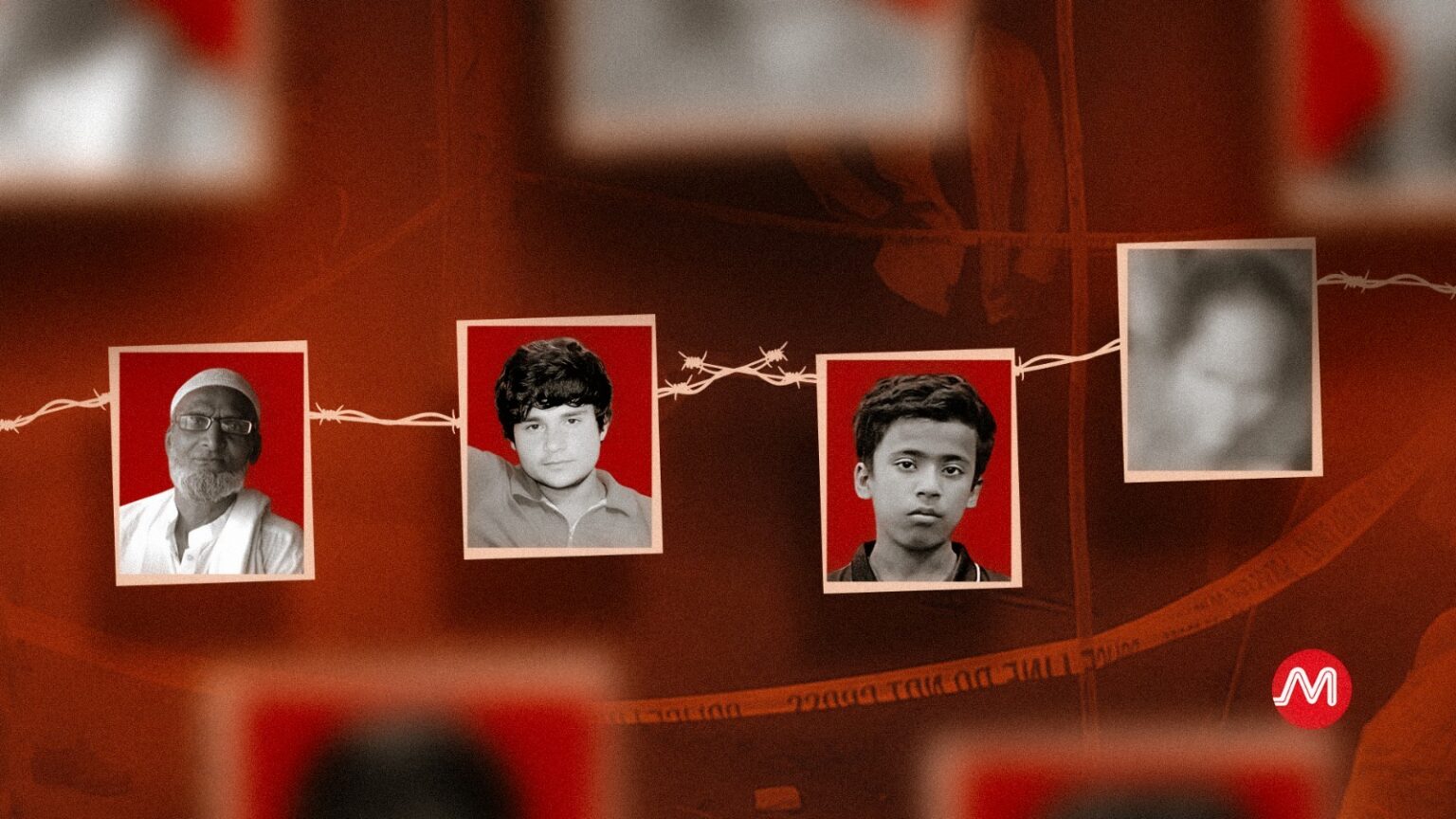

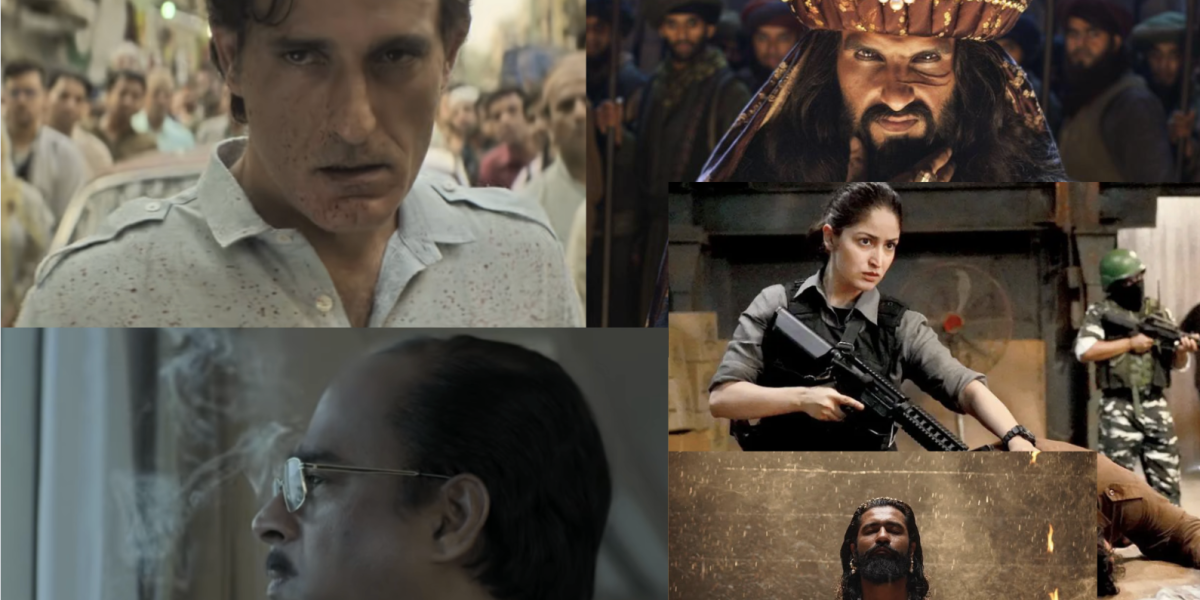
Cinema has never merely reflected political life; it has functioned as one of its most efficient laboratories. From its earliest mass forms, cinema has been a technology for organising affect, disciplining perception, and training populations to recognise themselves as “a people”. To ask whether films respond to public conscience or actively shape it is therefore to misrecognise their historical function. Cinema operates dialectically: it draws upon pre-existing anxieties and resentments, but reorganises them into a moral and emotional grammar through which power becomes sensible, violence becomes ethical, and domination becomes common sense.
What distinguishes cinema from other ideological forms, however, is not simply its capacity to persuade, but its capacity to prepare – to create affective conditions under which violence becomes statistically predictable without ever being explicitly instructed. In this sense, cinema must be understood not only as an ideological apparatus but as a stochastic infrastructure: a cultural technology that increases the probability of violence by unaffiliated individuals through repetition, saturation, and moral cueing, while preserving plausible deniability for its producers.
Stochastic terrorism operates precisely in this register. It does not issue commands or coordinate action. Instead, it repeatedly identifies target populations as dangerous, culpable, or historically guilty; frames violence against them as defensive, restorative, or overdue; and floods the public sphere with narratives that lower moral inhibition. No single film causes an attack. Yet across time, the outcome becomes predictable. Violence appears spontaneous, individualised, and aberrational – while being structurally produced.
Cinema is uniquely suited to this function. It does not argue, it interpellates. It does not explain, it teaches bodies how to feel – whom to mourn, whom to fear, whom to disregard, and whom to kill. Through spectacle, rhythm, repetition, and identification, cinema converts abstract antagonisms into visceral certainties. It does not tell the spectator what to think; it trains the spectator in how violence should feel when it arrives.
This story was originally published in thewire.in. Read the full story here.