
By Betwa Sharma
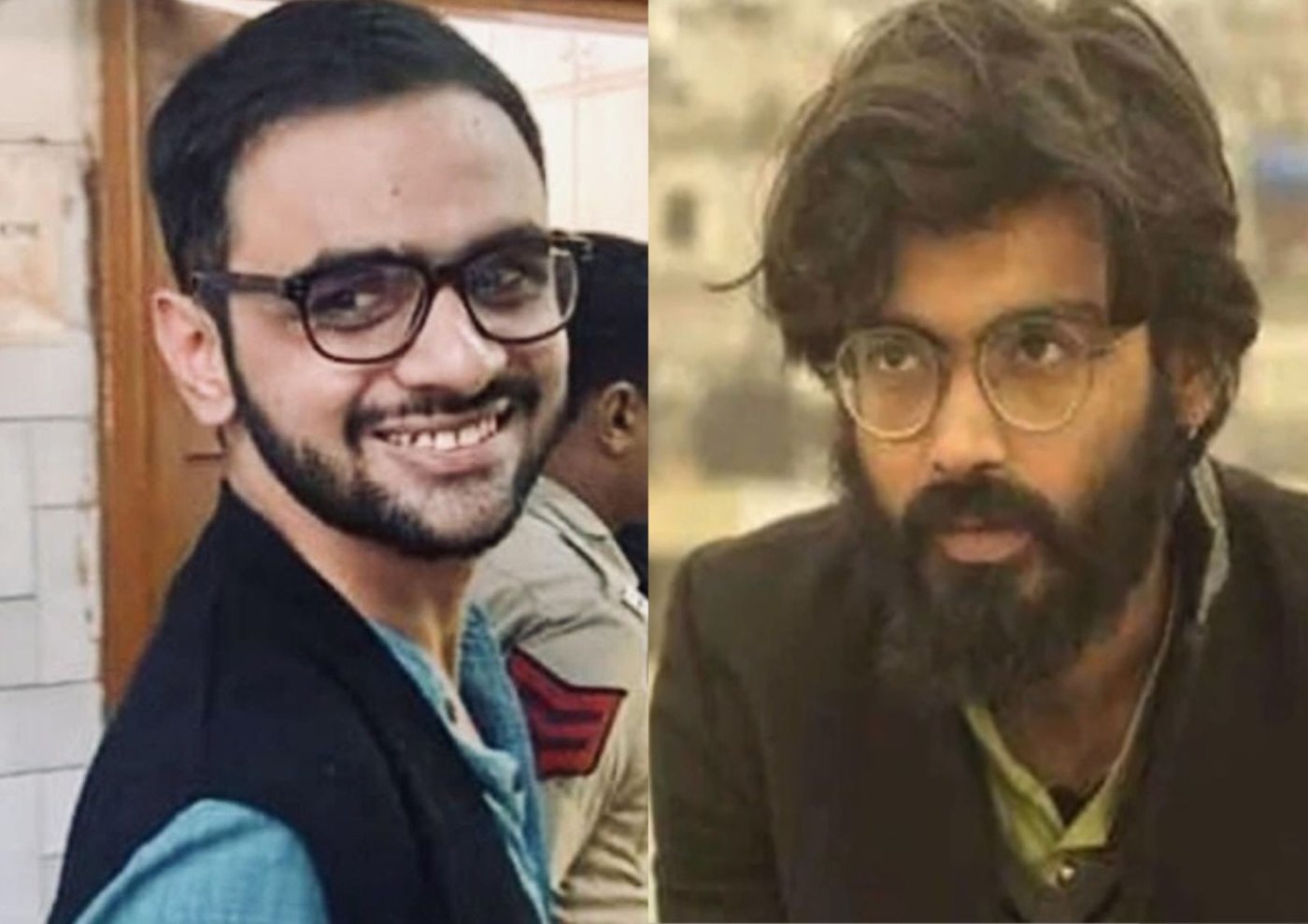
Delhi: Even though the State was caught lying, relied on a discredited witness, and hasn’t produced any physical evidence, the Supreme Court refused bail to Muslim activists Umar Khalid and Sharjeel Imam, who have been jailed without trial for over five years in what the police call the larger conspiracy case of the Delhi riots.
With no reason to find a prima facie case against them, and no credible threat to the police’s protected witnesses if they were released, it seems the Supreme Court is allowing the State to punish Indian Muslims indefinitely for speaking out against Islamophobia and persecution, and for voicing their fears.
Khalid, a PhD from JNU, and Imam, an engineering graduate from IIT Delhi, can renew their bail applications only after the examination of the protected witnesses, or in a year.
That means Khalid, 38, would have spent over six years in jail, while Imam, 37, will be approaching seven years, since he was arrested as early as 28 January 2020 for the speeches he gave against the Citizenship Amendment Act (CAA), 2019.
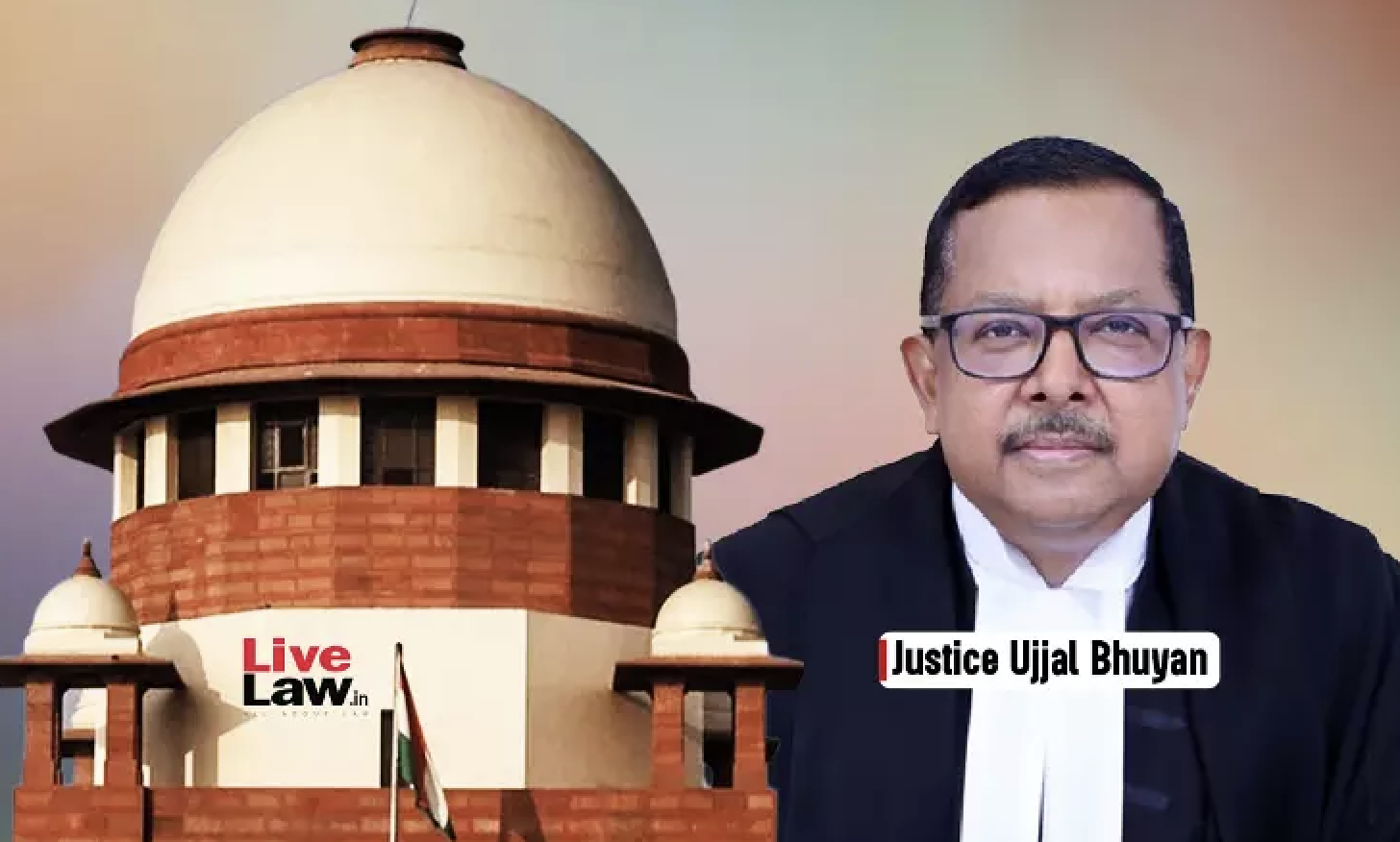
Perhaps it is not five years, but the passage of six or seven years for Justices Aravind Kumar and NV Anjaria to conclude that the accused have spent an unreasonably long time in custody without a finding of guilt, enough to constitute a violation of their right to life and liberty.
In an extraordinary observation in the bail judgement delivered on 5 January 2025, the judges said they were not persuaded that the “continued detention has crossed the threshold of constitutional impermissibility so as to override the statutory embargo” placed on bail under the Unlawful Activities (Prevention) Act (UAPA), 1967, India’s counterterrorism law.
This way of thinking has profound implications for other cases that rely on fabricated, dubious, or thin evidence. It also raises questions about the Supreme Court’s ability—or willingness—to follow its own more liberal, rights and justice-oriented rulings.
This story was originally published in article-14.com. Read the full story here.