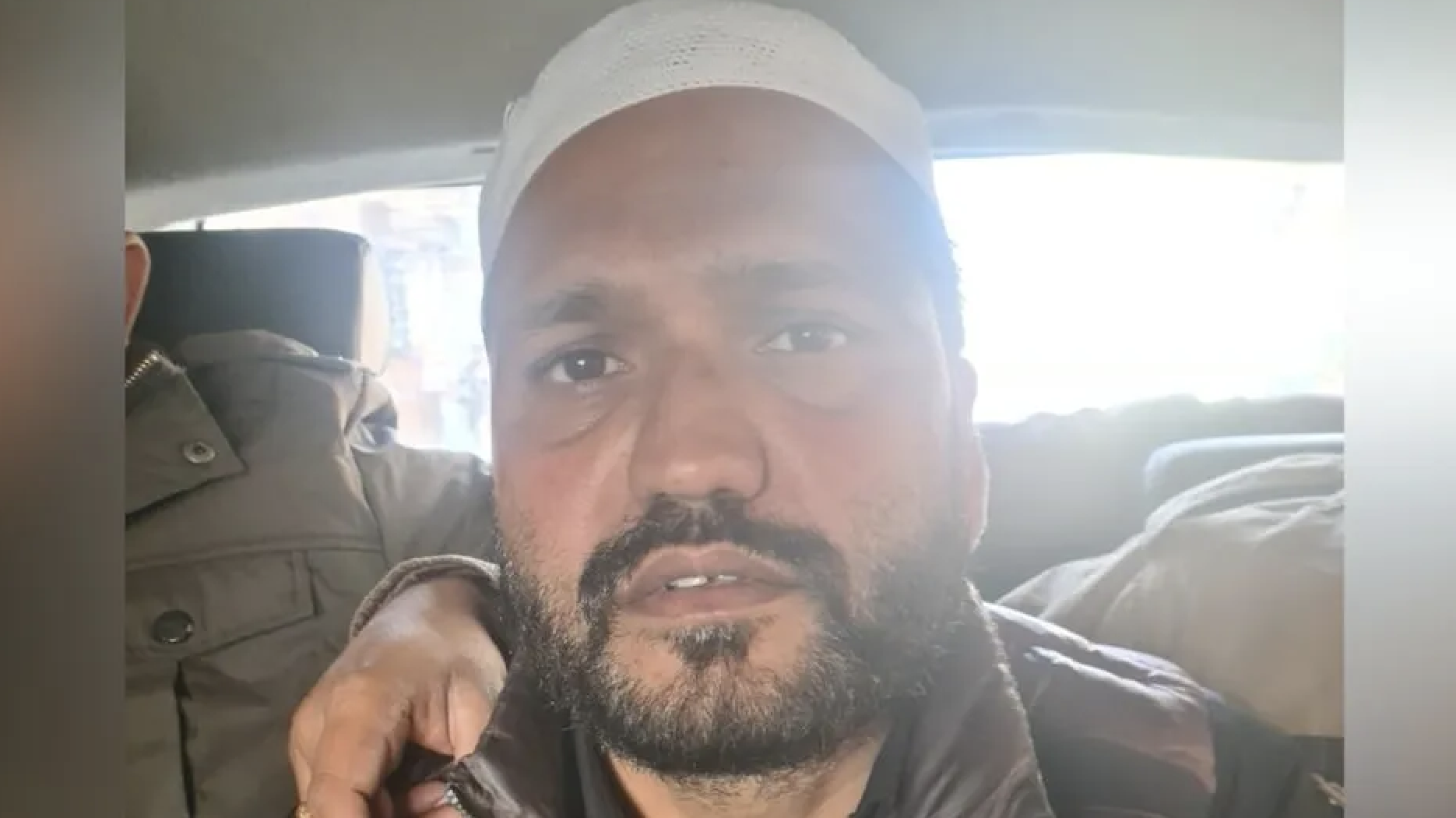

Prison is hardest at sunset. As the thousands of prisoners incarcerated in Delhi’s most infamous jail are cast out of their cells and forced into the dank yard until darkness falls, prisoner number 626714 feels the punishing dread begin to rise.
Yet the inmate – better known as Umar Khalid – was recently moved to discover that another political prisoner, exiled at a camp thousands of miles from India, wrote of the very same feeling more than 150 years ago.
“Even Dostoevsky refers to this state of mind at sunset in his prison memoir,” said Khalid, in his first interview since he was jailed in 2020. “I guess maybe it is because it starts sinking in that another day of your life has been spent in captivity.”
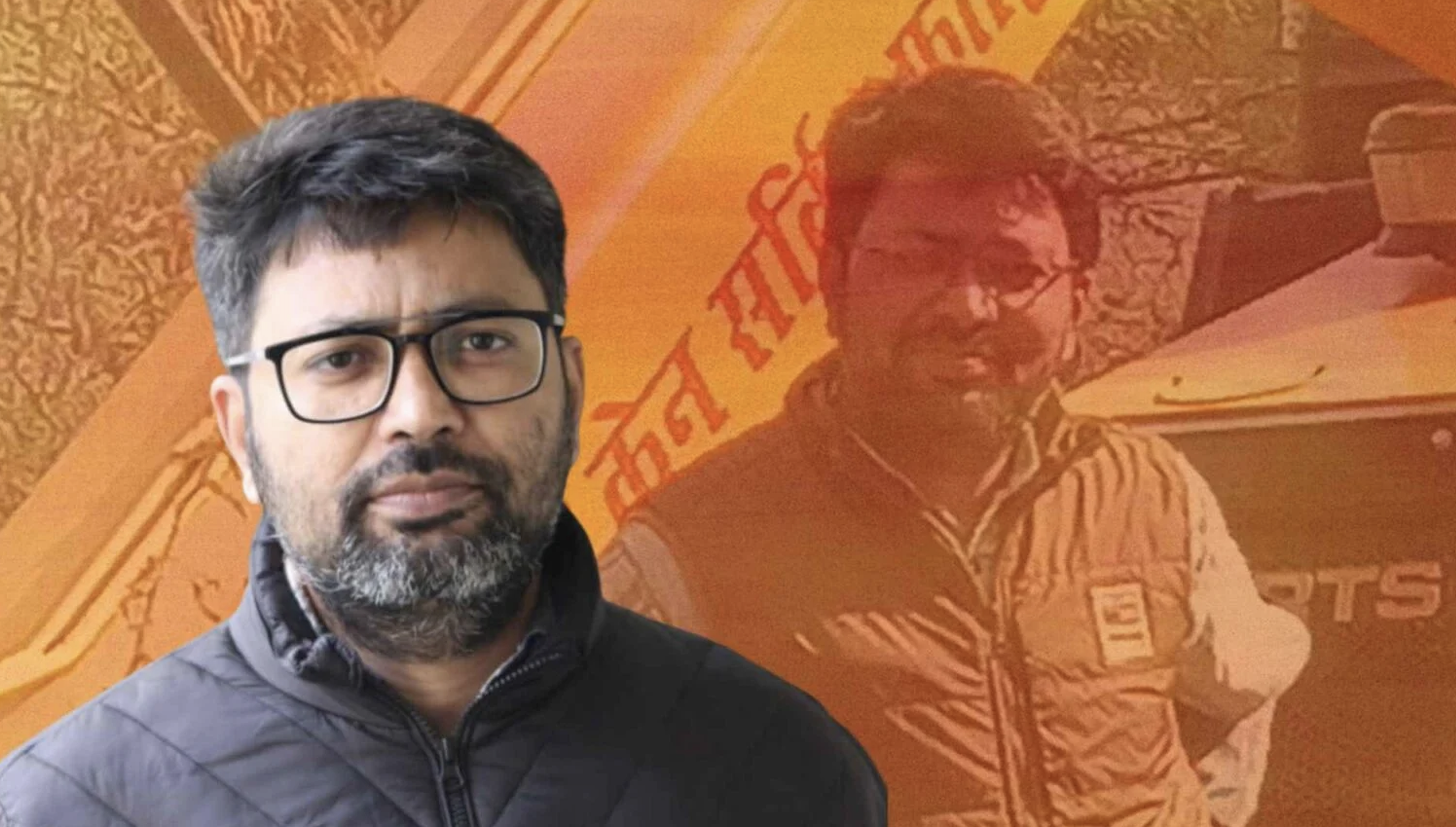
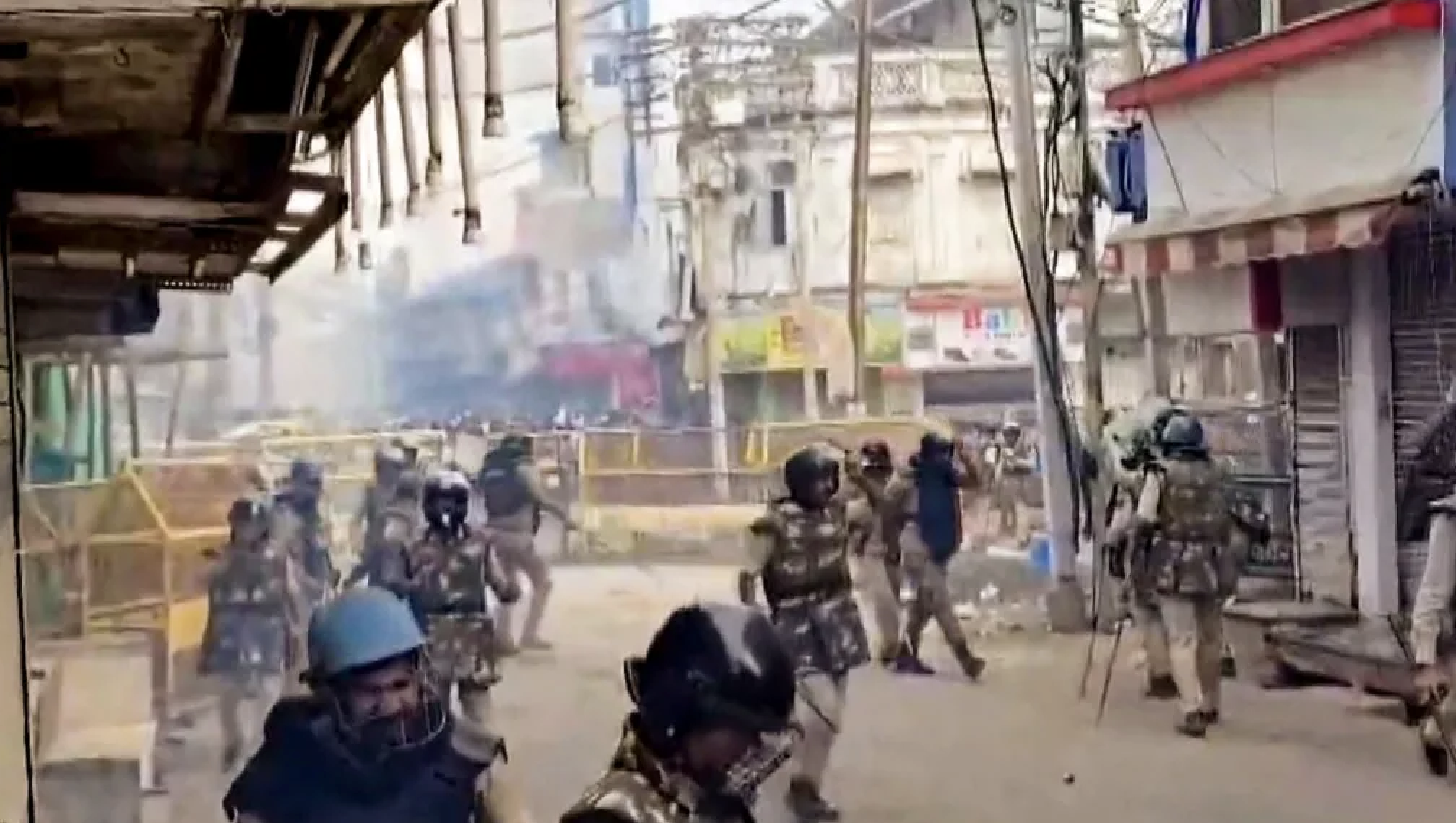
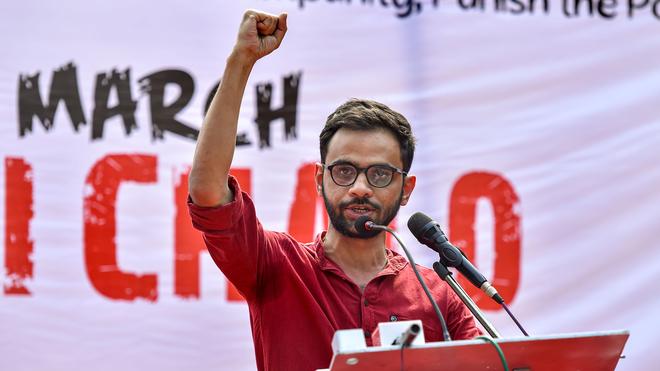
Outside the walls of Tihar prison, there are few in India who do not know Khalid’s name. He rose to prominence over the past decade, first as a fiery student activist and then the face of anti-government protests that swept the country in 2019, the first major challenge to the government of Narendra Modi. By September 2020, he had been arrested and jailed as a terrorist, accused of being a “key conspirator” in deadly religious riots in Delhi and of conspiring to bring about “violent regime change”.
TV anchors still spit his name on nightly news shows, calling him a Muslim terrorist and an anti-national. Leftwing activists shout his name at protests and wear T-shirts bearing his face.
For rights groups and activists, Khalid has come to epitomise the crackdown on dissent under Modi, whose Bharatiya Janata party (BJP) has ruled for 12 years and stands accused of weaponising the judicial system to go after opponents.
This story was originally published in theguardian.com. Read the full story here.