
Thousands of prisoners in India are trapped in a legal limbo under the Unlawful Activities Prevention Act, commonly known as UAPA, with recent Supreme Court decisions fueling the debate on India’s definition of terrorism and its use of security laws.
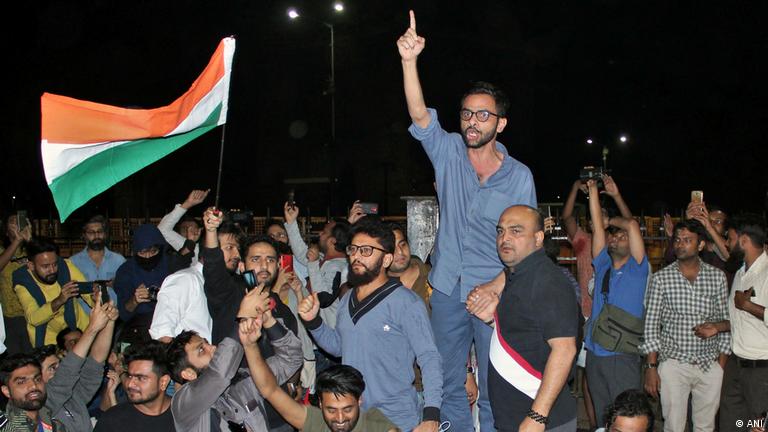
This month, the Supreme Court denied bail to Umar Khalid and Sharjeel Imam, two activists accused in the 2020 Delhi riots case, while granting bail to five others charged in the same conspiracy.
The two face accusations of inciting clashes in New Delhi that killed 53 people, most of them Muslims. They have now spent more than five years in prison without trial.
“Of the 18 accused in the 2020 riots cases, 16 are Muslims; while ruling Bharatiya Janata Party leaders whose hate speeches preceded the violence, faced no charges. Neither Khalid nor Imam were even present in Delhi during the violence,” Brinda Karat, senior Communist Party of India leader, told DW.
Karat pointed out that Imam was already in custody and Khalid was elsewhere, but their absence was “perversely interpreted” as evidence of orchestration.
“The court has dangerously expanded terrorism’s definition — allowing peaceful road blockades to be classified as terrorist acts, thereby enabling the government to target strikers, indigenous protesters and slum dwellers,” said Karat.
This story was originally published in dw.com. Read the full story here.