
Bengaluru: On 19 January 2025, a Mumbai sessions court judge hearing the anticipatory bail pleas of nine Tata Institute of Social Sciences (TISS) students did not ask why the police had invoked a raft of absurd charges—rioting, unlawful assembly, promoting enmity, acting against “national integration”—against young people who had merely commemorated the death anniversary of G N Saibaba. Instead, he scolded them like errant children and warned them that their careers were effectively over.
Saibaba, a disabled former Delhi University professor, spent a decade in prison for crimes he never committed. The Bombay High Court and the Supreme Court eventually acquitted him, rebuking the State for its insistence on keeping him incarcerated. The students’ “crime” was to gather in October 2025 to remember a man who had been legally exonerated after being persecuted, his health destroyed in prison.
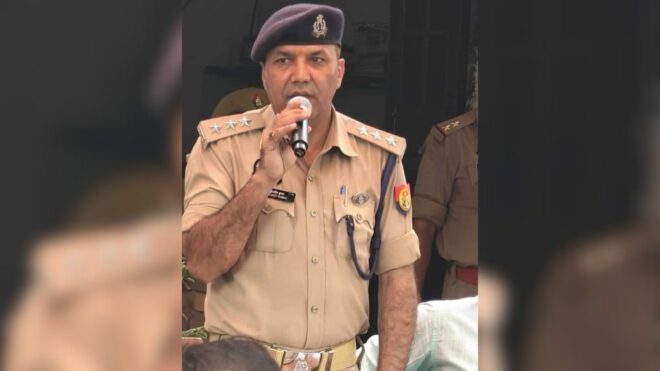
“You have a criminal record,” additional sessions judge Manoj B Oza told the nine students. “Now your record is with the police—not just here but everywhere in the country. You know that you have made a blunder so early before your career starts (sic). Your career is ruined.”
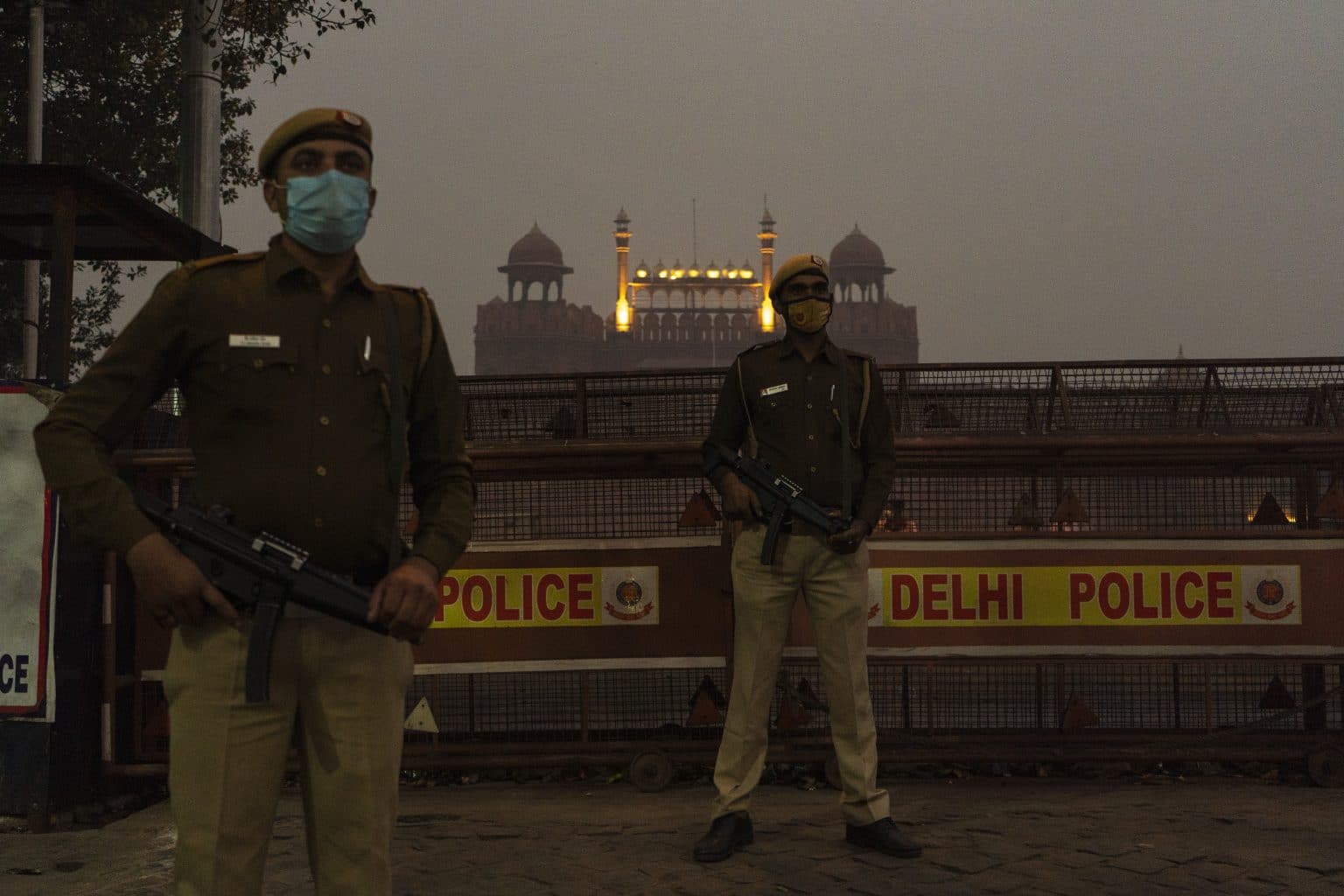
The police case itself arose from a complaint by TISS—once a crucible of critical scholarship on inequality and injustice, now refashioned in the restrictive creed of India’s ruling dispensation. Instead of questioning the State’s overreach, Oza amplified it, as so many in positions of power now tend to do. “How many of you are from outside Maharashtra?” said Oza. “You came to study in Maharashtra for all this? Your fathers know about the case?”
If Oza’s patriarchal tirade sounded extraordinary in ignoring the authoritarian overreach of the police, it was only the latest example of New India’s twisted jurisprudence, which criminalises protest and dissent, makes criminals of victims of hate crimes, protects criminals who commit hate crimes, and punishes officers or judges who try to uphold the law.
India’s criminal-justice system has steadily turned the presumption of innocence and constitutional freedoms of speech, opinion and protest on their head. In their place now stands a duties-over-rights, conformist and exclusionary orthodoxy, drawn from the ideology of the ruling Bharatiya Janata Party (BJP), its affiliates, and the State they are remaking in their image.
This story was originally published in article-14.com. Read the full story here.