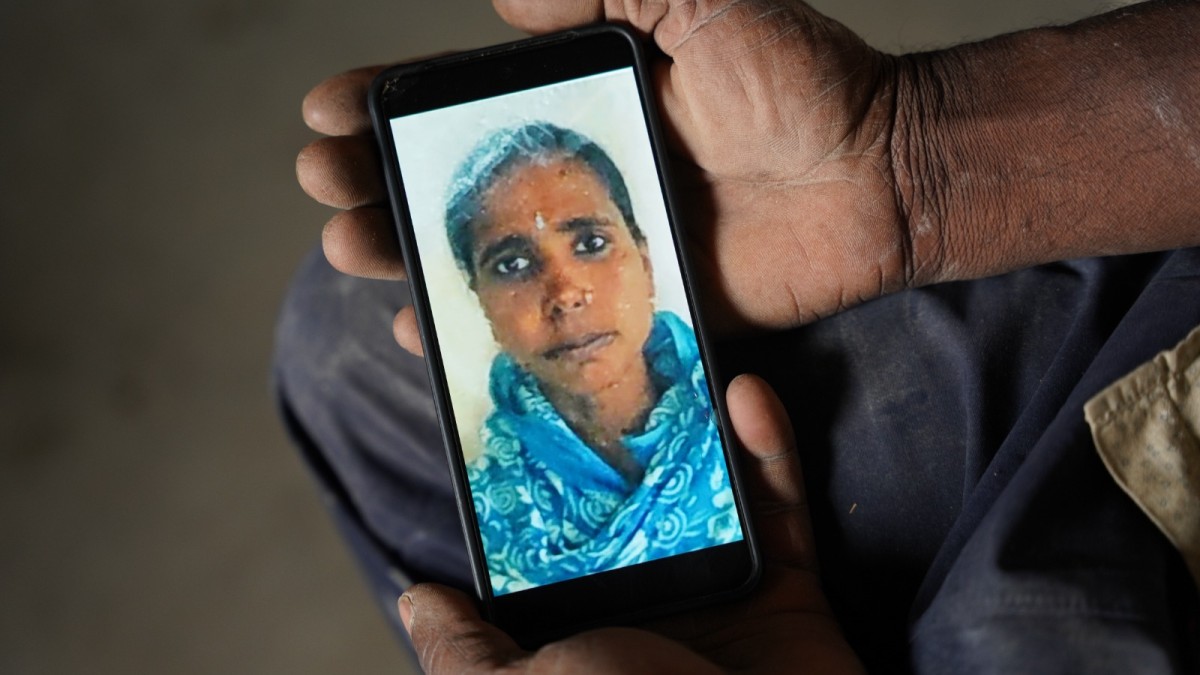

Till August last year, Suleman Pathan was the poster boy of his village in Jamner town of Maharashtra—he was the ideal son to his parents; he headed the committee that organised the village Ganpati celebrations; he would be there for friends and strangers alike in their times of need; and he wanted to join the police force.
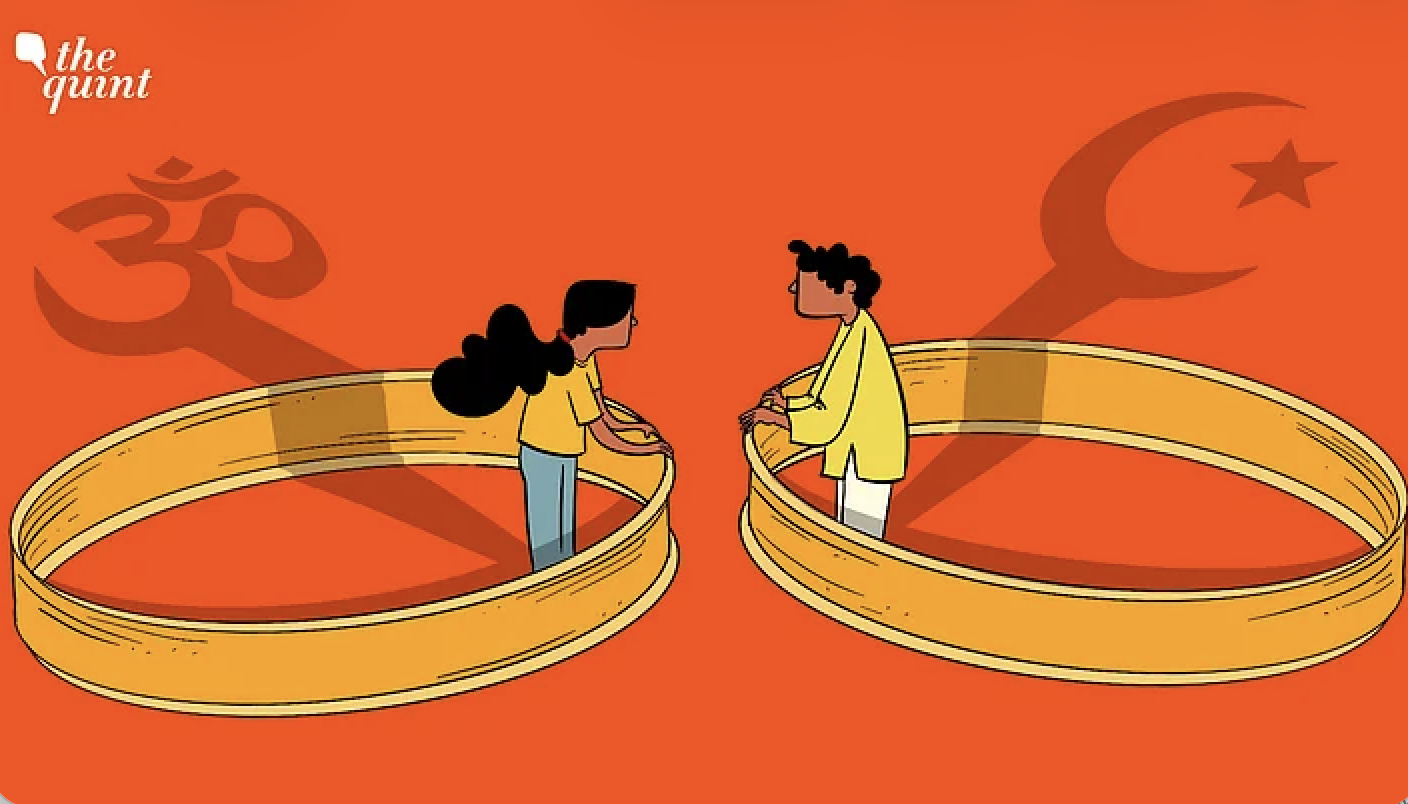
But on 11 August, he was allegedly lynched by a mob that consisted some of his closest friends, because they were incensed at his friendship with a minor Hindu girl. They called it ‘love jihad’—an unproven yet popular conspiracy theory among Hindu supremacist groups that insists Muslim men are luring Hindu women into Islam through relationships. They abducted him, stripped him, and assaulted him for over five hours.
Soon after his killing, Hindutva activists hit the streets in Jamner, demanding a law against ‘love jihad’.
The mob asked for a law. Seven months later, the Maharashtra government obliged. On 16 March, the Maharashtra legislature approved the Maharashtra Freedom of Religion Act, 2026, which, ostensibly, seeks to “regulate” religious conversions, but ends up criminalising them. The law ends up snatching the freedom to choose a religion from an individual and hands it over to a mob to decide.
This story was originally published in thequint.com. Read the full story here.