
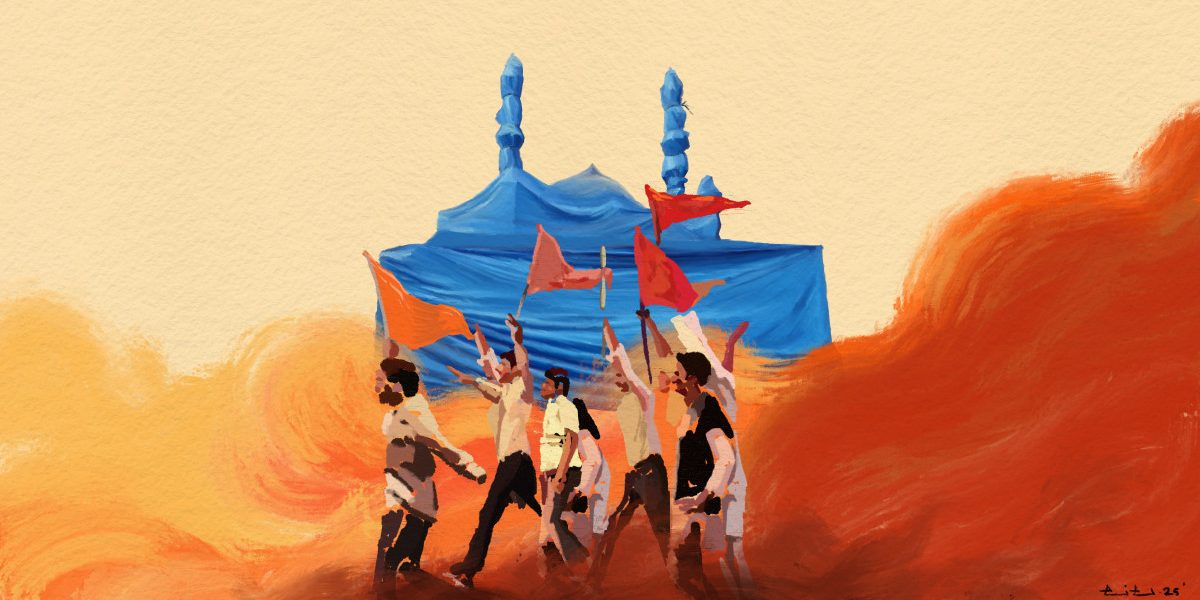
New Delhi: Lynching and the prevailing climate of ‘Sangh-affiliated violence,’ often targeting Muslims, was previously non-existent in West Bengal, Goa, and the multiple states in the Northeast. However, it has now pervaded into nearly all parts of the country, a report tracking the decade between 2014 and 2024 shows.
The report titled Mob Lynching in India: A Record – 2014-2024, has been compiled and edited by journalist and former chairman of the Delhi Minority Commission, Zafarul-Islam Khan, and published by Pharos Media.
It documents cases of mob violence across India and makes the case for expanding the scope of how ‘lynching’ is popularly defined and understood. While it is usually characterised as targeted violence against Muslims by self-styled Hindu vigilantes – Muslims are singled out for any expression of religious identity or on suspicions of the consumption and sale of beef – the report finds that it has mutated into a culture of mob violence. This also often transcends caste lines.
The report also finds that mob violence has almost become commonplace. An overwhelming number of cases list road rage and routine disputes as the driving force behind a lynching.
The report has been curated through existing news reports and social media accounts and is, therefore, not exhaustive.
Here are six significant points that the report highlights that demonstrate the firming up of this culture of violence.
1. Reasons vary
From 2014 to 2024, India saw 53 incidents of lynching on suspicion of beef possession or cow slaughter, 89 due to “religious identity”, and 571 stemming from events of road rage and brawls that escalated into violence, the report records.
The reasons vary. In February 2020, a man named Saurabh was beaten to death for accidentally brushing against someone’s shoulder.
2. Uttar Pradesh leads
During the decade that has been documented (2014-2024), Bharatiya Janata Party-ruled Uttar Pradesh has seen 422 cases of such violence, while the National Capital Territory of Delhi has seen 296. Bihar comes in third, and Haryana takes fourth place, having seen 100 lynching cases.
But while in UP, 124 such incidents took place in 2023, the number dropped to 25 in 2024.
In fact, across states, there appears to have been a stark drop from 2023 to 2024. The report does not mention why. Meanwhile, according to the report, Mizoram and Sikkim saw zero cases through the decade, while Goa, Assam, and Nagaland saw one.
This story was originally published in thewire.in. Read the full story here.