
By Aditi Raja
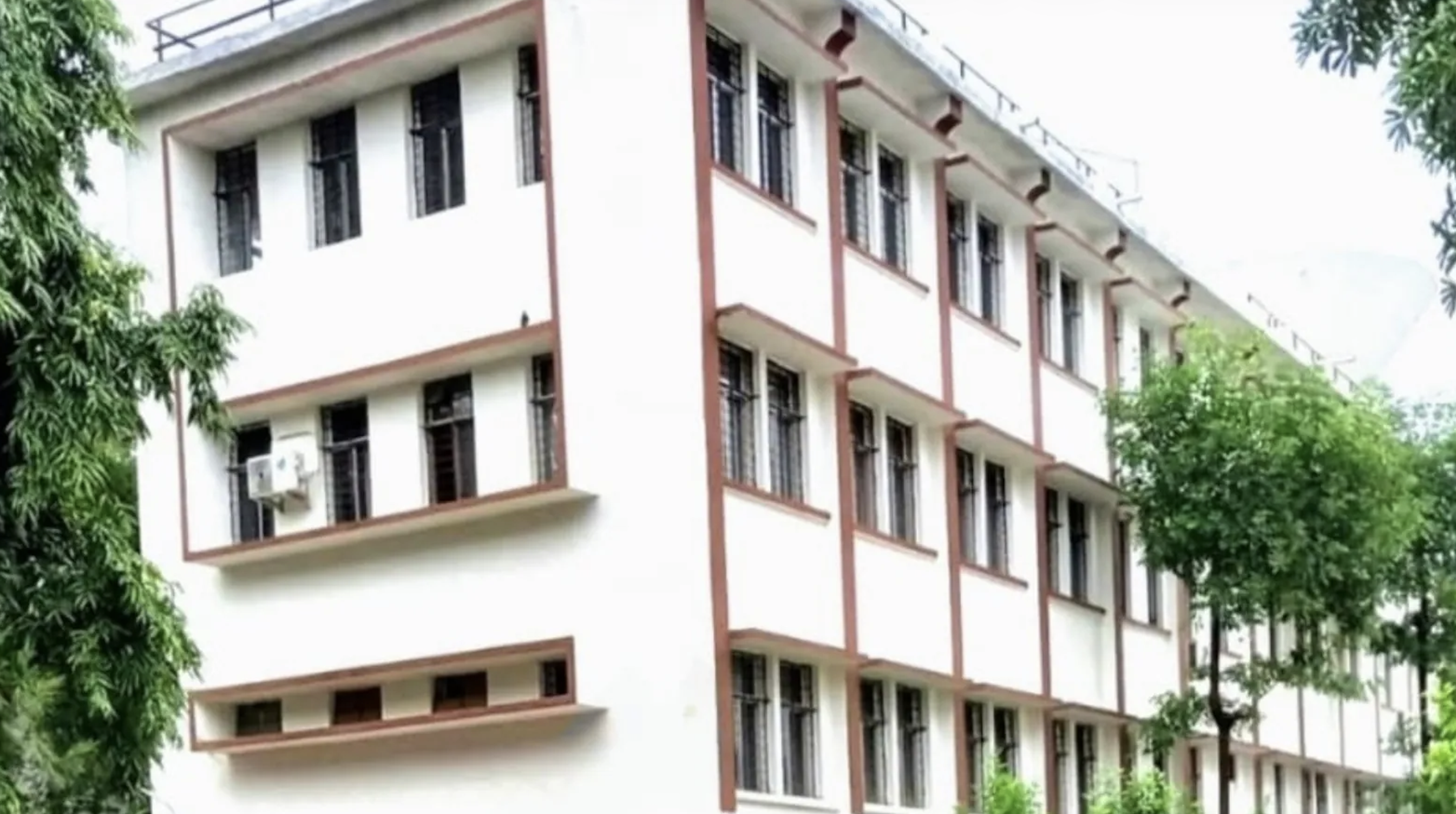
A MODULE on ‘Modi Tattva’, lessons on RSS fieldwork and a return to Indian knowledge systems — Maharaja Sayajirao (MS) University of Baroda has introduced a new curriculum that is set to study Prime Minister Narendra Modi’s leadership as a concept, integrate indigenous knowledge systems, Hindu religion studies and nationalism in three major courses. These will now be part of the 10 papers of the fourth year of the BA Sociology course as well as the first year of the two-year Masters in Sociology programme.
The modules, ‘Sociology of Bharat’, ‘Hindu Sociology’ and ‘Sociology of Patriotism’, are courses of four credits each, which form part of the restructuring of sociology education at MSU from the forthcoming academic year starting in June, designed to “align academic framework with India’s civilisational knowledge, contemporary governance and lived social realities”.
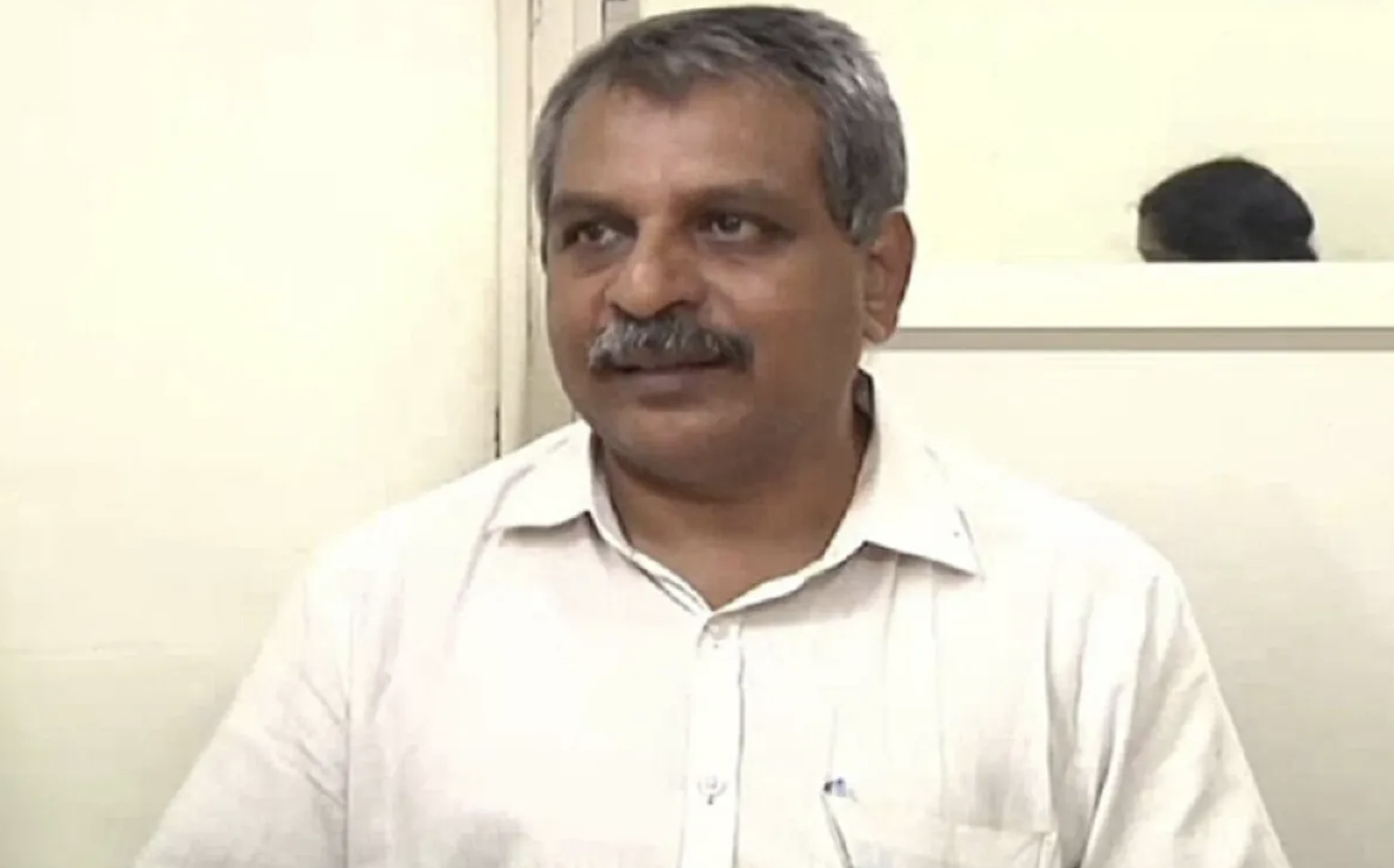
Conceptualised by the university’s Sociology Department head Dr Virendra Singh, who is chairperson of the Board of Studies of MSU as well as a part of Niti Aayog Project for monitoring public policies and a member of the district administration’s ‘Vadodara 2047’ plan, the approach seeks to build what he called a “practice-oriented, inquiry-driven sociology, rooted in both historical depth and present-day relevance.”
Singh told The Indian Express on Friday that ‘Modi Tattva’ — a part of the Sociology of Patriotism course — is a study of the leadership of the Prime Minister, drawing from German sociologist Max Weber’s concept of “charismatic authority”.
“‘Modi Tattva’ treats a contemporary political figure — PM Narendra Modi — as a case study in charismatic leadership, policy perception and mass connect, within a sociological framework. PM Modi has become an unavoidable figure in national and global political discourse — like it or not, he is present in the conversation. Instead of discussing his leadership after 50 years, we are aiming to have the generation study it now,” he said.
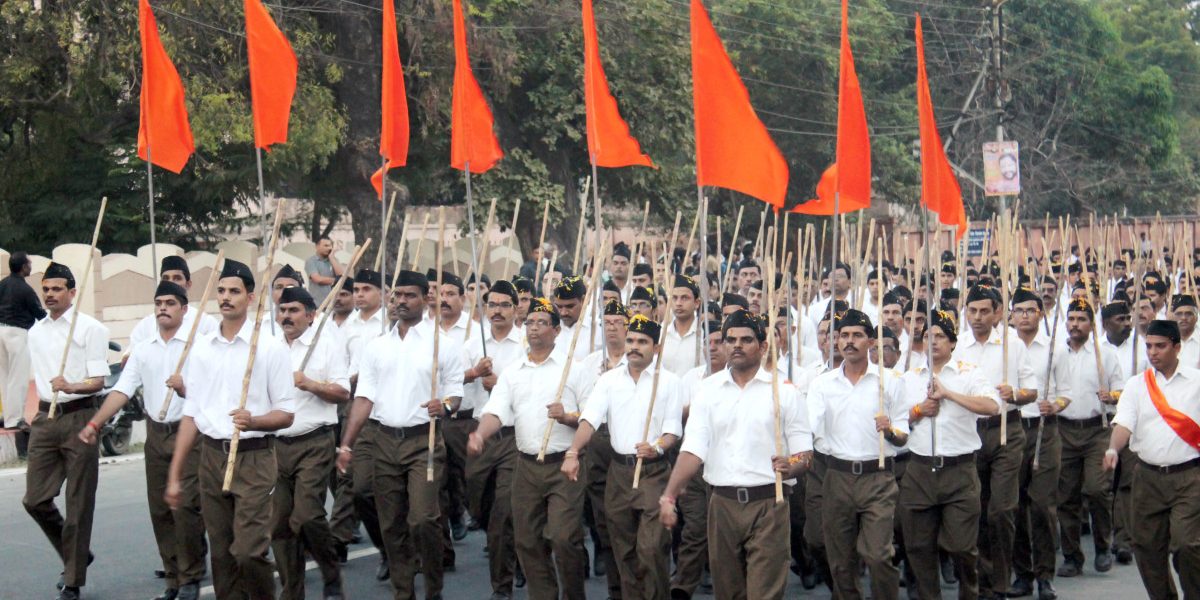
Singh said the idea of looking into the RSS as part of the course came up on the basis of fieldwork in remote Gujarat villages, where students unexpectedly encountered grassroots activities linked to the organisation.
This story was originally published in indianexpress.com. Read the full story here.