
By Harsh Mander
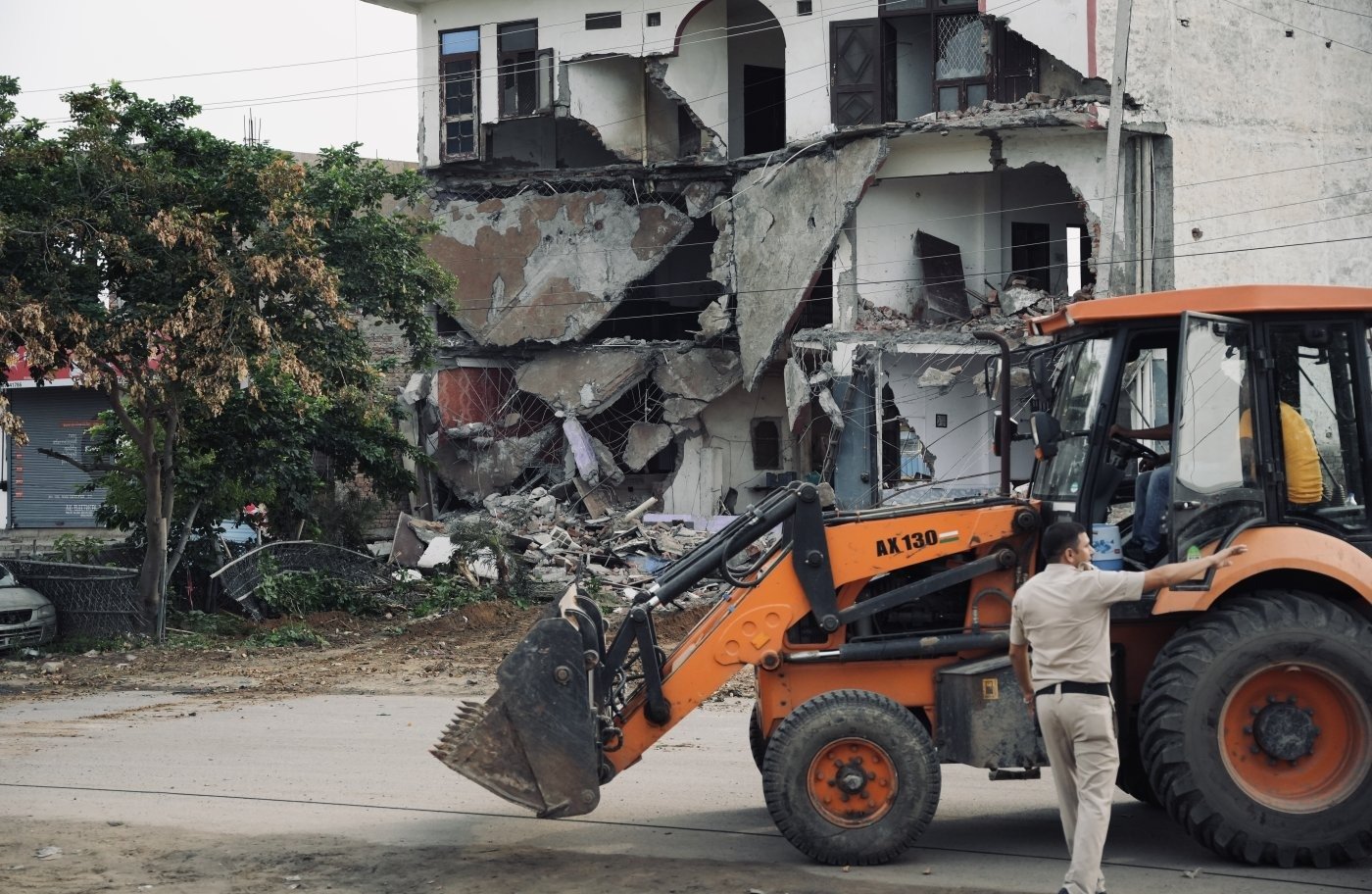
New Delhi: The use of the bulldozer, or more accurately the JCB backhoe excavator, as a retributive, political weapon began in Uttar Pradesh (UP) in 2020, spreading rapidly across states ruled by the Bharatiya Janata Party (BJP). It peaked in August 2023 when, over four days in Nuh, Haryana, JCBs razed between 500 and 1,250 structures across a 50-km area, nearly all Muslim owned.
In my journeys to Nuh at that time, the landscape resembled a battleground. Rage and despair had peaked among the residents of Nuh, one of India’s highest Muslim-majority districts outside Jammu and Kashmir, and identified by the government’s think tank, Niti Aayog, as the most underdeveloped district in the country in 2017.
Tensions rose after cow vigilante groups killed three men in two separate incidents (here and here) on suspicion of cow slaughter. Videos linked prominent Bajrang Dal activists to the incidents, but few arrests followed. Bajrang Dal leader Monu Manesar posted a video with sexualised taunts against Muslims announcing a visit to Nuh, prompting the arrival of busloads of armed Hindu extremists.
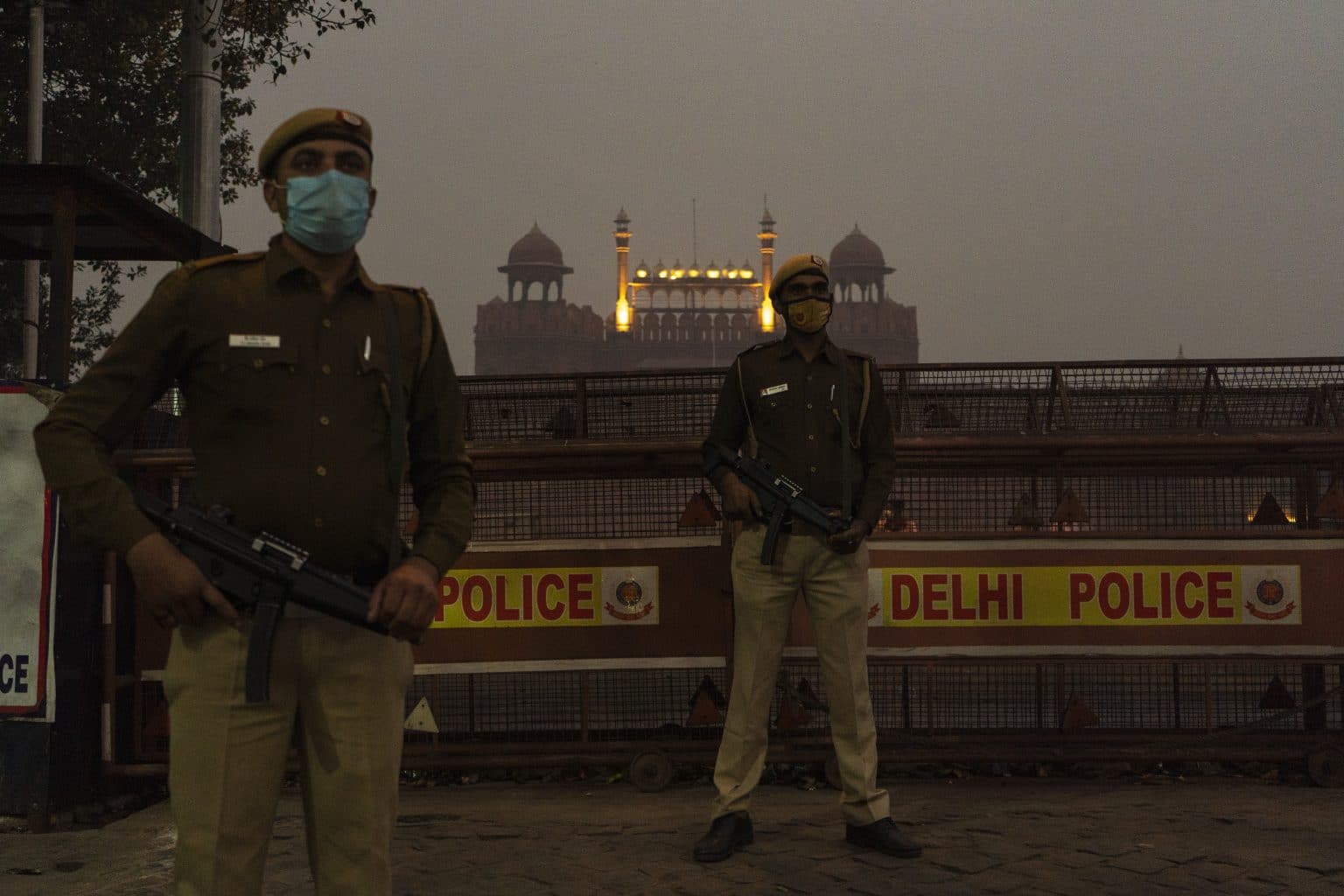
Six people, three Hindus, two Muslims and one Sikh, were killed in the violence that erupted around noon on 31 July 2023 after a religious procession organised by a Hindu militant organisation, the Vishwa Hindu Parishad—and infiltrated by Hindu extremists wielding swords and firing guns—made its way through Nuh. The violence reached Delhi’s doorstep. Rioters from both communities burnt vehicles and shops. A mosque in Nuh was set on fire on 2 August.
Then, the State stepped in, detaining nearly 150 Muslims, including minors, and demolishing Muslim properties.
In Nuh town, at least 30 permanent buildings, including a four-storey hotel, were demolished, along with medical stores, vending kiosks, and repair shops. Scroll.in reporters documented demolitions in villages like Tauru, Nalhar, Nagina, and Firozepur Jhirka, 50 km away, targeting Muslim-owned homes, garages, pharmacies, labs, stores, eateries, and bakeries—many built under government schemes.
Residents received as little as 10 minutes’ notice in some cases.
This story was originally published in article-14.com. Read the full story here.