
By Auqib Javeed
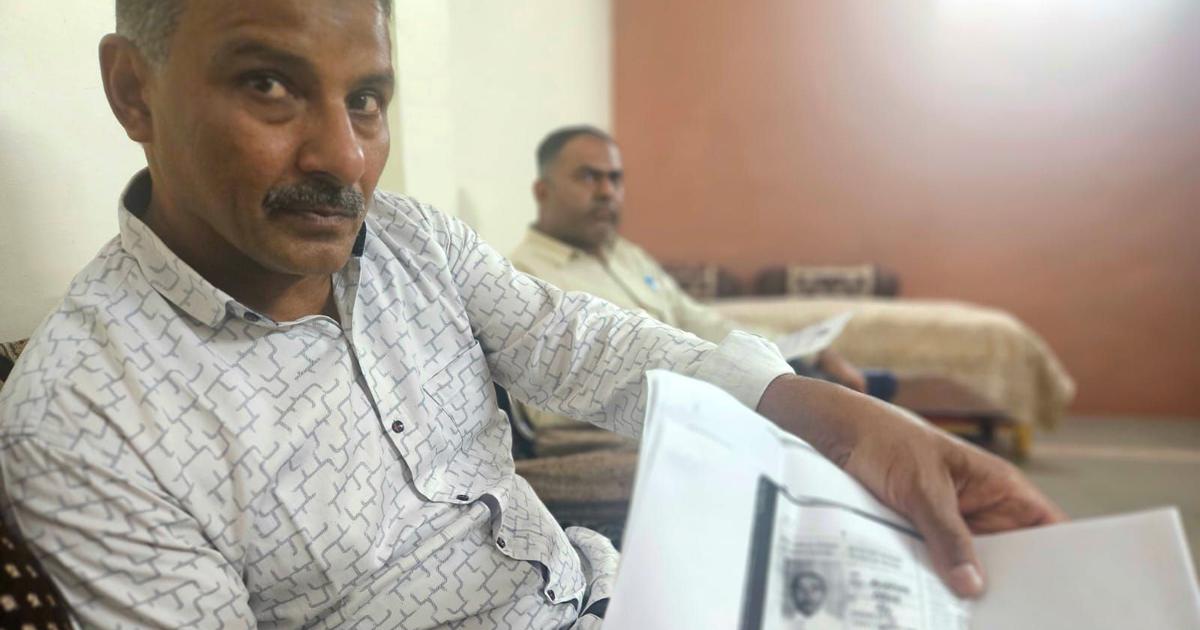
Baramulla (Jammu & Kashmir): For four months, Anjum Tanveer’s life in Poonch, a border district of Jammu and Kashmir (J&K), followed an exhausting pattern.
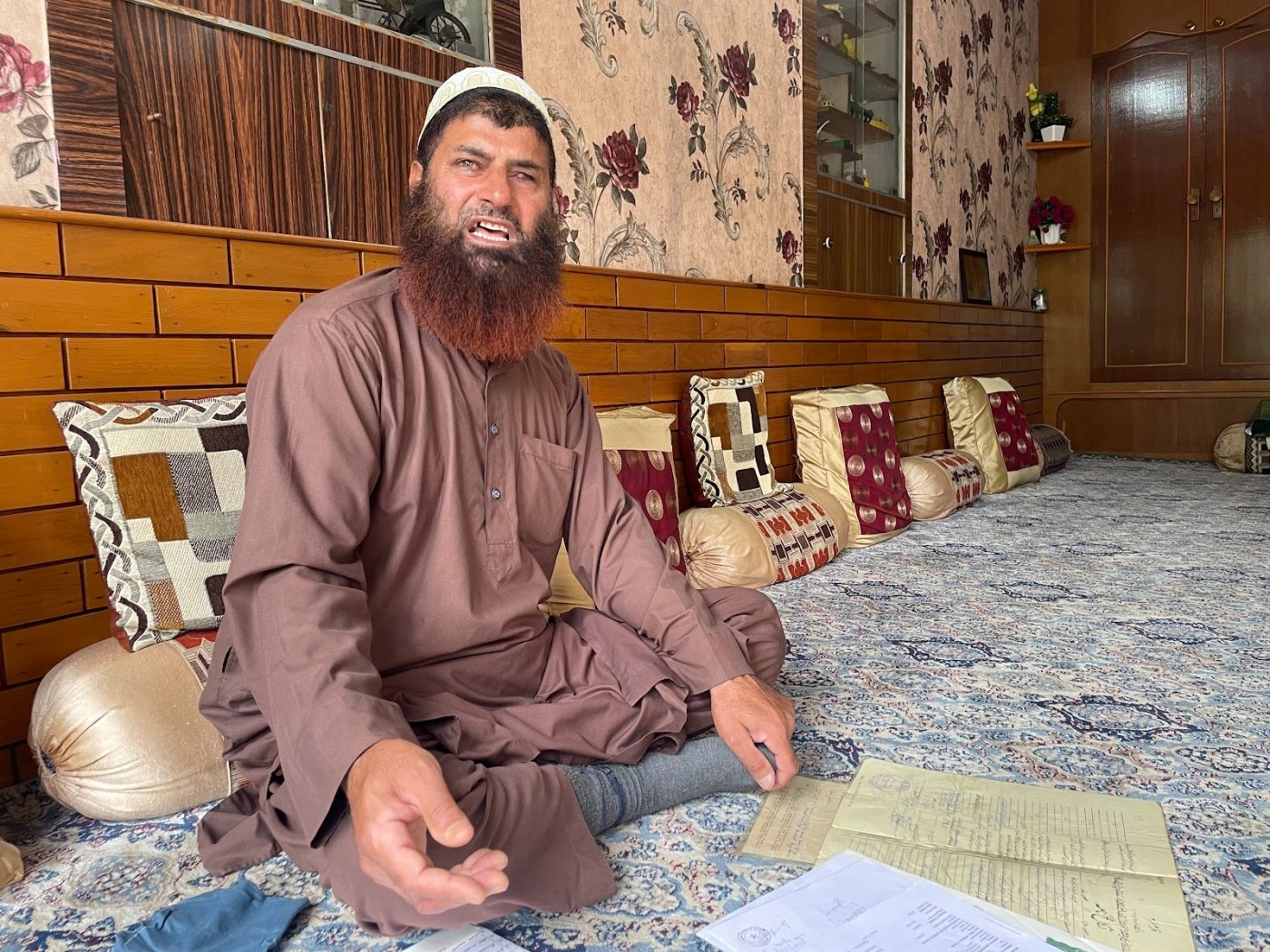
Every morning, he would set out to the local police station and then to the office of a Bharatiya Janata Party (BJP) politician, where he would spend long hours pleading that his pregnant wife, now in Pakistan, be allowed to return to India and deliver her baby here.
On 28 April 2025, his wife, 29-year-old Attiya Aslam of Gujranwala, in Pakistan’s Punjab, was deported along with 59 other Pakistani nationals living in J&K, following the killing of 26 tourists by terrorists in a picturesque Pahalgam meadow in Kashmir.
Sometimes, they would ignore Tanveer. On other days, they would ask him to take his case elsewhere. In the end, on 5 September, his wife gave birth to a baby boy.
“My heart bleeds, longing for them,” Tanveer said.
The Indian government announced thedeportation of Pakistani citizens living in India after the terror attack, which was followed byarmed conflict between the two nuclear-armed countries. The Pakistani government, which denied any involvement in the attack, retaliated with measures of its own, including the cancellation of most visas held by Indians.
The brunt of these decisions, however, fell on some of Kashmir’s most vulnerable people, such as Tanveer’s wife. At the Attari-Wagah border, the main land border crossing between the two countries, as people from both sides said painful goodbyes.
This story was originally published in article-14.com. Read the full story here.