
By Partha Banerjee
Some questions take a lifetime to ask. Others take a century.
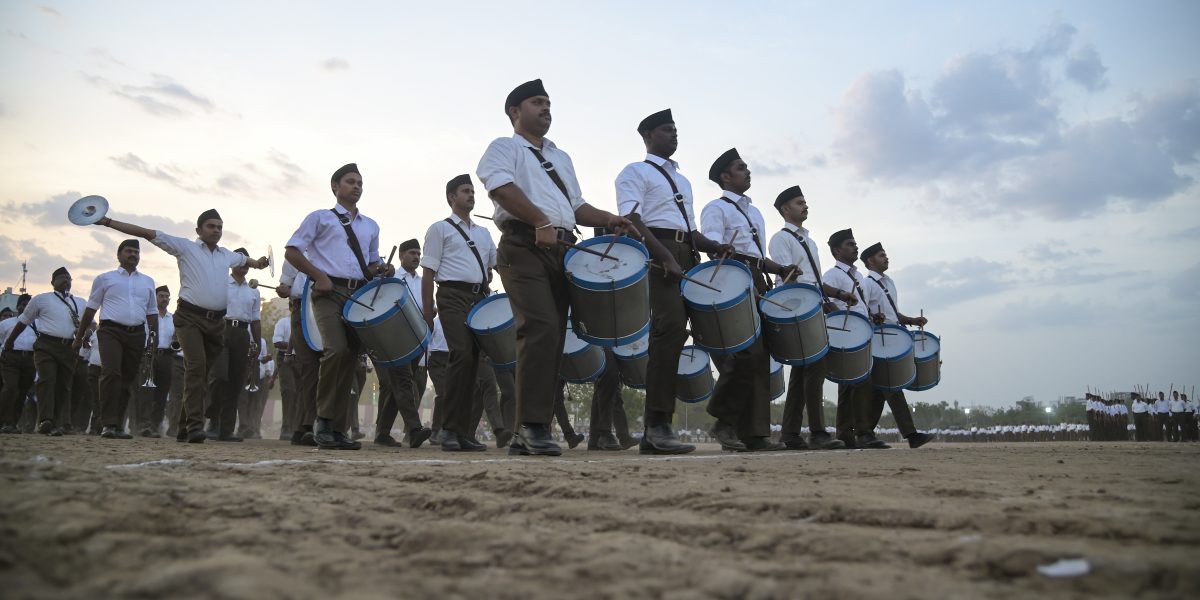
The recent remarks by Karnataka minister Priyank Kharge questioning why the Rashtriya Swayamsevak Sangh (RSS) should not be subject to registration and public accountability, like countless other organisations, have triggered yet another political controversy. Supporters of the RSS have dismissed the suggestion as politically motivated. Critics have welcomed it as an overdue challenge to one of India’s most influential institutions.
To me, however, the controversy means something far more personal.
I did not first encounter the RSS through newspapers, academic research or political debates. I encountered it at home.
My father devoted most of his adult life to the RSS. He was deeply committed to its ideals and maintained close relationships with several senior leaders of what later became the Bharatiya Janata Party, including Atal Bihari Vajpayee and L.K. Advani. Like many RSS workers of his generation, he experienced the turbulent period that followed Mahatma Gandhi’s assassination, when the organisation was banned and many of its members were detained.
In our home, discussions about discipline, sacrifice, nationalism and service to the nation were part of everyday life. For me, the Sangh was never an abstract political organisation. It was woven into family life long before I understood politics.
I eventually followed the same path, , the next 20 years, before I realised what RSS was really all about, and quit in the 1980s, just before I left for the US.
The question
For nearly two decades I worked within the RSS, the Akhil Bharatiya Vidyarthi Parishad (ABVP), and later the BJP. Like countless young swayamsevaks of my generation, I believed I was participating in a movement that would strengthen India. It was only gradually, through experience, observation and reflection, that I began questioning many of the assumptions I had accepted in my youth.
This story was originally published in thewire.in. Read the full story here.