


By Manish Sahu
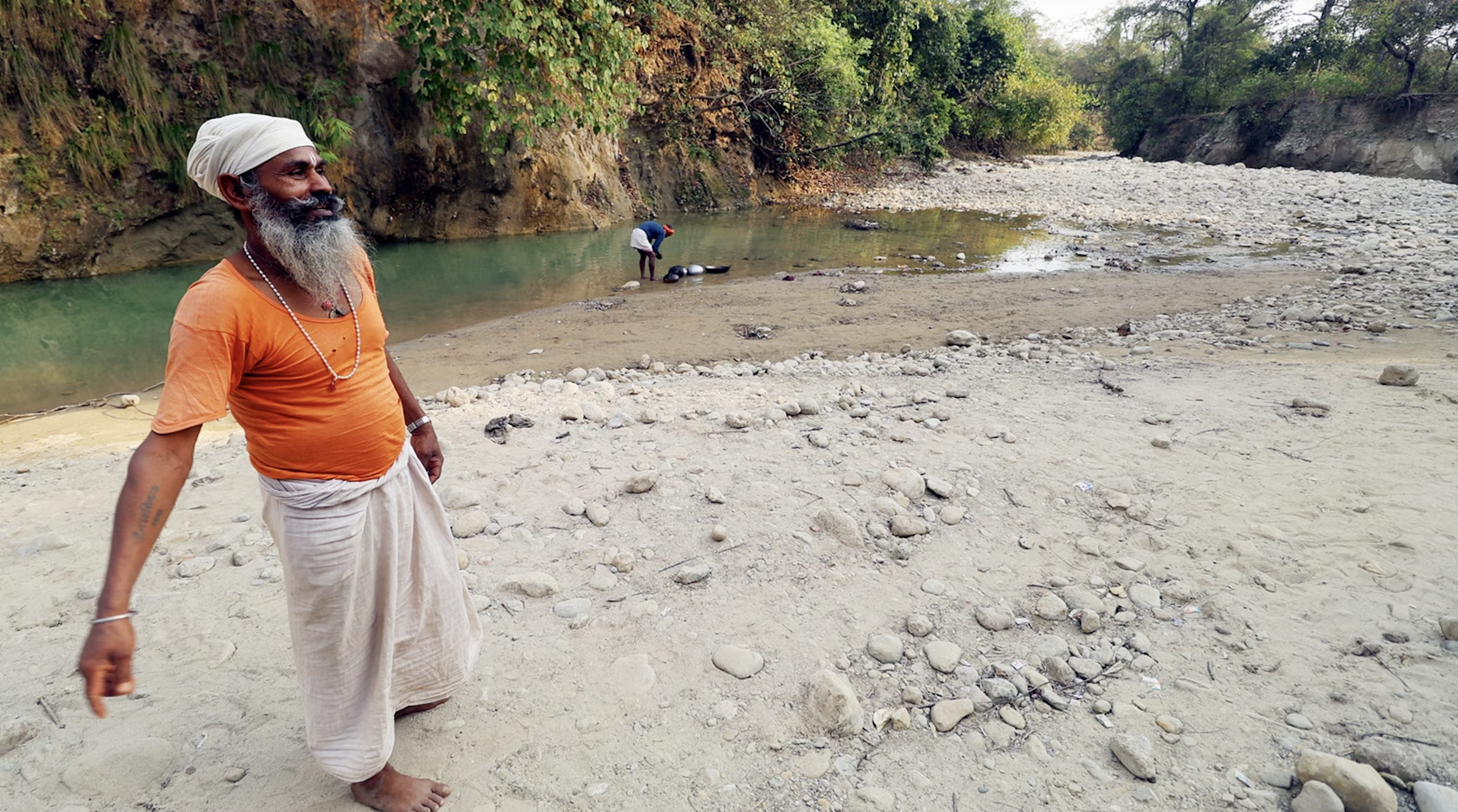
Located inside the Sohailwa Wildlife Division, just 250 m from the India-Nepal border, the Sonpathri Mai Sidhinath Ashram is popular across the region – with people of all faiths. Now, the unassuming ashram is at the centre of a row involving an iftar, similar to the Varanasi incident.
Eight people stand accused of eating non-veg food and disposing of leftovers in a stream whose water is used at the ashram, on March 17, during Ramzan. Released on bail since, none of them is staying at home, for fear of further police action.
The eight include five people from Shravasti, located nearly 60 km from the ashram, and three from Bahraich, around 90 km away. All in their 20s, barring one, they are facing two separate cases, one filed by the ashram head and the other for allegedly violating the forest conservation law. Police claim all the accused know or are related to each other.
The families deny this, with some also questioning police claims of their presence at the iftar, particularly given the distance of their homes from the location.
The arrests in Varanasi coincided with the Shravasti incident. In Varanasi, 14 stand accused of breaking their Ramzan fast with non-veg food on a boat in the Ganga, and disposing of leftovers in the river. All 14 remain in jail.
Among those arrested from Shravasti were Jamal Ahmed and his sons Imran (26) and Irfan (22), of village Mehroom Murthiya. Only Jamal’s wife Noorul Nisha and daughter Safia, 20, and Imran’s wife Sabeena, 24, now remain at home, with the children.
Jamal, 57, the owner of an electrical equipment shop, is president of the local traders’ association. While Imran assists his father in the family business, Irfan, who is unmarried, works as an electrician.
This story was originally published in indianexpress.com. Read the full story here.