
by Nidah Kaiser,Tamanna Pankaj
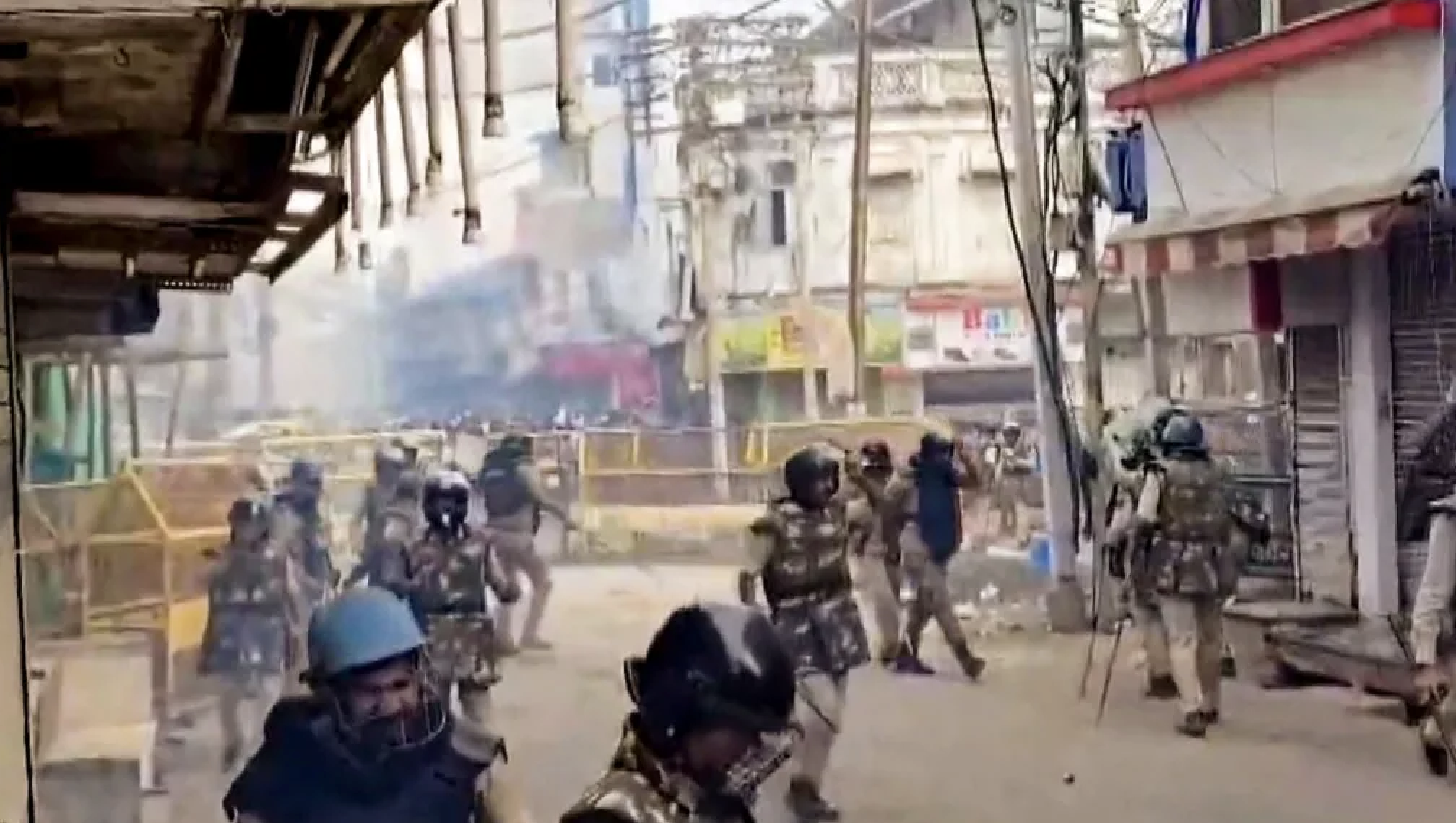
It has been six years since the February 2020 violence in North-East Delhi, in which some 53 people were killed and many people were injured. In the same year, one of us (Nidah Kaiser) wrote her master’s thesis on police action during this episode of violence. Since then, she has graduated with an MSc, completed her PhD, and begun her postdoctoral research. Meanwhile, the academic careers of two PhD scholars, Umar Khalid and Sharjeel Imam, remain frozen in February 2020. While the case has not gone to trial, the Supreme Court, in its January 2026 Gulfisha Fatima & Others v. State (NCT of Delhi) judgment denied bail to Khalid and Imam, who have been incarcerated for more than half a decade now.
The judgment said Khalid and Imam had “engineered” the events, were “architects” of a conspiracy, were “drivers” (albeit “ideological”), “orchestrating” the incidents remotely; “acting” at various levels, phases, and moments; “directing”; “printing”; “drafting”; “meeting”; and “speaking”. The language used in the judgment assigned to Khalid and Imam agency, coordination, and intent before these are established through trial.
An RTI application filed by the writer and journalist Pankaj Chaturvedi, with a response dated March 10, 2026, from the Riot Cell, North-East District, Delhi Police, provides an update on the status of cases arising from the events of February 2020. A total of 757 cases were registered, of which 249 remain under investigation with charge sheets yet to be filed. Additionally, in 75 cases, the police filed a closure report due to insufficient evidence. In terms of outcome, 386 individuals have been acquitted across 109 cases, while only 51 individuals have been convicted in 22 cases. The data indicate that even six years later, a substantial number of cases remain unresolved, with acquittals outnumbering convictions.
Read alongside the Supreme Court’s reasoning in the Khalid-Imam bail judgment, these data underscore a troubling dissonance: while courts have been willing to accept expansive conspiracy claims at the stage of bail, the prosecutorial framework appears far less capable of sustaining convictions at trial or/and has failed to file charge sheets in one-third of the 757 cases registered in relation to riots that allegedly took place because of a pre-planned “conspiracy”.
This story was originally published in frontline.thehindu.com. Read the full story here.