


By Oindrila Dasgupta
New Delhi: The United Nations Committee on the Elimination of Racial Discrimination (CERD) has triggered its early warning and urgent action mechanism over alleged large-scale human rights violations in India, citing killings, arbitrary arrests, forced evictions and denial of land rights affecting indigenous Adivasis in Chhattisgarh, Bengali-speaking Muslims in Assam, and forest-dwelling tribal communities. In communications sent to the Indian government on 19 January, the UN body warned that security, citizenship and conservation policies may be operating in racially discriminatory ways, raising concerns of systemic violations under international law.
In three separate communications sent in January 2026 to India’s Permanent Representative in Geneva, the Committee invoked its early warning and urgent action procedure, a mechanism reserved for situations that may escalate into grave violations of rights protected under the International Convention on the Elimination of All Forms of Racial Discrimination (ICERD). The letters collectively point to a pattern of excessive use of force, arbitrary detention, forced displacement, denial of consent over land and resources, and lack of effective remedies.
Bastar: Militarisation, killings and displacement
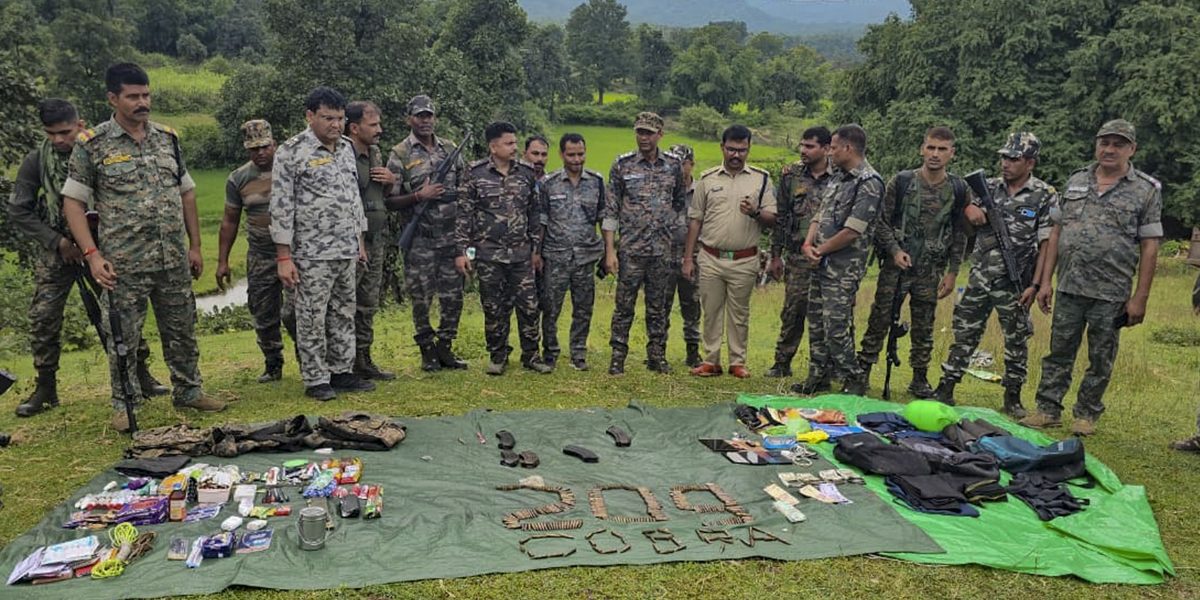
The most severe concerns relate to the Bastar region in Chhattisgarh, where Indigenous Adivasi peoples constitute around 70% of the population. CERD noted that since January 2024 there has been a sharp escalation in counter-insurgency operations amid a stated goal by the Indian government to eliminate non-state armed groups by March 2026.
According to information received by the Committee, this intensification has resulted in “widespread and unprecedented violence” against indigenous Adivasi civilians. At least 500 Adivasi people, including civilians, were reportedly killed between January 2024 and October 2025 during security operations. The Committee flagged inconsistencies between official records and figures documented by civil society and human rights defenders monitoring the region.
CERD also expressed alarm over reports that security forces used aerial bombing in at least five incidents between 2021 and 2025, targeting villages, agricultural land and forest areas inhabited by Adivasi communities. Such operations, the Committee warned, raise serious questions of proportionality and civilian protection.
The communication highlights a rapid expansion of security infrastructure in Bastar. Since 2019, at least 300 new security bases have reportedly been established, while the number of police stations has increased from 65 to more than 500 over the past decade. Many of these installations have allegedly been built on ancestral Adivasi lands without consultation or consent, in violation of constitutional protections under the Fifth Schedule, the Forest Rights Act, and the Panchayats (Extension to Scheduled Areas) Act.
This story was originally published in thewire.in. Read the full story here.