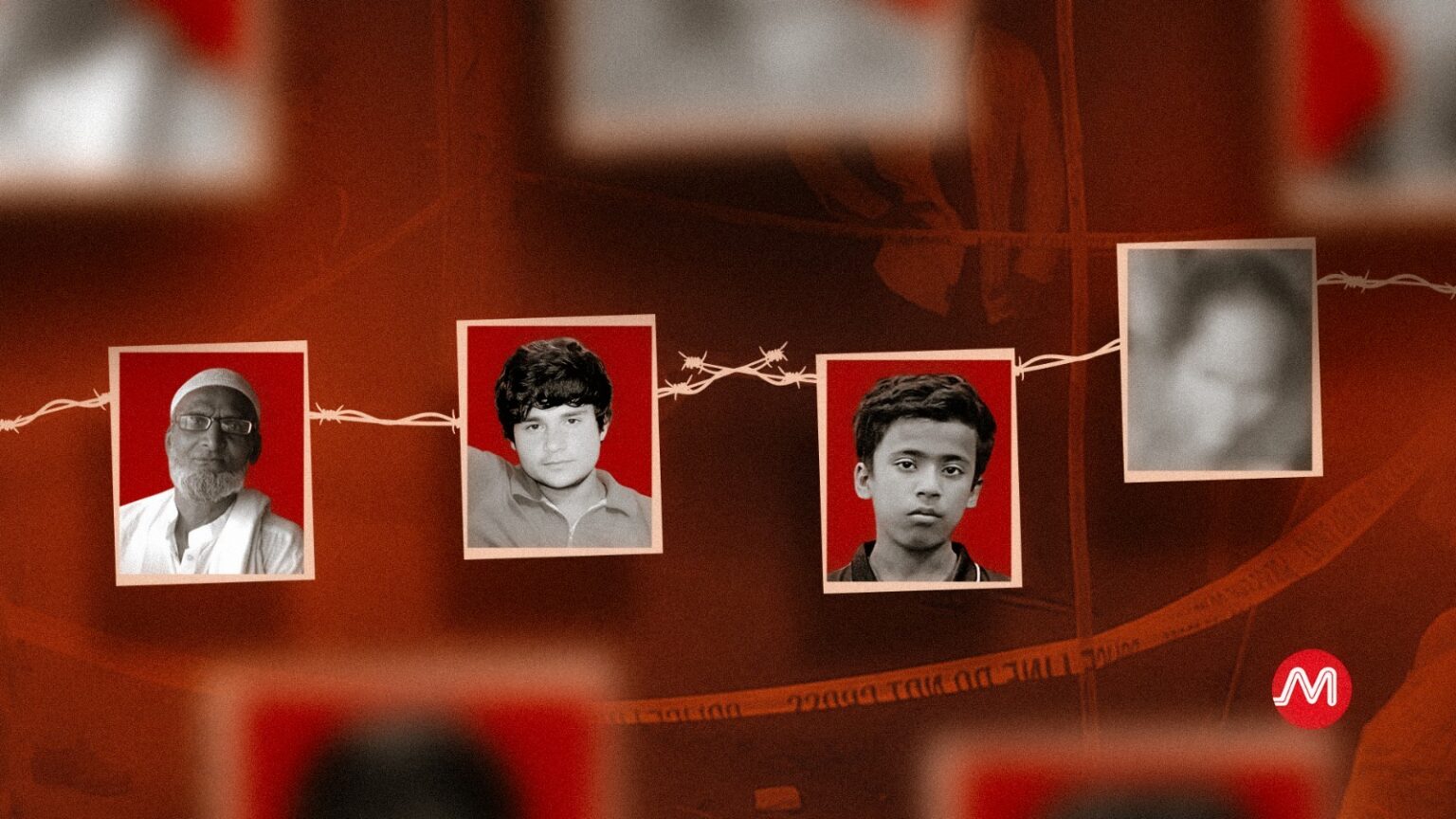

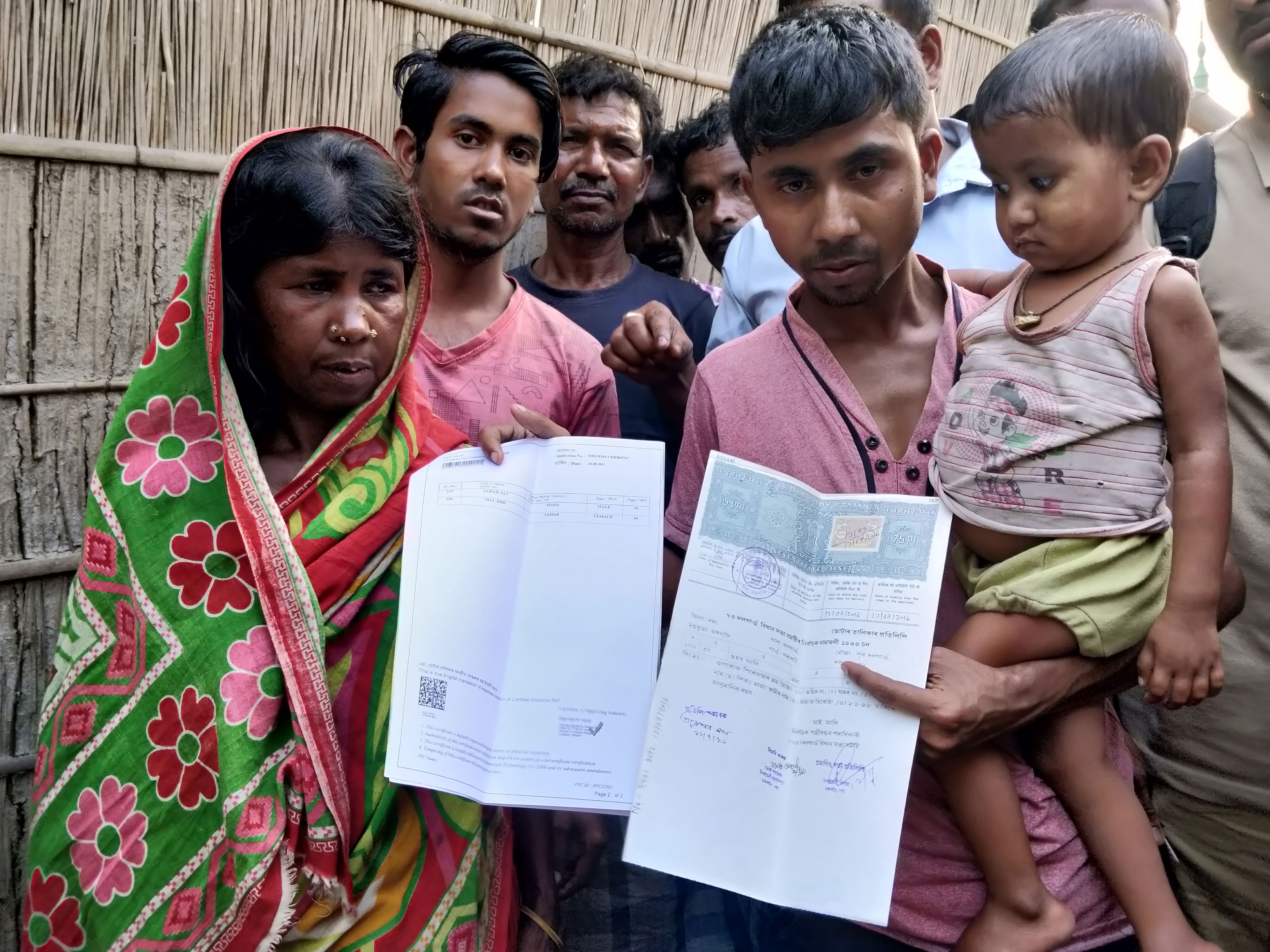
The United Nations Committee on the Elimination of Racial Discrimination (CERD) has raised serious concerns over what it describes as racial discrimination against Bengali-speaking Muslims in Assam, flagging exclusions during the National Register of Citizens (NRC) process, forced evictions, hate speech, and alleged excessive use of force by law-enforcement agencies.
In a letter dated January 19, 2026, addressed to India’s Permanent Representative to the United Nations in Geneva, CERD said it regretted the “lack of information” provided by the Indian government in response to an earlier communication sent on May 12, 2025, which sought clarification on alleged rights violations faced by the community in the northeastern state.
The Committee acknowledged India’s response regarding the Citizenship (Amendment) Act, 2019 and the Citizenship (Amendment) Rules, 2024, noting the government’s claim that the legislative framework does not prevent eligible foreigners from applying for Indian citizenship through registration or naturalisation. However, it said this response failed to address core allegations of discriminatory practices during the NRC update.
“Non-original inhabitants”
CERD expressed concern over reports that Bengali-speaking Muslims were disproportionately excluded from Assam’s final NRC list due to “procedural irregularities and administrative shortcomings.” These included difficulties in procuring legacy documents, stricter verification standards, and the classification of many residents as “non-original inhabitants” — a term the Committee noted lacks a clear legal definition.
The Committee also flagged the suspension of Foreigners’ Tribunal proceedings during the NRC update, which allegedly prevented those marked as “doubtful voters” from contesting their status, effectively barring them from inclusion in the citizenship register.
This story was originally published in maktoobmedia.com. Read the full story here.