

By Ilma Hasan
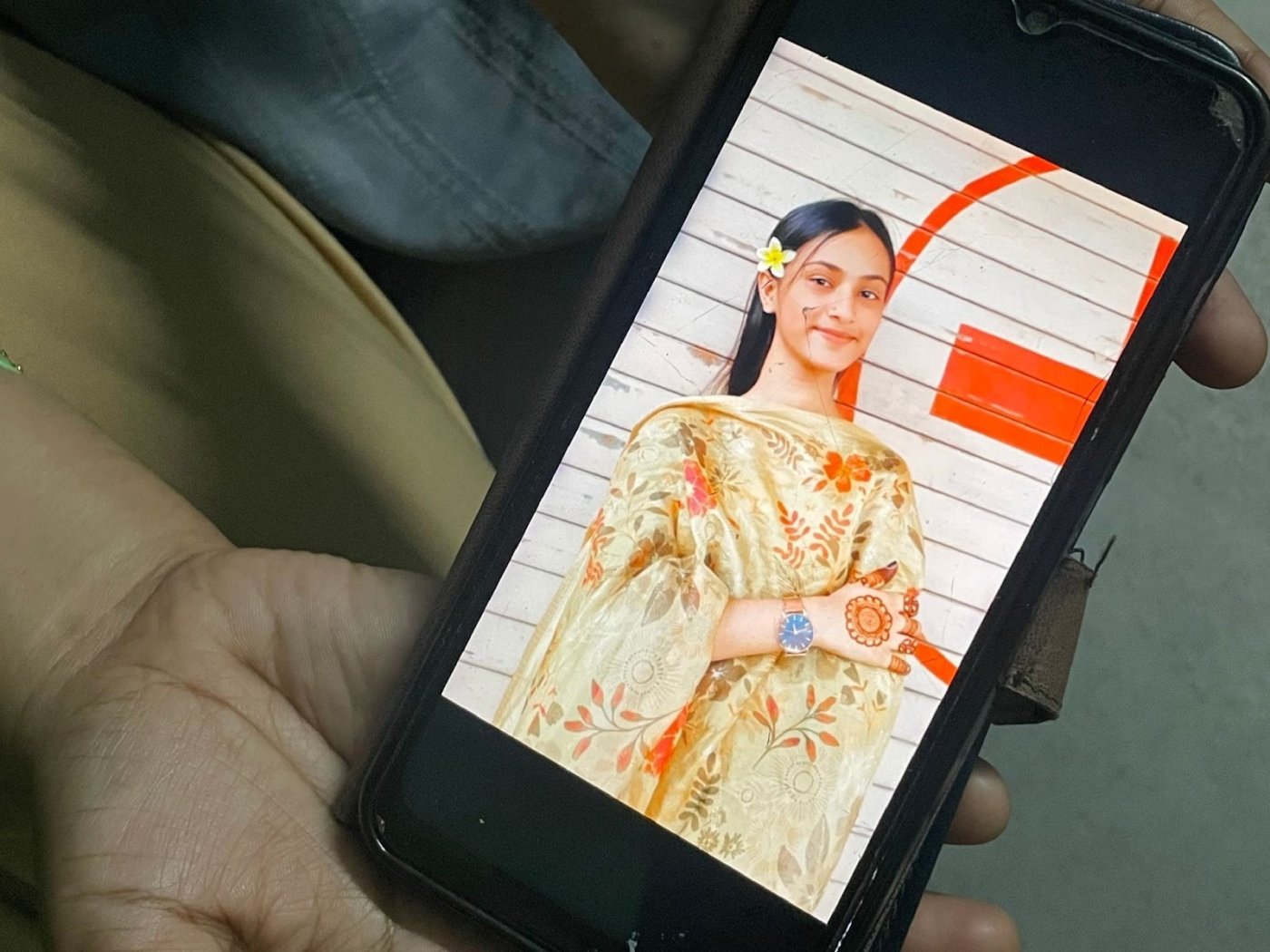
“I was scared that my child’s nationality would change if he was born in Bangladesh,” says a heavily pregnant Sunali Khatun, 25, who returned to India earlier this month after being deported to the neighbouring country in June.
Ms Khatun, a domestic worker from India’s eastern state of West Bengal, was detained in Delhi with her husband, Danish Sheikh, and their eight-year-old son, and deported to Bangladesh on suspicion of being illegal immigrants. Bangladeshi authorities later jailed the family for entering the country unlawfully.
Her deportation made national headlines and was stridently criticised by the West Bengal government, who accused the Bharatiya Janata Party-led federal government of deporting her without cause. She is among hundreds of people who have been detained and deported to Bangladesh in the past couple of months on suspicion of being illegal immigrants.
Delhi has not provided official data about these deportations, but top sources in the Bangladesh government had earlier told the BBC that in May alone, more than 1,200 people were “illegally pushed in”. The same month, the government-run All India Radio reported that about 700 people had been sent back from Delhi.
Crackdowns on alleged Bangladeshi immigrants are not new in India. The two countries share close cultural ties and a porous 4,096km (2,545-mile) border spanning five states. West Bengal, like others along the frontier, has long seen waves of migration as people sought work or fled religious persecution.
But rights activists say the recent deportations target Muslims who speak Bengali – the language spoken in both West Bengal and Bangladesh – and the exercise is being conducted without due process.
This story was originally published in bbc.com. Read the full story here.