
New Delhi: She no longer stands by a window.
She lives in ‘paradise on earth’ but can no longer see the emerald-green fields, the apple orchards, the rivulets, the tulips, the shikaras, the peaks or the valleys.
Insha Mushtaq made that mistake once.
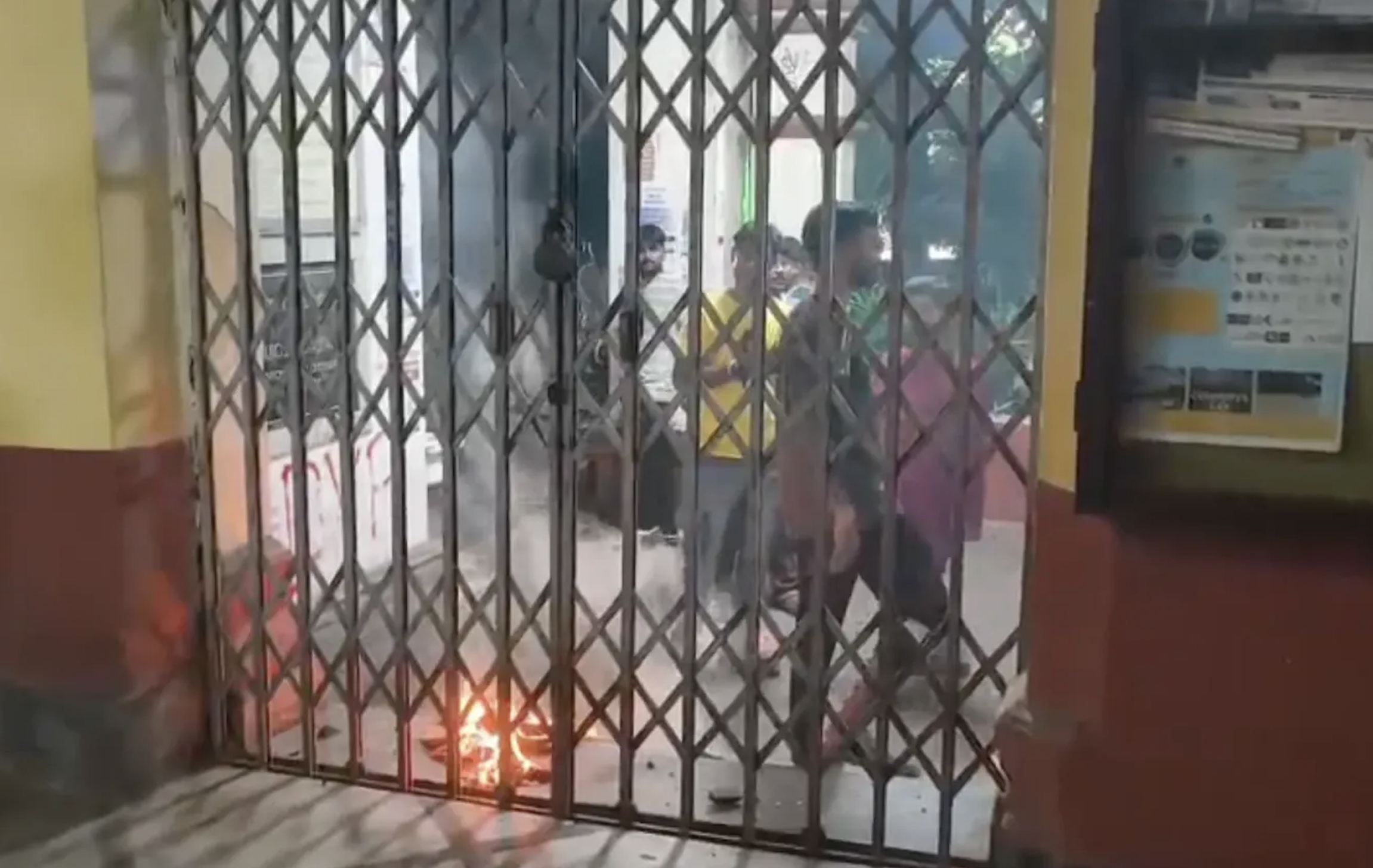
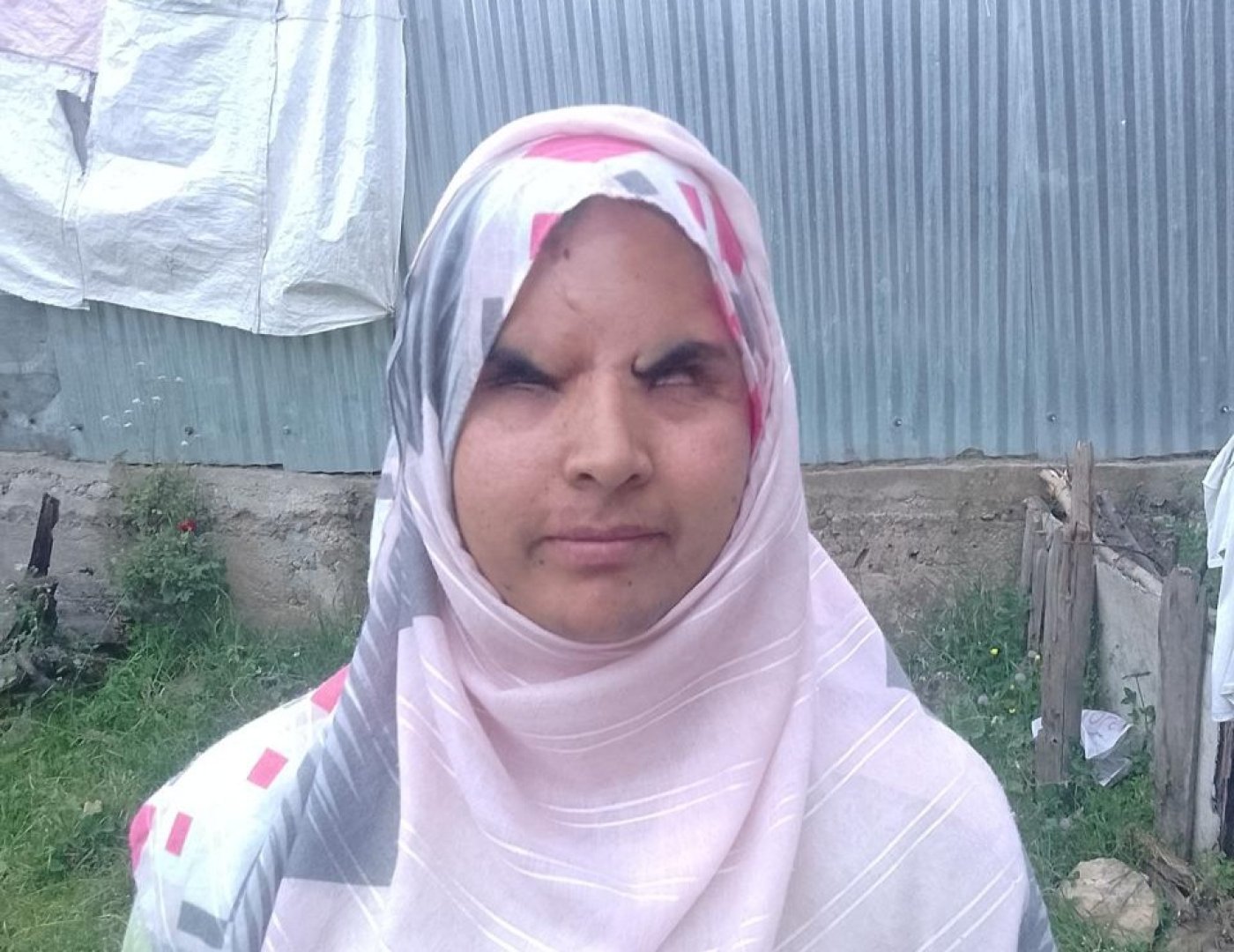
In 2016, when Kashmir was rocked by protests following the killing of Hizbul Mujahidin commander Burhan Wani, sheer curiosity made Insha open the kitchen window after she heard noise on the street. In an instant, she was hit by pellets—tiny iron balls that pierced her eyes, chest, throat, nose and jaw.
The 14-year-old student fell to the floor, screaming and bleeding.
Now 23, Insha became the face of the bloody protests that kept the Valley on the boil. She had taken a burst of pellet fire and her X-ray—a pockmarked film—went viral on social media. It came to symbolise the damage pellet guns—a “non-lethal” weapon that is really a pump-action shotgun used by security forces to quell protests—can inflict on an individual and on a society.
I have met and spoken to Insha at regular intervals over the years. That same year, she lost sight in both eyes even as doctors put her under the knife multiple times in a desperate effort to save some vision. She is one of countless Kashmiris who measure their lives through a single word: halaat.
The halaat, or ground reality, changes more often than the seasons in Jammu and Kashmir. It is also measured differently by different people.
The Age Of Chauhaan
If you are a non-combatant like Insha, halaat can take you from ordinary life into a world inhabited by darkness. If you are part of the government and its many agencies, the ground situation is measured by the number of tourists descending on jannat. It is measured by the tulips blooming in Kashmir’s gardens and by the myriad colours for which the Valley is famed.
This story was originally published in article-14.com. Read the full story here.